Recording Weather and Drift-Related Decisions for Agricultural Drone Work
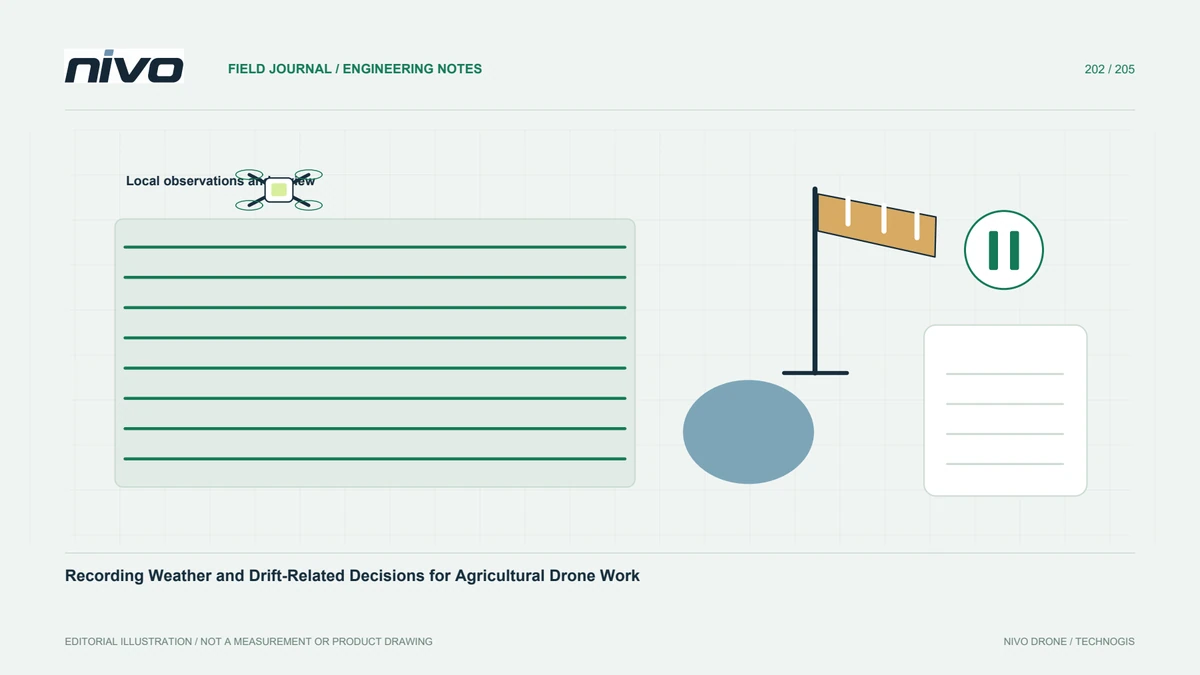
Create a task-linked weather review record with actual observations, current applicable instructions, decision responsibility, changes, and explicit reasons for reassessment.
Define two separate suitability questions
Conditions suitable for aircraft operation are not automatically suitable for an agricultural application. The responsible team must consider both the vehicle and the actual application task. EPA drift resources and university drone guidance explain why off-target movement deserves attention, but a general article cannot supply universal operating limits. Identify current product instructions, equipment guidance, site requirements, and qualified decision roles before the work plan is accepted.
Record observations at the relevant task
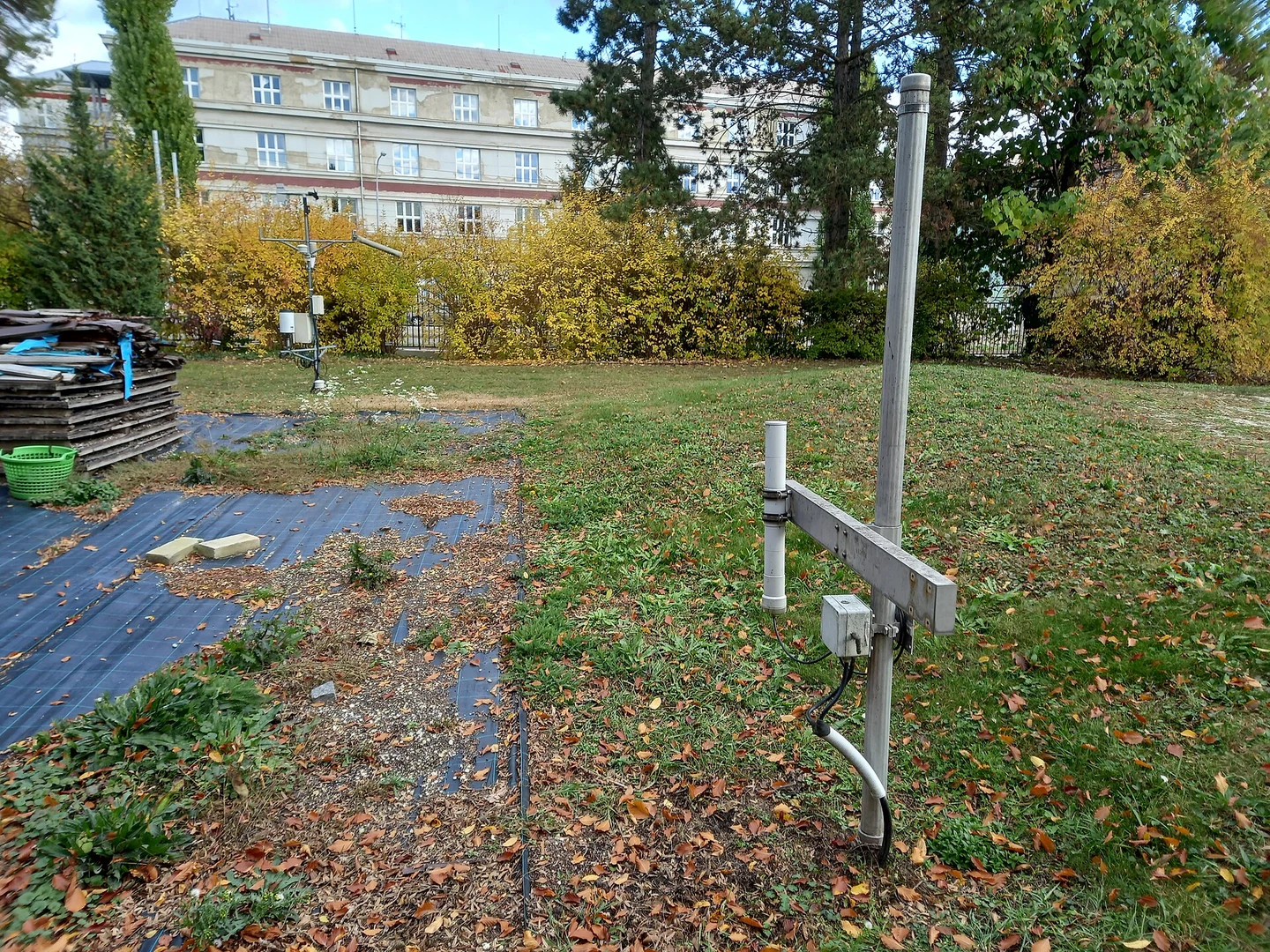
Use an appropriate local observation method and preserve time, location, instrument identity where relevant, and known limitations. A distant forecast is useful planning context but not a complete record of conditions at the field. Record changes rather than only the first value of the day. The technical team determines which environmental information the application requires. Avoid inventing missing readings later to make a completed form look consistent or assuming that one observation describes every parcel.
Connect surroundings with the review
Identify relevant neighboring areas and changing site circumstances through the responsible field assessment. Wind direction has practical meaning only in relation to the actual task and surroundings. Keep the map version and observations linked. This article does not prescribe buffer distances, release heights, or chemical choices; those depend on current applicable instructions and qualified review. A readable record should show what information was considered rather than provide an unsupported blanket statement that conditions were safe everywhere.
Keep the decision authority clear
Name who assesses the application requirements and who retains responsibility for aircraft positioning and operation. Record whether the task proceeds, pauses, is revised, or remains unresolved, with the reason. A checklist should support judgment rather than reduce it to a box ticked under schedule pressure. If necessary information is unavailable or instructions conflict, resolve that through the responsible process before proceeding instead of substituting a general internet threshold for the actual requirement.
Document changes during work
A weather review is not complete merely because it happened before launch. Define how the team recognizes and reports relevant changes, and retain reassessment decisions with task identity. Record interruptions and areas not completed without treating them as operational failures to hide. The information may explain differences between tasks or the need for further review. Do not infer acceptable application quality from a flight log alone, because aircraft movement does not establish droplet behavior or off-target outcomes.
Use the record for improvement
After the task, review whether observations, communication, and decision records were sufficient. Keep product and equipment identities tied to the applicable instructions used at the time. Discuss unresolved Agrios configuration questions with NiVO and the responsible technical advisers. The goal is a traceable decision process adapted to the actual work, not a universal weather recipe or a claim of legal compliance, zero drift, or effective application based solely on a completed weather worksheet.