VTOL
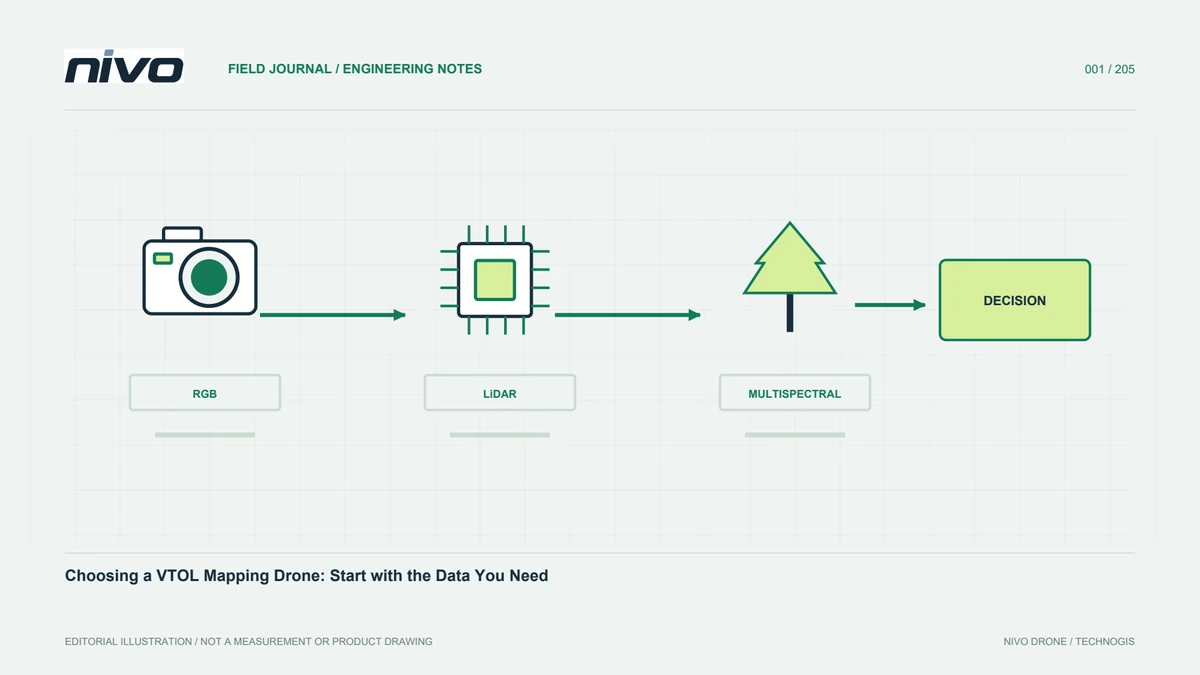
Choosing a VTOL Mapping Drone: Start with the Data You Need
Choose a VTOL drone by examining mapping outputs, site conditions, payload integration, GNSS workflows, ground logistics, and evidence from acceptance testing.
6 min readRead article

Practical guides to VTOL aircraft, drone technology, geospatial workflows, payloads and inspection.
Choose a VTOL drone by examining mapping outputs, site conditions, payload integration, GNSS workflows, ground logistics, and evidence from acceptance testing.
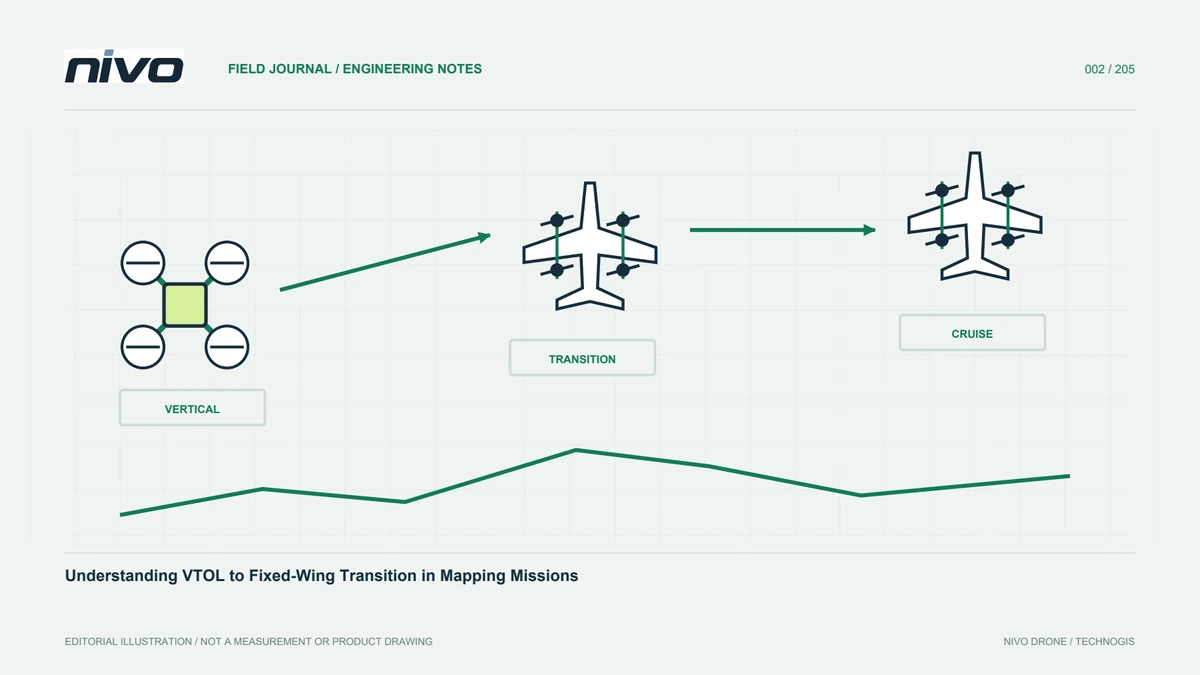
Understand the transition phase of a VTOL aircraft, the difference between airspeed and groundspeed, and the planning context needed for repeatable mapping.
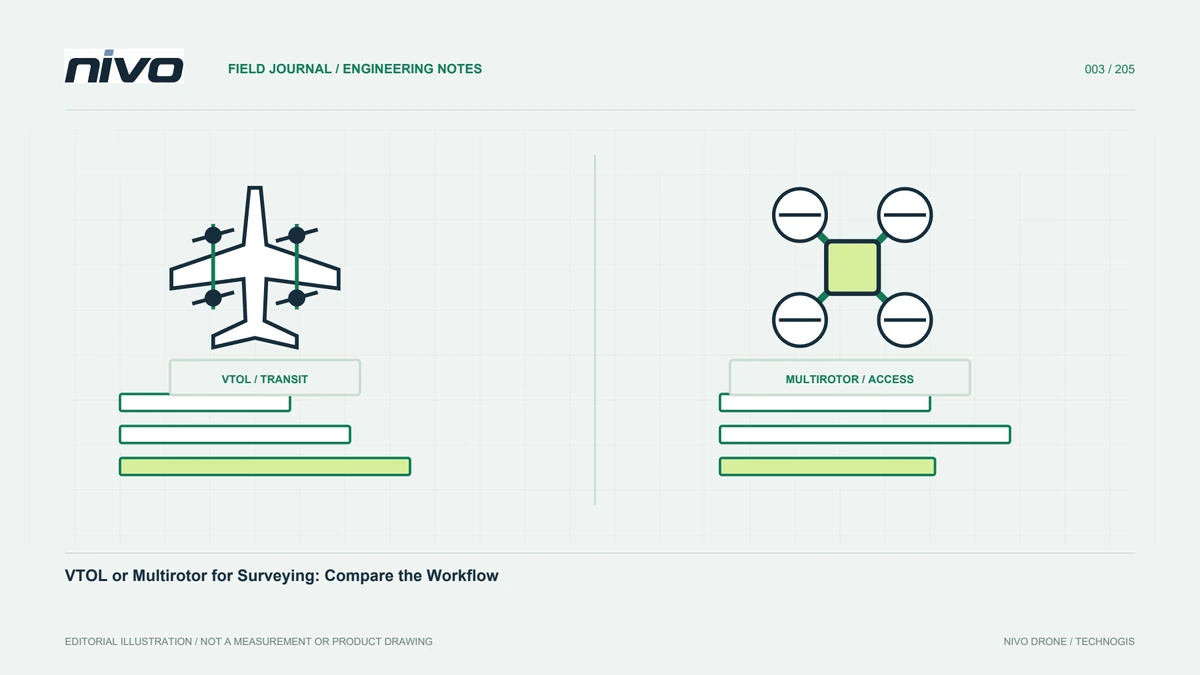
Compare VTOL and multirotor surveying through site shape, image requirements, operating access, daily logistics, repeated missions, and accepted data quality.
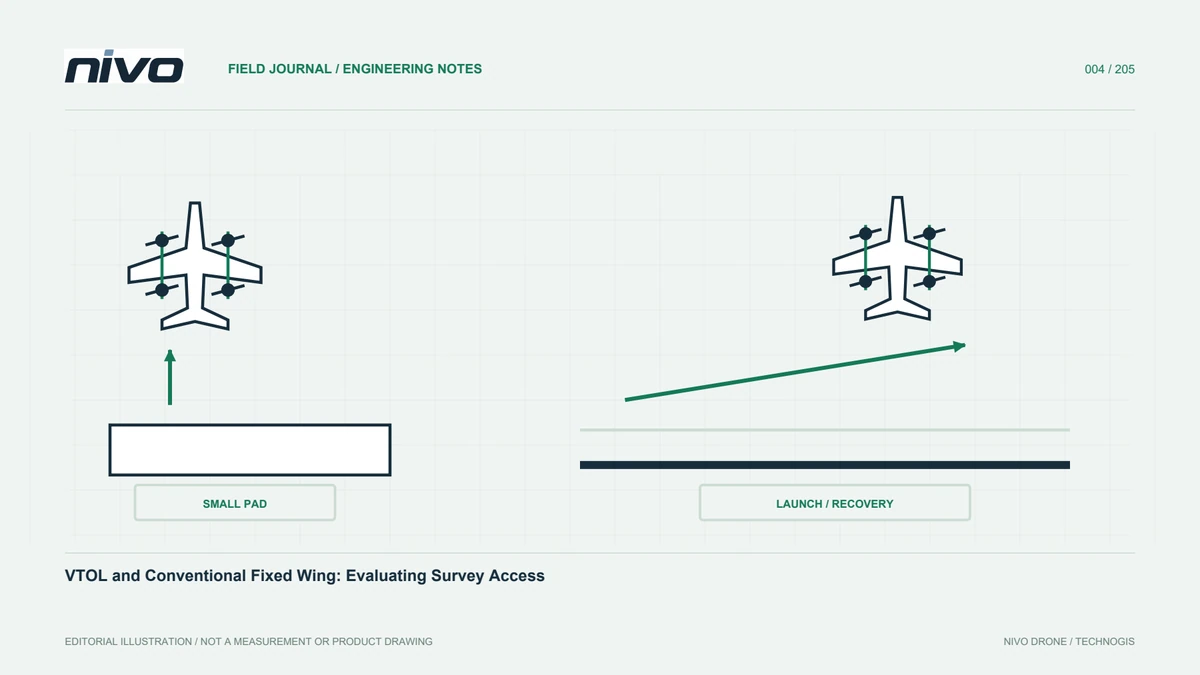
Compare VTOL and conventional fixed-wing workflows through departure methods, aircraft recovery, transport, sensor requirements, and realistic acceptance tests.
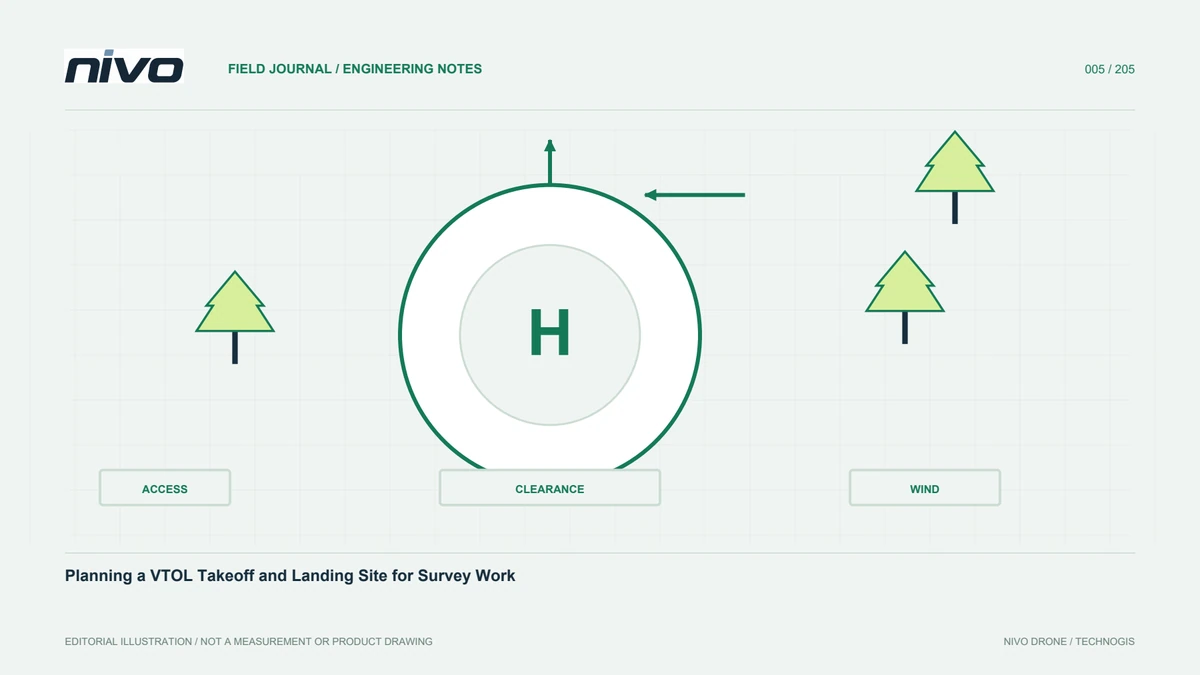
Review VTOL site access, obstacles, ground-team layout, changing conditions, alternatives, and documentation before approving a professional mapping mission.
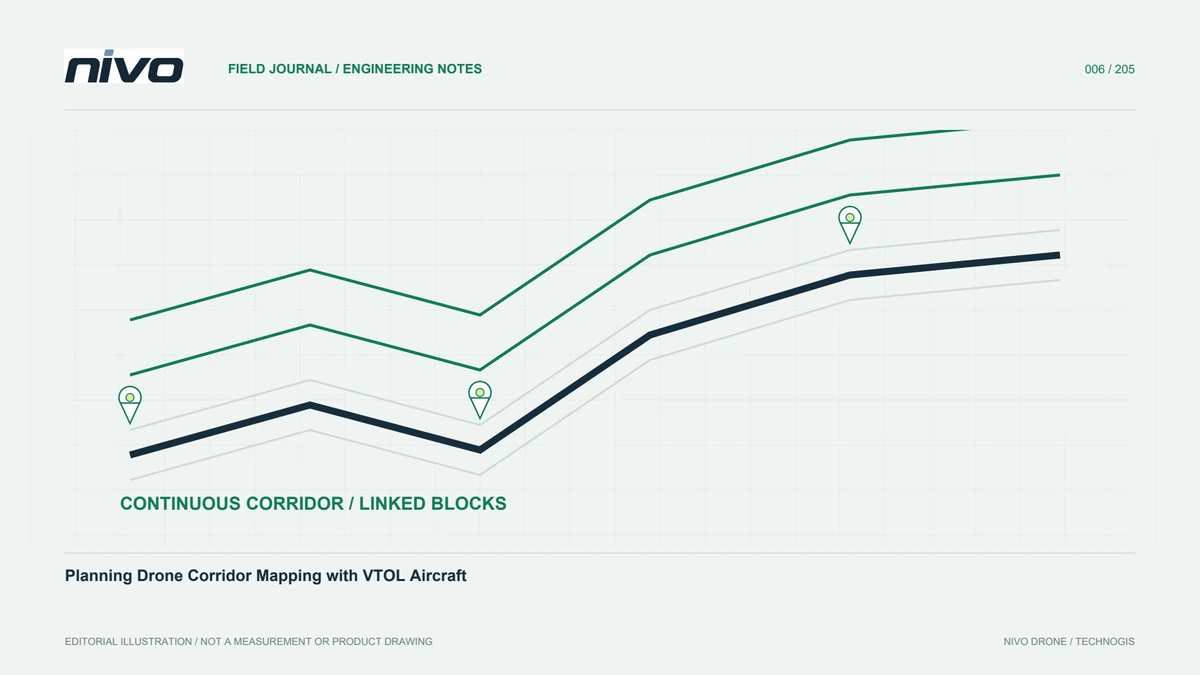
Plan corridor surveys through acquisition width, segmentation, terrain review, field access, overlap, independent checks, and the continuity of delivered geospatial data.
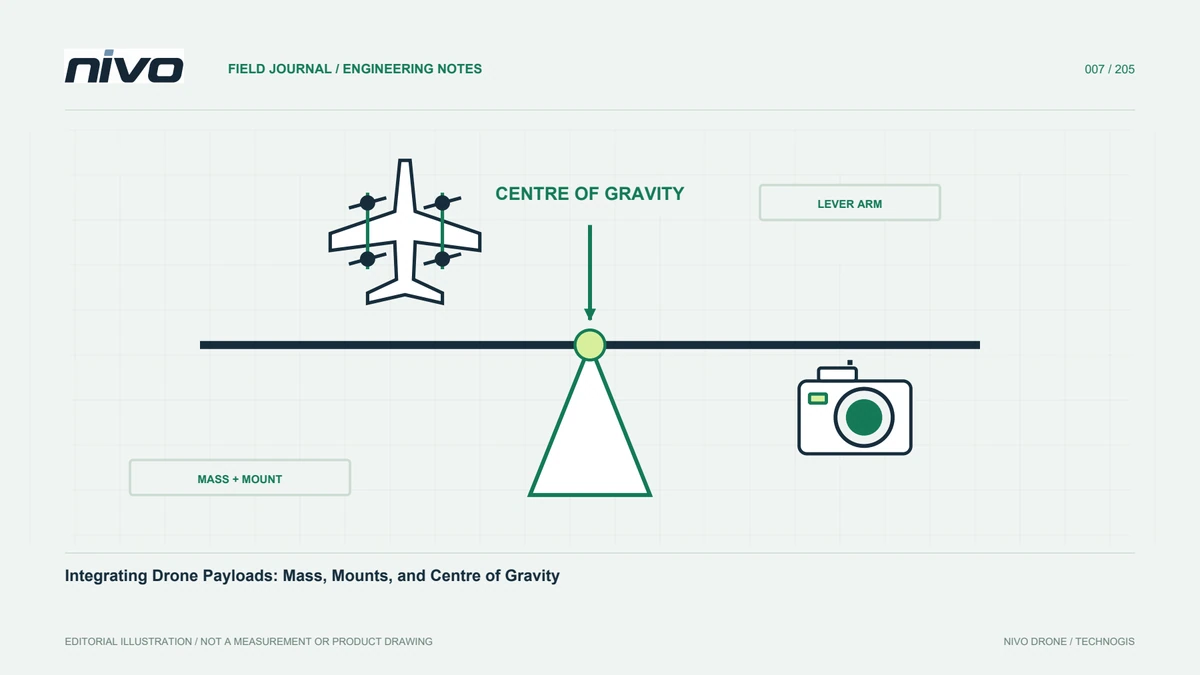
Payload integration involves more than lifting capacity. Review centre of gravity, mounts, power, vibration, wiring, timing, and configuration acceptance evidence.
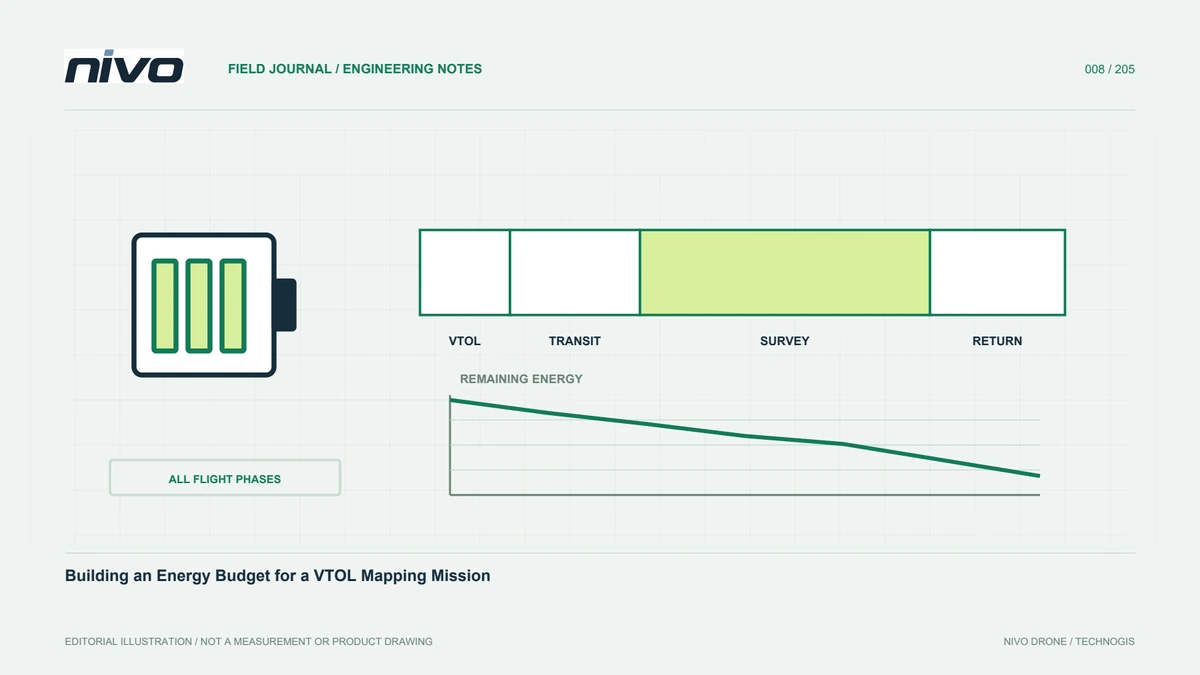
Assess VTOL mission energy through flight phases, payload configuration, travel to the survey block, turns, return requirements, and evidence from flight records.
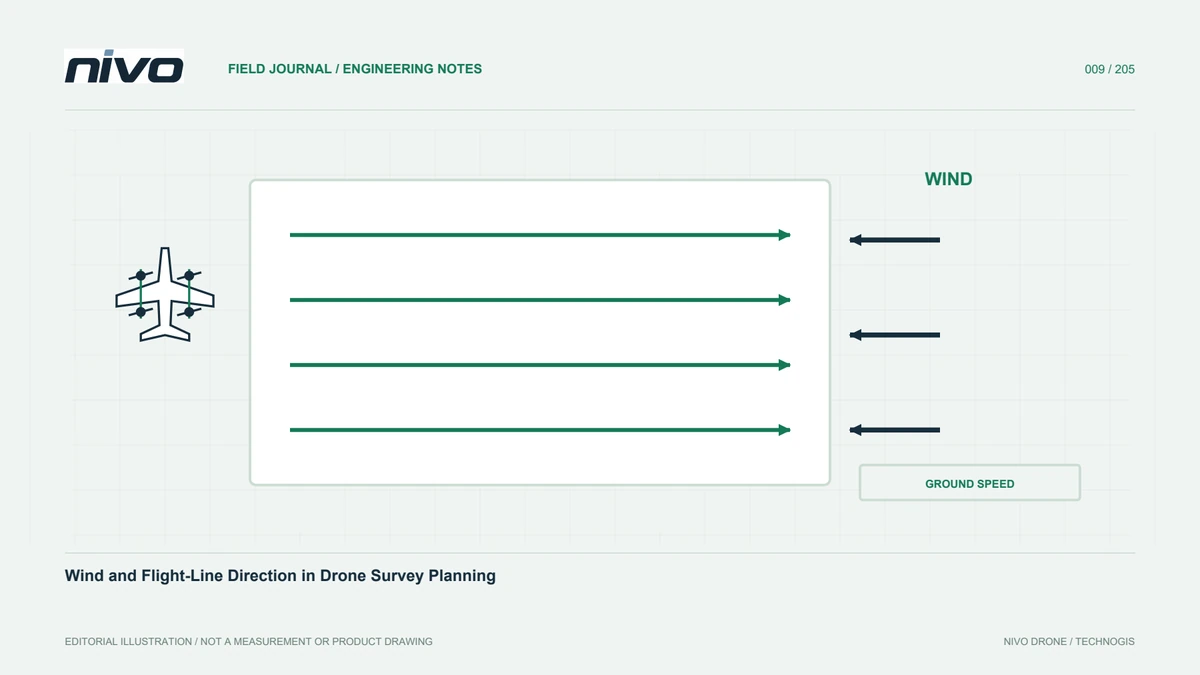
Connect wind observations with groundspeed, camera triggering, site geometry, mission travel, and data checks when planning VTOL survey acquisition lines.
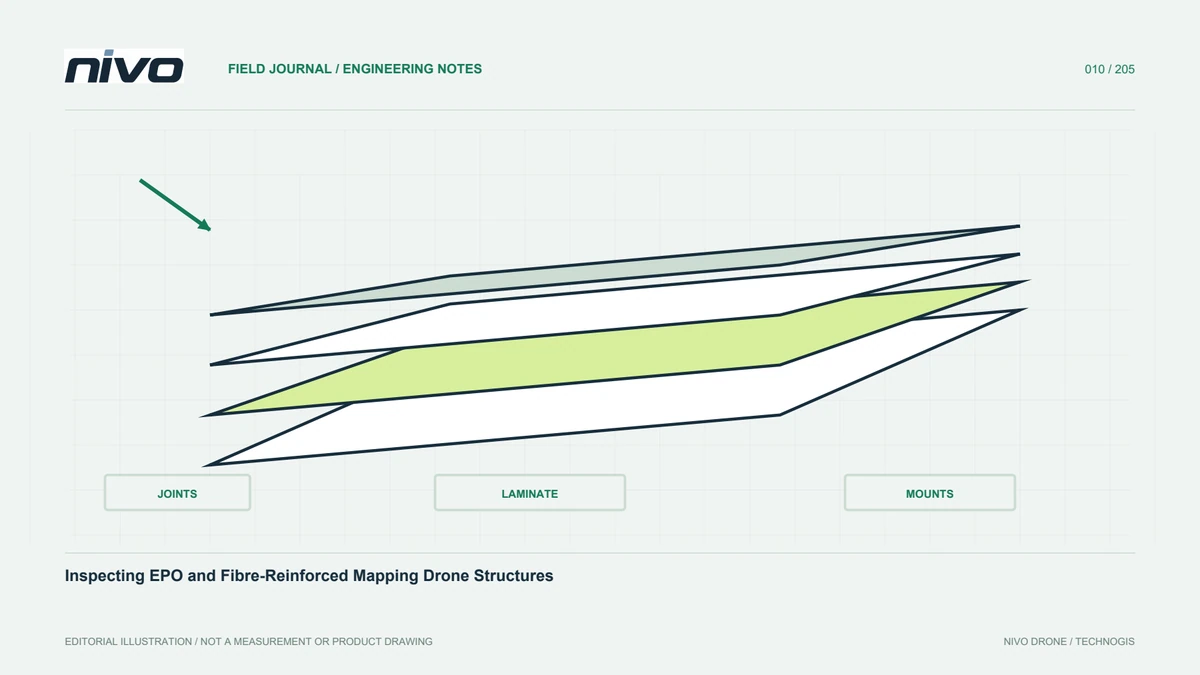
Organise inspection of EPO and fibre-reinforced structures through material identity, observed changes, joints, mounts, transport records, and approved maintenance decisions.
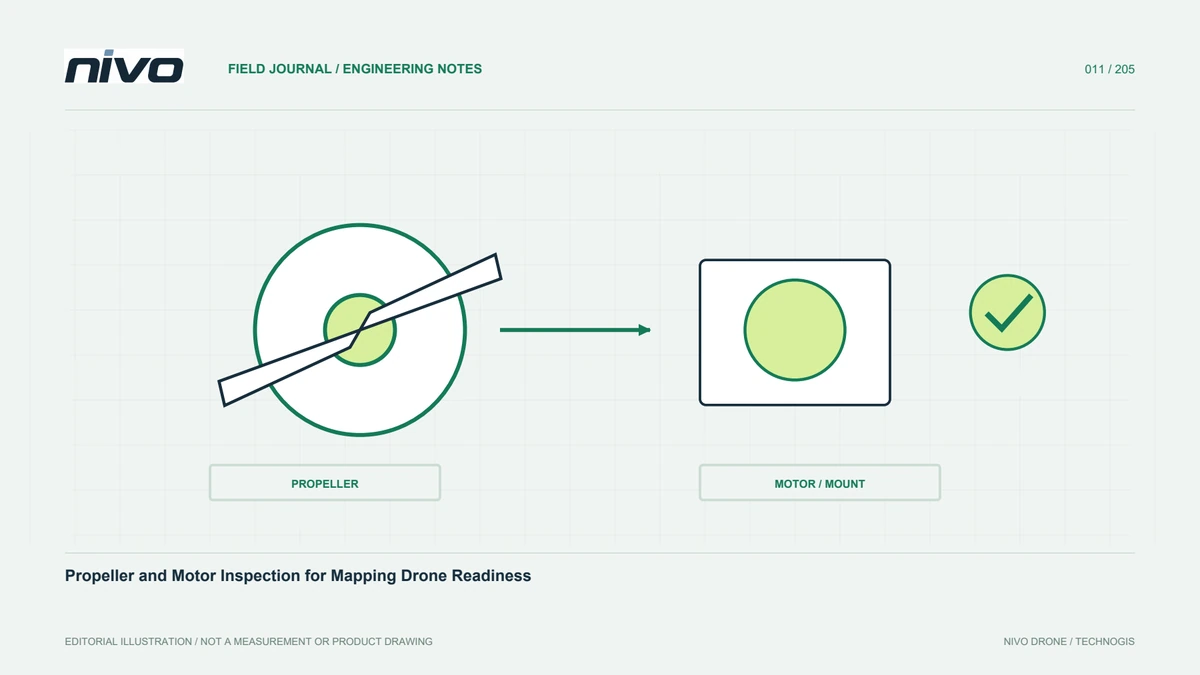
Plan propeller and motor inspection around component identity, approved checks, mounts, service history, spare-part status, and documented technical follow-up.
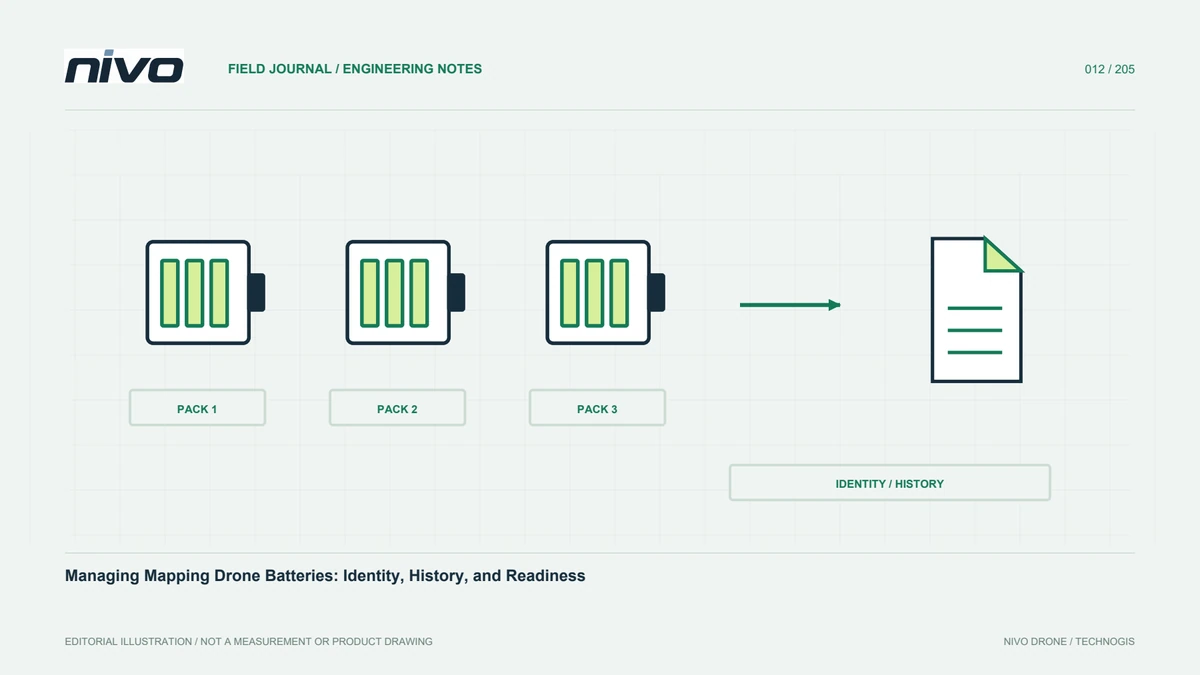
Build battery management around individual identities, manufacturer procedures, mission history, charging records, transport, storage, and clear technical status.