Inspecting EPO and Fibre-Reinforced Mapping Drone Structures
Organise inspection of EPO and fibre-reinforced structures through material identity, observed changes, joints, mounts, transport records, and approved maintenance decisions.
Identify the materials on each model
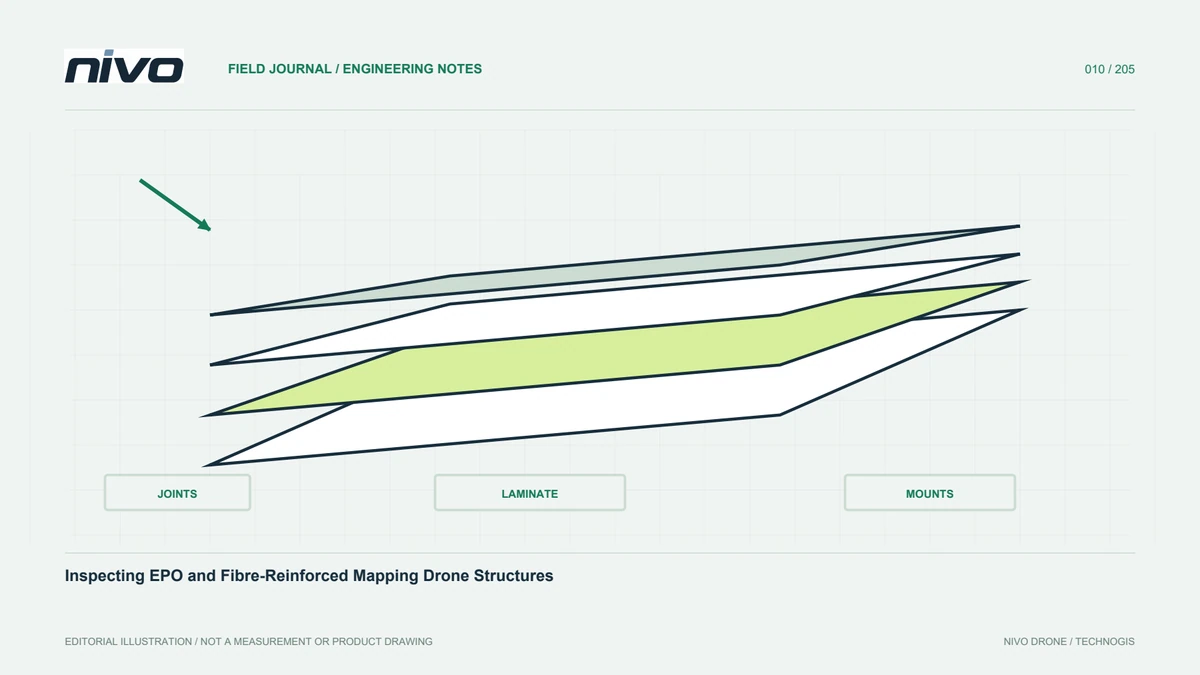
An aircraft family does not necessarily use identical materials in every model or part. Structures may combine materials for shape, stiffness, and installation needs. Read the NiVO brochure for the actual model rather than transferring a specification across the series. Identify fuselage, wings, joints, motor supports, and payload areas before writing a checklist. Material names help describe what is being inspected; they do not prove that impacts are harmless or that every damaged part can use the same repair method.
Separate appearance from function
A visible mark is not automatically a structural defect, but cosmetic appearance alone cannot establish suitability. Record its location, form, and relationship to joints or load-bearing parts. A clean-looking surface does not prove the internal condition. Follow manufacturer inspection procedures and seek authorised assessment for unexplained findings. Earlier photographs can support comparison. Avoid deciding from one image without scale or event history. Useful records describe both the observation and what remains unknown, rather than prematurely assigning a cause or declaring the aircraft ready.
Review repeatedly assembled joints
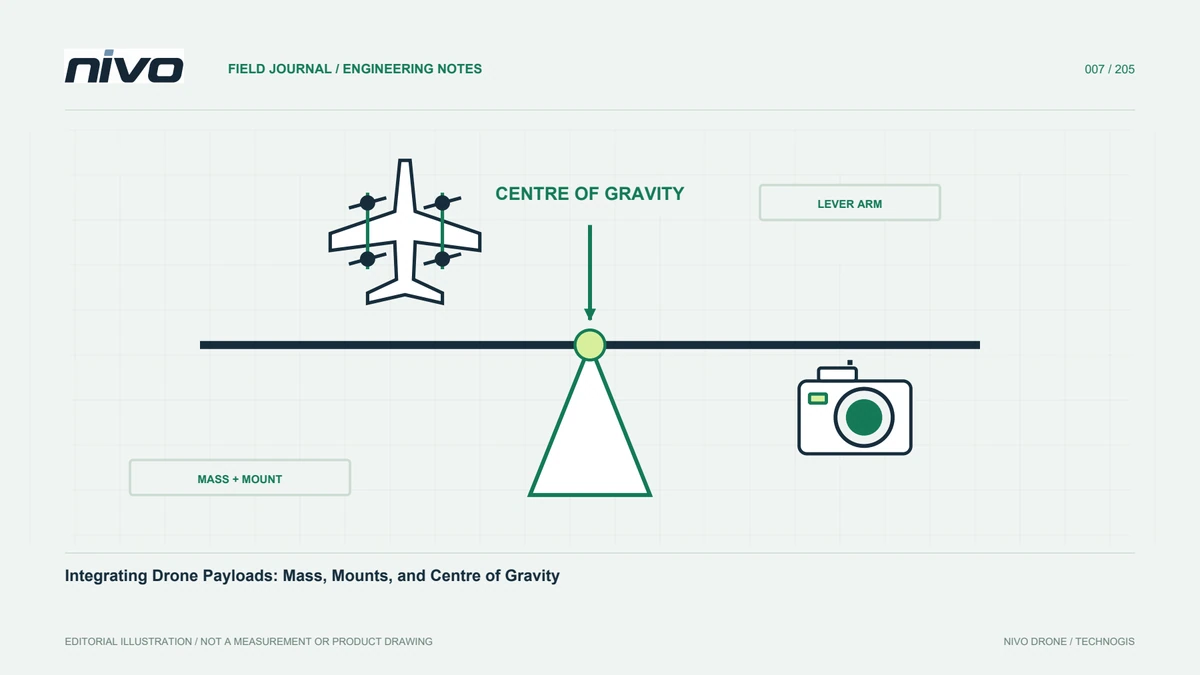
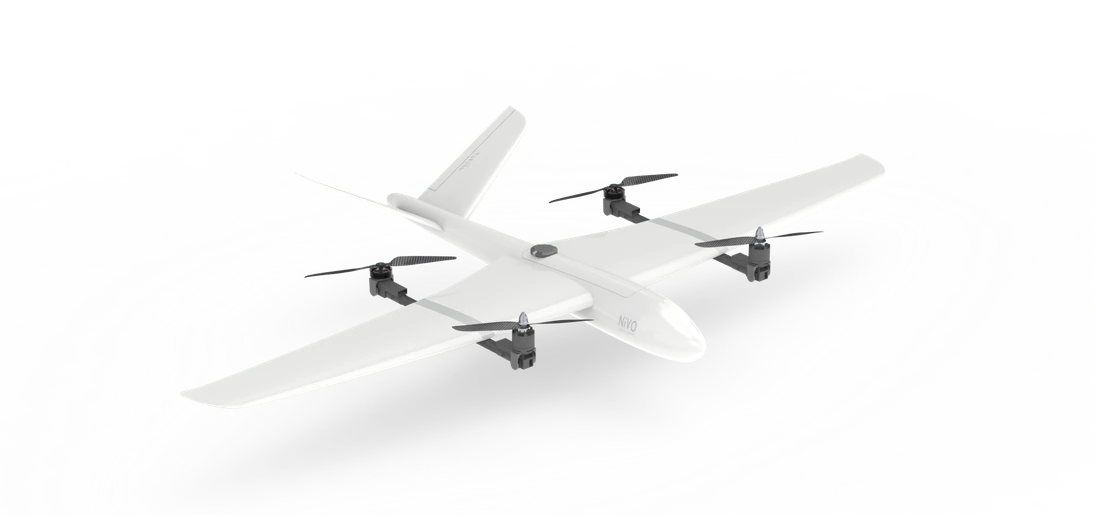
Repeated assembly makes joint condition an important maintenance topic. Understand locking mechanisms, orientation marks, and reportable changes. Operators should distinguish correct installation from parts merely appearing connected. Do not add fasteners or modify mounting holes as an improvised field solution. This may alter loads and relationships between components. Record replacements against the correct aircraft. When parts move during transport or between similar units, their history must remain traceable so that the next inspection has the relevant context.
Pay attention to motor and payload mounts
Mounts connect important equipment to the structure. Review position changes, visible cracking, joints, and locking using the appropriate documentation. Link vibration or impact reports to an identifiable location. Payload orientation can matter to data quality as well as mechanical condition. If images change, the sensor is not automatically the cause. Mount and structure records help direct investigation before replacement or adjustment. They also establish whether the configuration still matches the accepted arrangement or has changed in a way requiring technical assessment.
Use approved cleaning methods
Dirt can obstruct inspection, but cleaning needs to suit the material and component. Follow manufacturer instructions for products and methods. A liquid suitable for a hard part may not suit foam, reinforcement, adhesive, or a sensor window. Protect connectors and electronics as specified. Cleaning should improve visibility without creating new damage. Record unusual exposure for technical review. A general article cannot specify chemicals, heat treatment, or repairs for every structure. Any intervention must be based on the actual design and approved maintenance process.
Protect the airframe outside flight
Vehicle storage, pressure from other equipment, and handling can cause changes discovered only at the next assembly. Use the approved transport system and handling method. Avoid unplanned pressure on wings, tips, or protruding parts. Provide organised spaces rather than relying on improvised stacking. Follow manufacturer storage requirements. Inspection at receipt and removal helps distinguish operational findings from possible transport damage. This protects the record as well as the aircraft, because staff can establish when a change was first observed.
Do not treat repair as a cosmetic decision
A change after an impact or unusual event needs technical assessment. Covering a mark or restoring the outline does not prove the structure has recovered. Adhesive, reinforcement, and repair methods require knowledge of the design and materials. Review effects on mass and configuration. Keep before-work evidence, approval, and post-work checks. Traceable maintenance explains not only that a repair occurred but why it was accepted. This gives subsequent operators a meaningful basis for readiness decisions rather than a visually tidy part with an unknown history.
Keep consistent condition records
Use a stable division of aircraft sections, with unit identity, date, inspector, and informative photographs. Distinguish new findings, monitored findings, and approved completed work. Avoid vague descriptions such as slightly damaged without location or context. Clear records help technicians decide whether additional inspection is needed. Across a fleet, consistent forms can reveal repeated transport or handling problems. That knowledge can improve the underlying process instead of merely increasing inspection frequency while the same preventable cause remains unaddressed.
Link maintenance with mission readiness
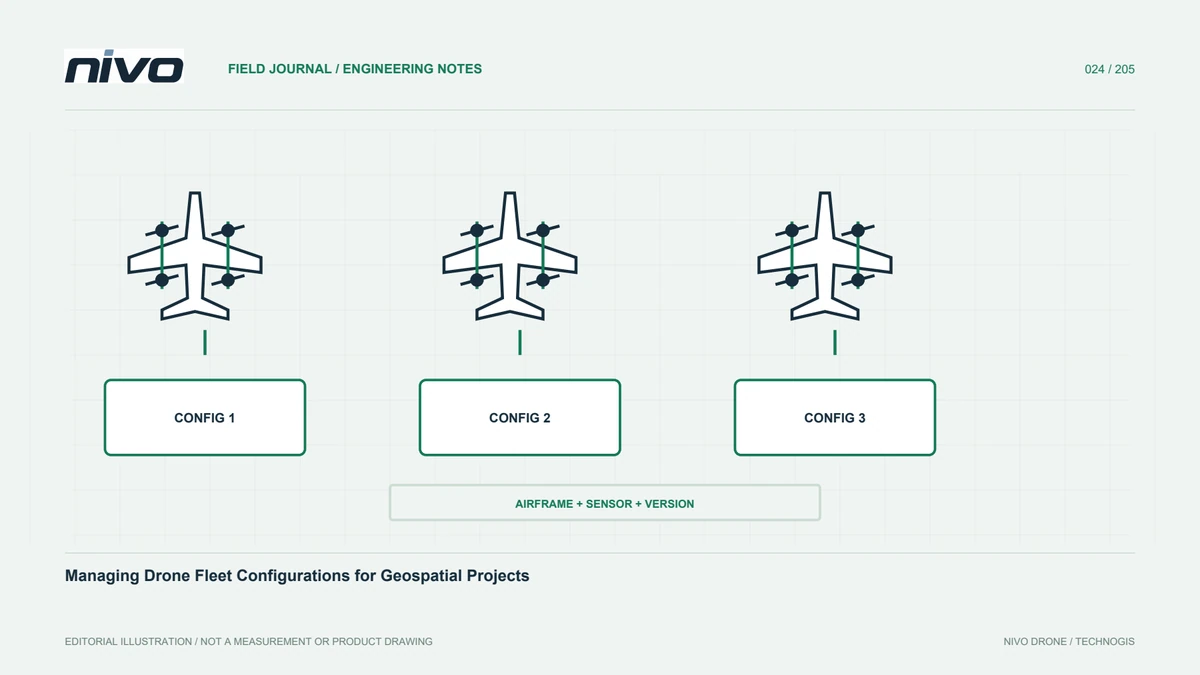
Before assignment, operators must know the state of findings and maintenance. A pending review is not completed simply because the aircraft has arrived at a project. Define who inspects, who authorises action, and what confirms acceptance. If work changes parts, mass, or arrangement, assess the relationship with flight and payload configuration. Structural readiness is the result of material identity, history, manufacturer procedure, and accountable inspection. Connecting workshop records with field records prevents those two descriptions of the same aircraft from drifting apart.
Illustrative case: documenting a structural finding after transport
Imagine a hypothetical pre-project inspection in which a team notices a changed area near an airframe joint after unpacking. The operator does not label it harmless because the visible mark appears small. The equipment lead identifies the model and relevant material documentation, then records the location with photographs and the available transport history. The finding is separated from cosmetic observations that have already been assessed. No adhesive, reinforcement, or surface treatment is improvised to make the aircraft look ready. The designated technical person reviews the applicable inspection and maintenance process, including whether the joint and nearby mount need further assessment. If approved work changes the arrangement, the configuration record and required acceptance checks are updated. The project manager plans from the documented status rather than treating arrival at the site as proof of serviceability. This scenario is illustrative and offers no repair instruction. Its outcome is a traceable decision connecting the observed condition, responsible assessment, approved action, and readiness evidence. A later operator can therefore understand what was found and why the unit was accepted, instead of receiving a visually tidy structure whose previous condition and maintenance reasoning are unknown.
Approved repair and component replacement may be different legitimate outcomes of the technical assessment; neither is selected merely to restore appearance quickly. The decision record identifies the chosen action, responsible authority, and the verification needed afterward. If the configuration changes, that consequence is passed to the operator rather than left in a workshop note. The handoff also retains the original observation, allowing later comparison if a related question emerges. Acceptance is therefore a documented link between condition and readiness, not a statement that a particular material can always be restored by a general repair technique.