VTOL
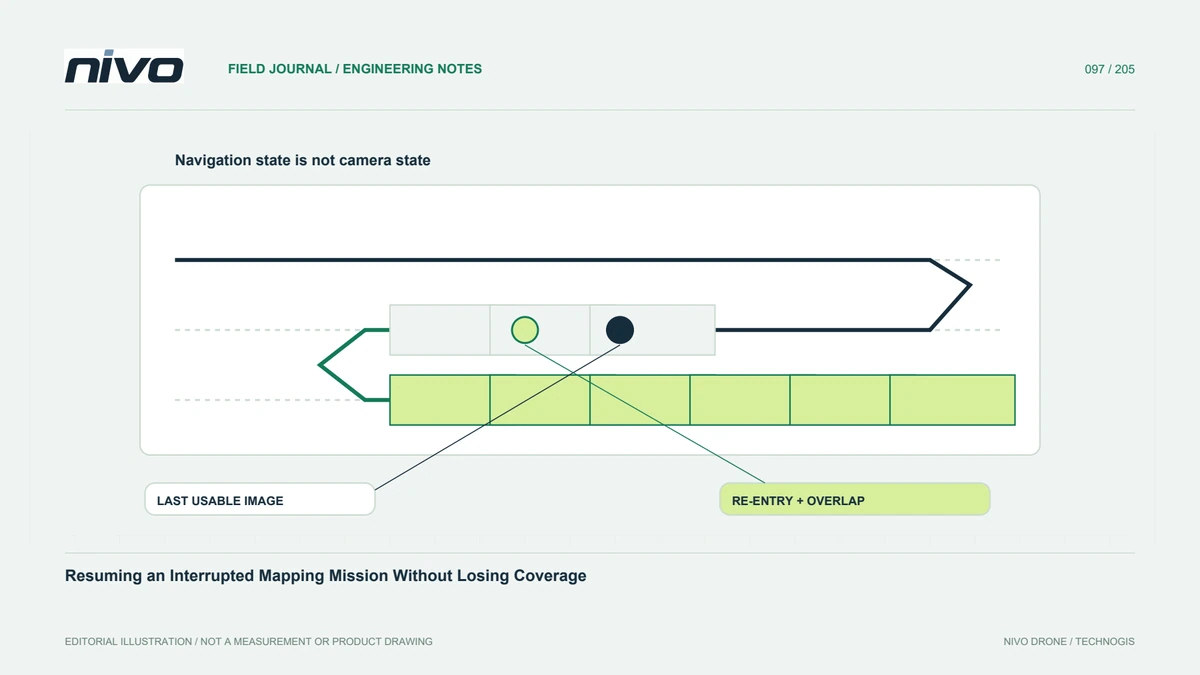
Resuming an Interrupted Mapping Mission Without Losing Coverage
Connect mission state, supported resume behavior, camera events, flight geometry, and source-image checks before accepting continuity after an interruption.
3 min readRead article

Practical guides to VTOL aircraft, drone technology, geospatial workflows, payloads and inspection.
Connect mission state, supported resume behavior, camera events, flight geometry, and source-image checks before accepting continuity after an interruption.
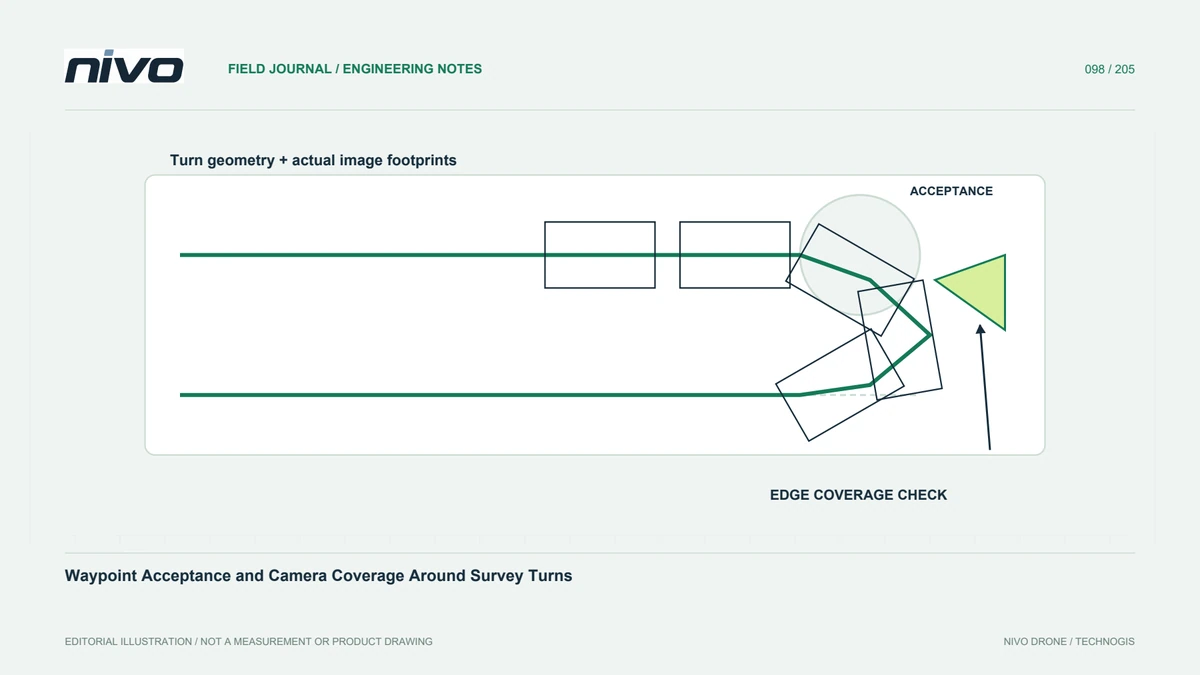
Separate waypoint completion from image coverage by examining navigation behavior, camera geometry, trigger timing, and usable observations at survey-line ends.
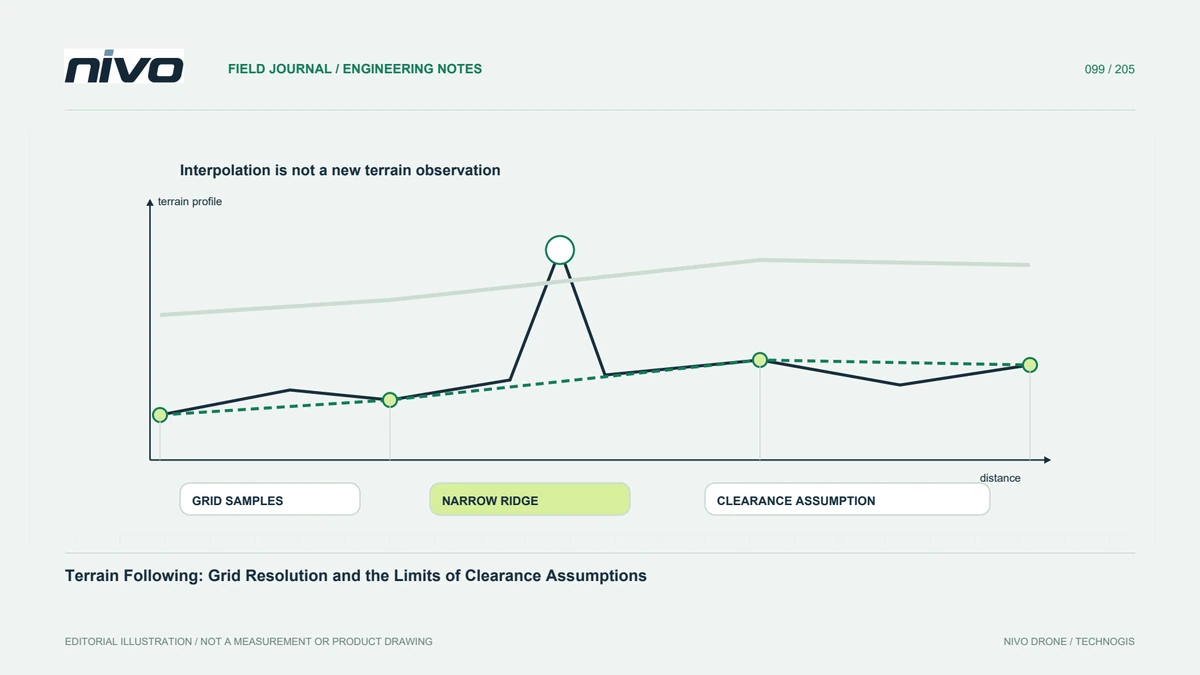
Evaluate terrain-dependent planning through elevation meaning, grid detail, narrow landforms, data uncertainty, and the actual aircraft's supported behavior.
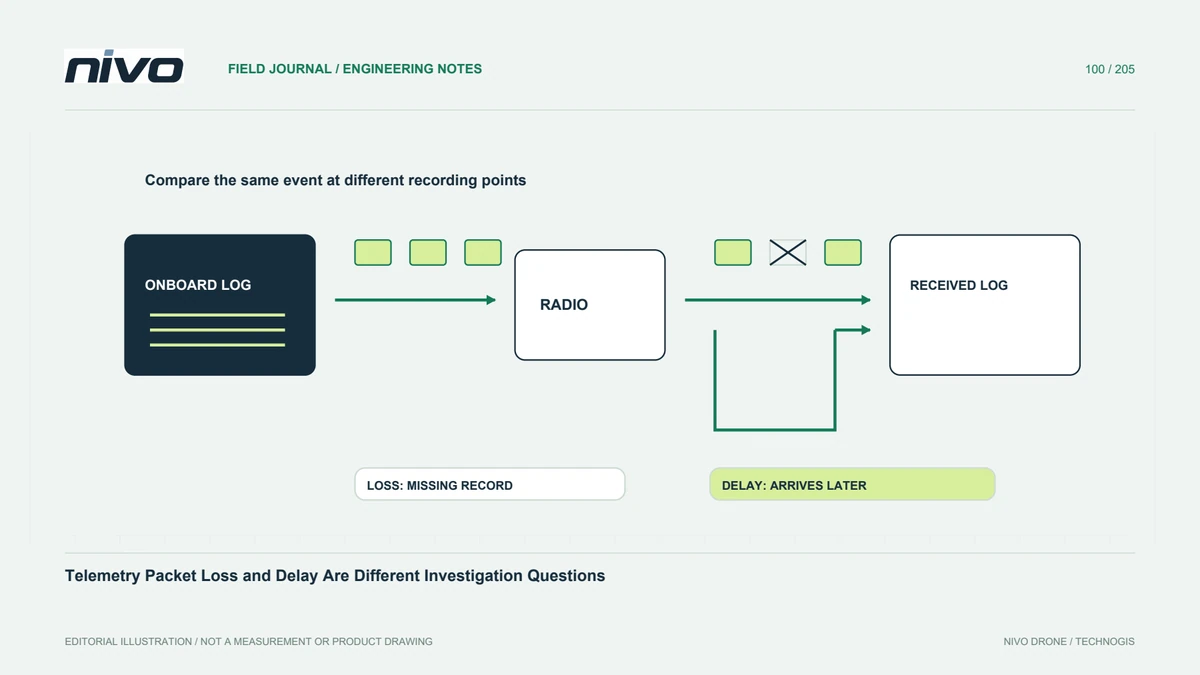
Distinguish missing messages, delayed displays, recording gaps, and protocol counters before attributing a telemetry symptom to radio range or hardware failure.
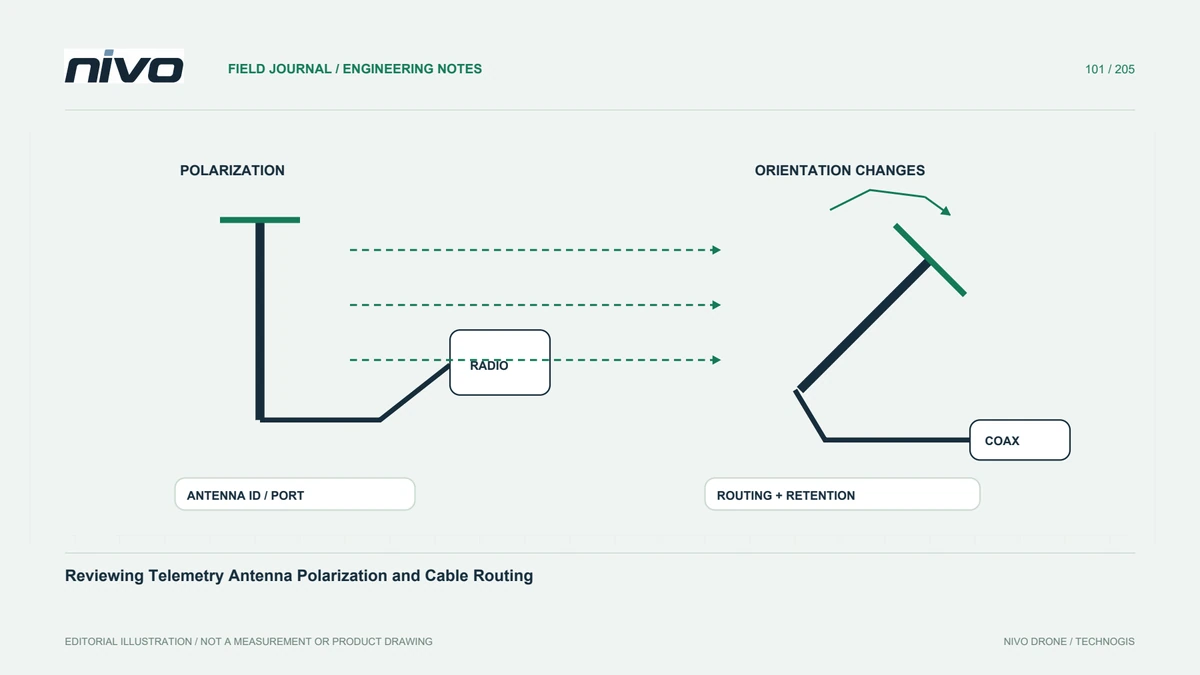
Investigate orientation-related telemetry changes through antenna type, installed geometry, diversity configuration, cable condition, and comparable observations.
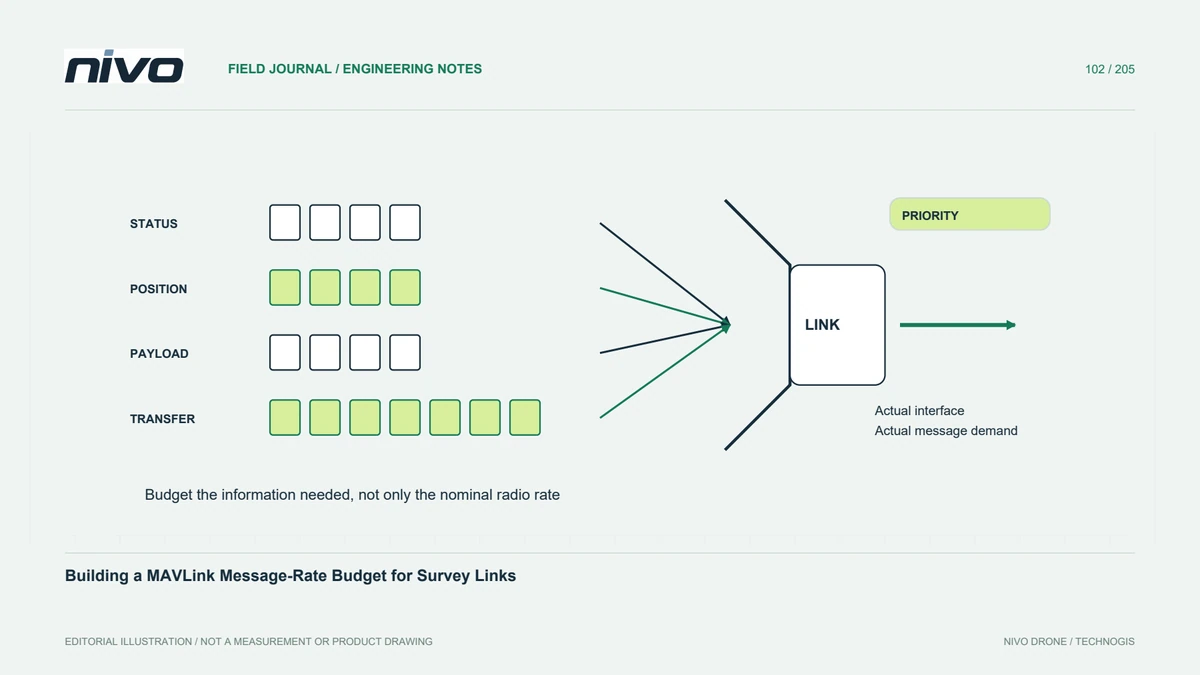
Prioritize telemetry needs by message purpose, rate, traffic overhead, competing transfers, and verified behavior on the actual survey communication path.
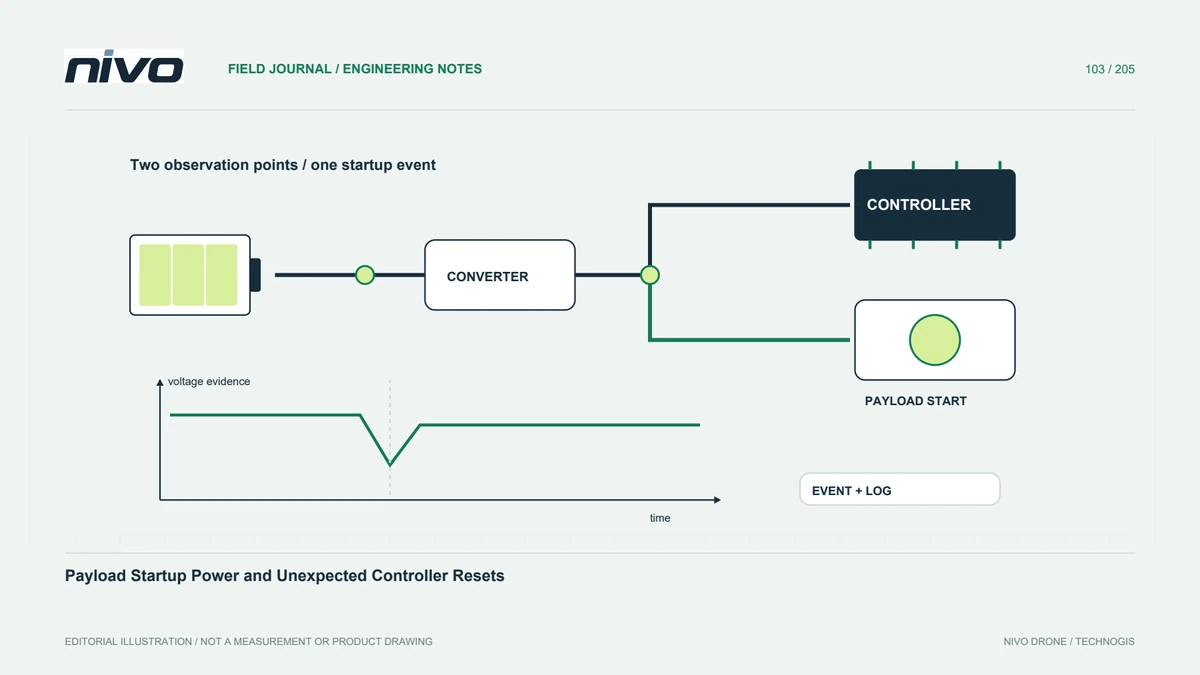
Investigate startup-related resets through supply topology, timing, monitor locations, device requirements, and controlled verification of the installed power system.
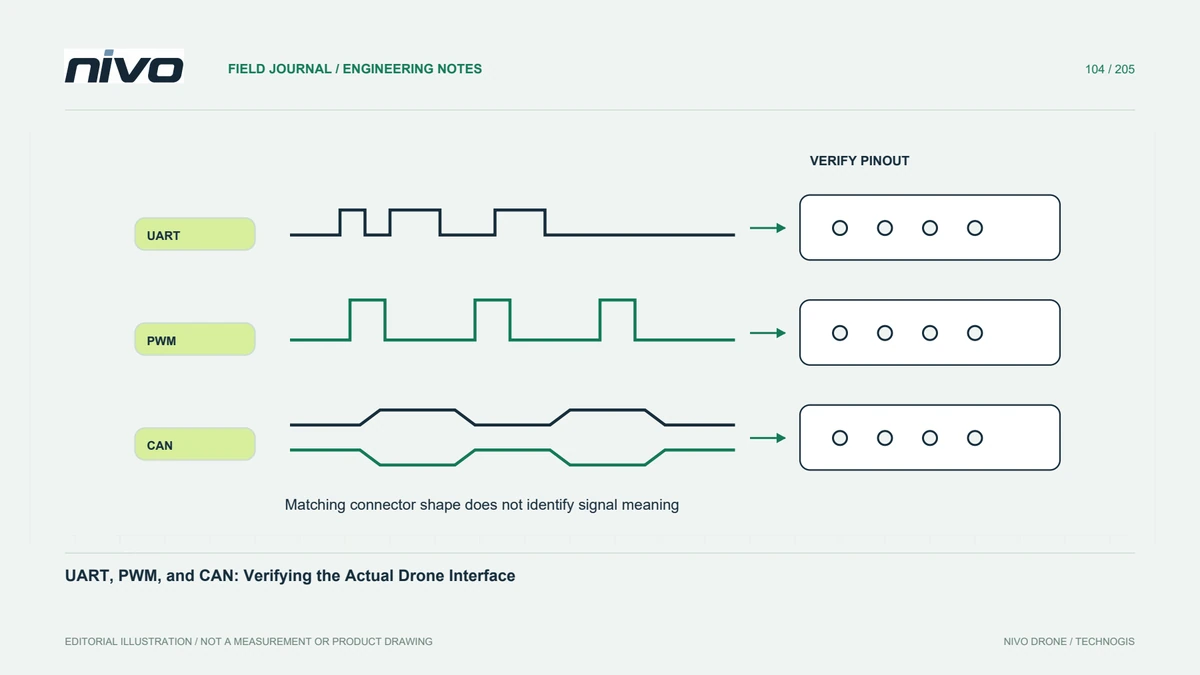
Separate connector shape, electrical compatibility, signal meaning, protocol support, and application behavior when integrating drone sensors and payloads.
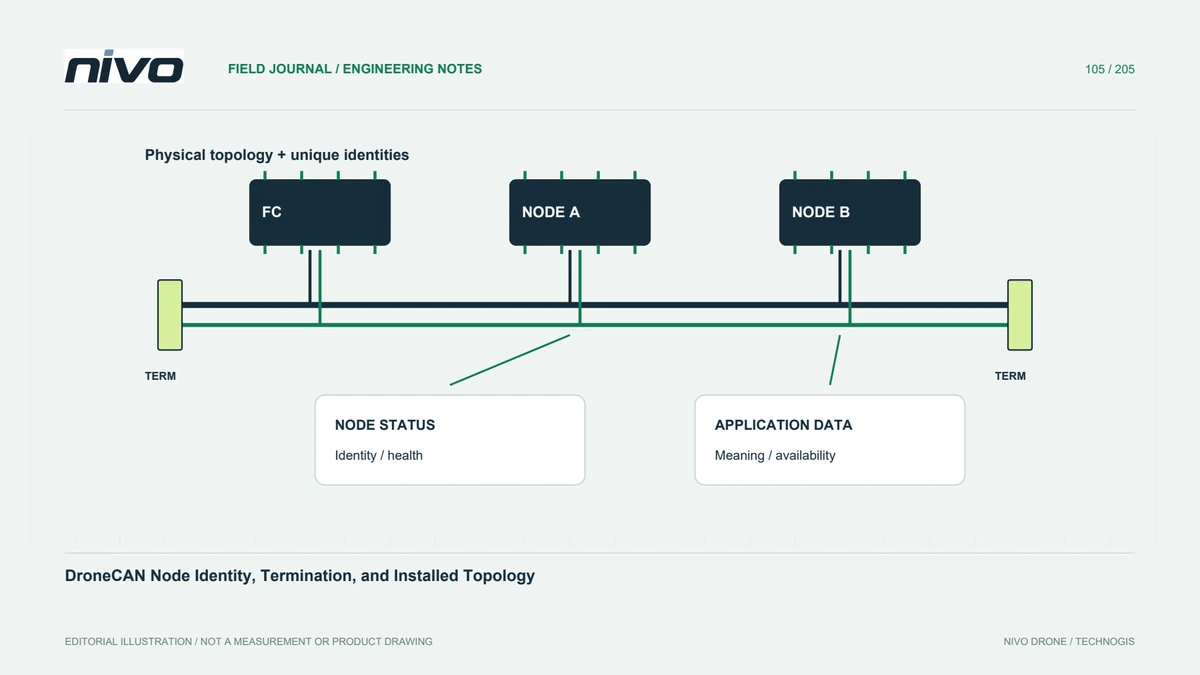
Investigate DroneCAN installations through node identities, status evidence, physical topology, termination references, and documented device-specific support.
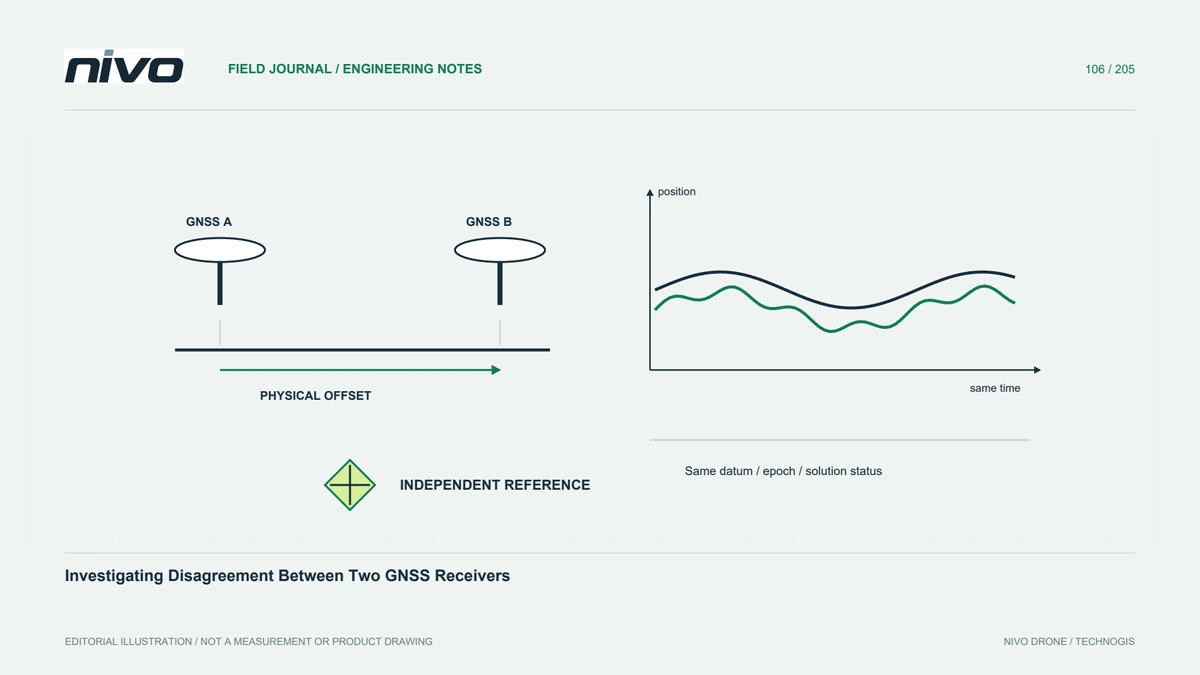
Compare two GNSS sources through physical identity, timestamps, antenna locations, reference definitions, solution states, and the installed selection logic.
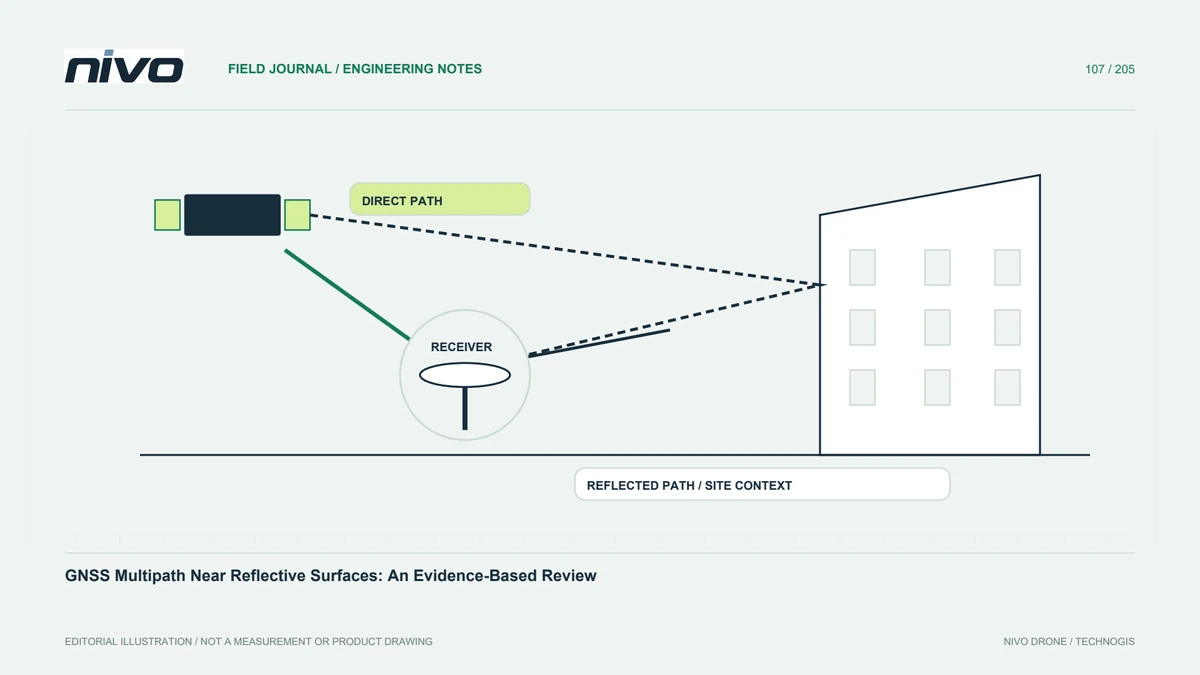
Assess possible reflected-signal effects using antenna surroundings, repeatable observations, receiver evidence, and independent positional checks.
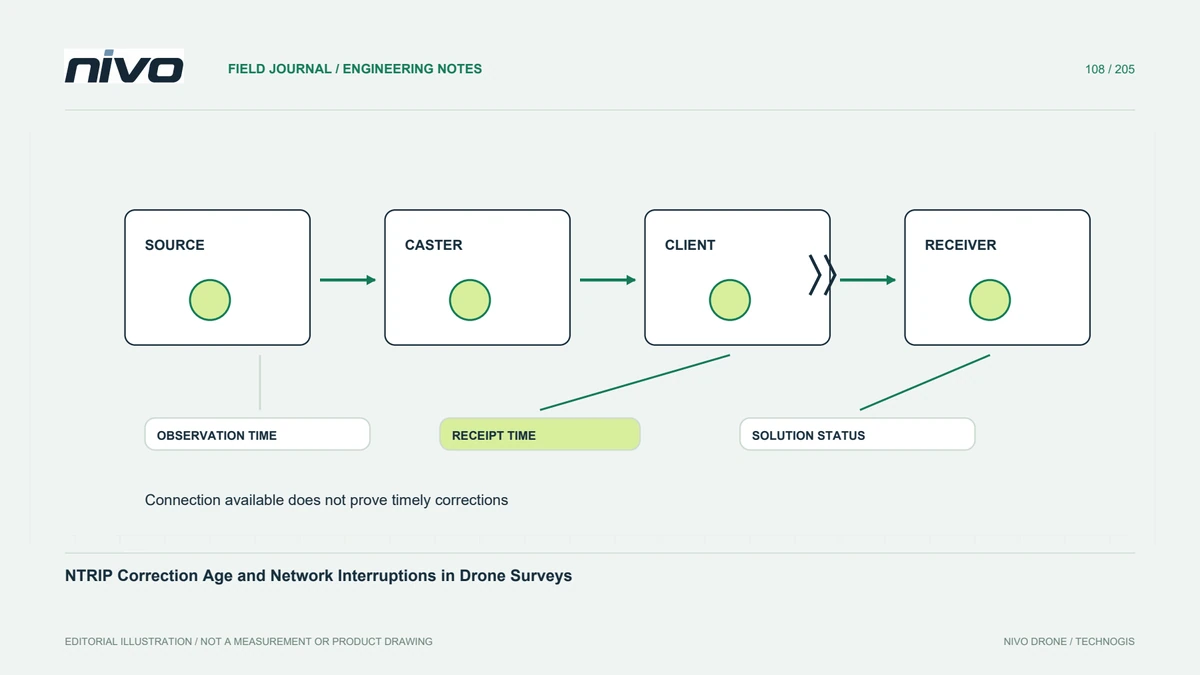
Trace correction availability through source identity, stream content, timestamps, network stages, receiver behavior, and the evidence needed for later processing.