Drone technology
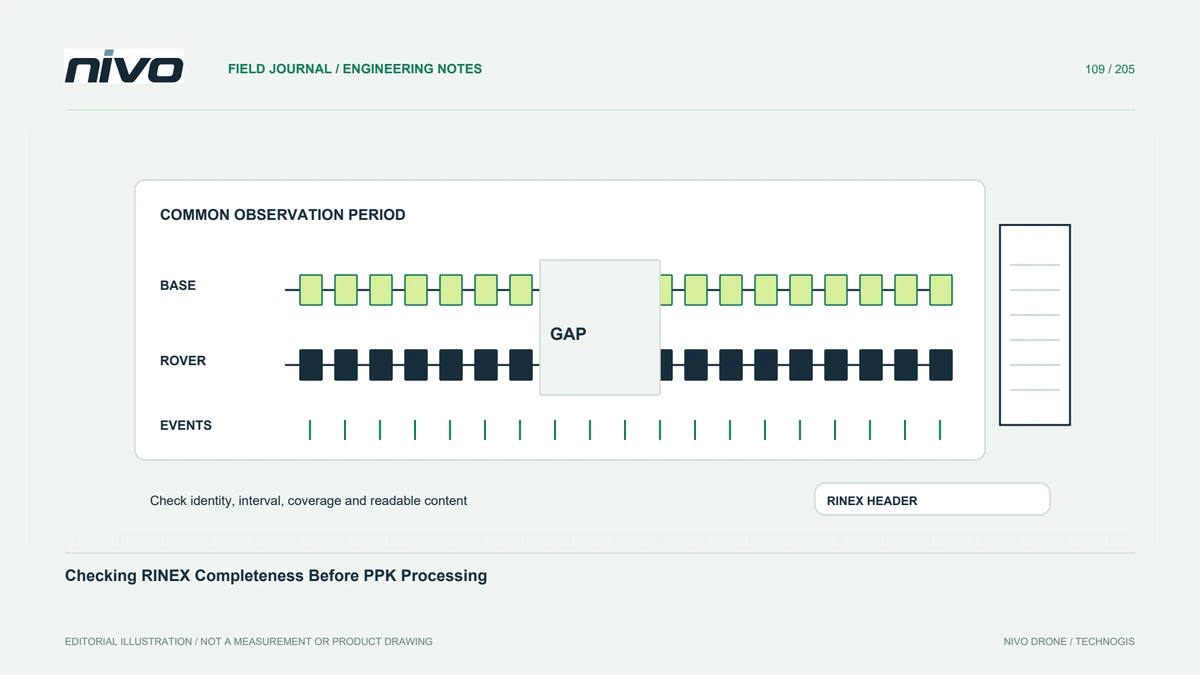
Checking RINEX Completeness Before PPK Processing
Inspect observation periods, signal types, header identities, antenna information, navigation inputs, and conversion history before relying on a PPK workflow.
3 min readRead article

Practical guides to VTOL aircraft, drone technology, geospatial workflows, payloads and inspection.
Inspect observation periods, signal types, header identities, antenna information, navigation inputs, and conversion history before relying on a PPK workflow.
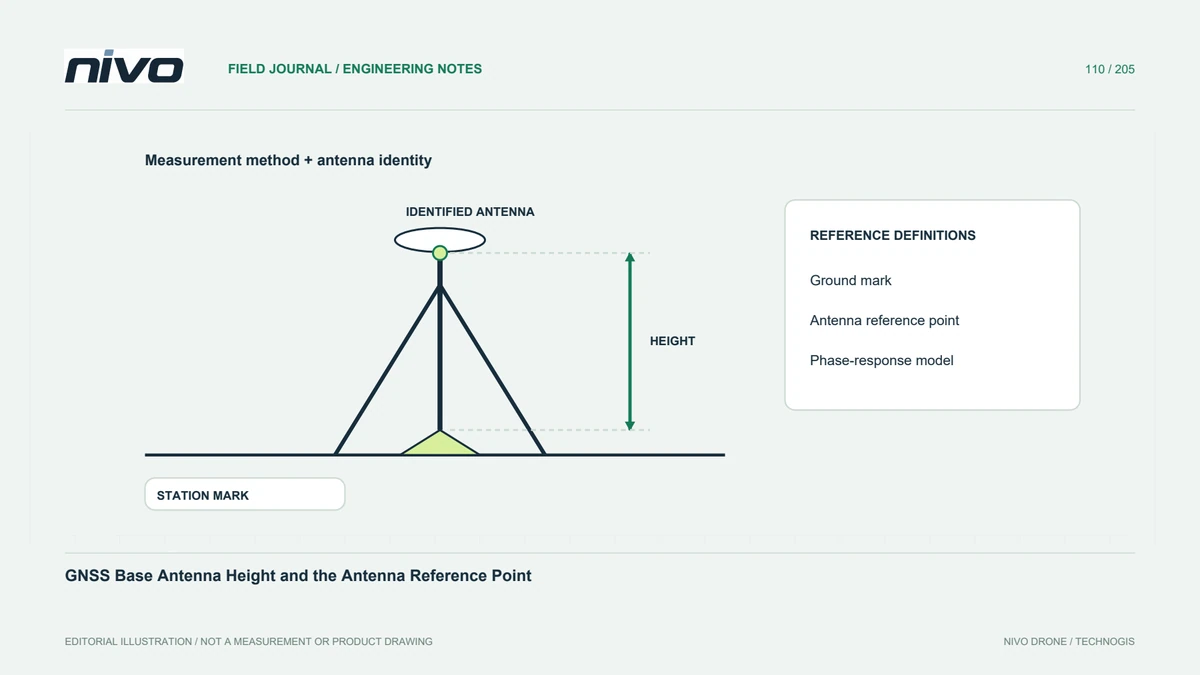
Keep station marks, measured antenna heights, reference-point definitions, antenna models, and calibration information traceable throughout GNSS processing.
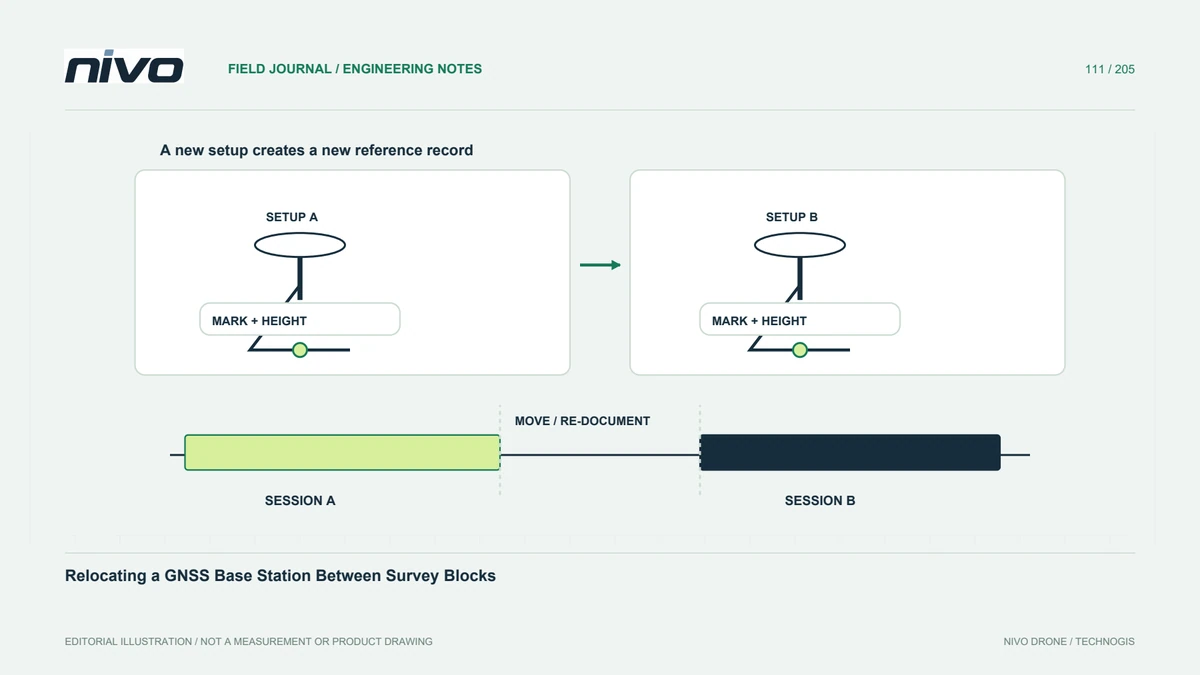
Keep station identity, coordinates, antenna geometry, observation periods, and processing treatment explicit when a reference setup moves between survey areas.
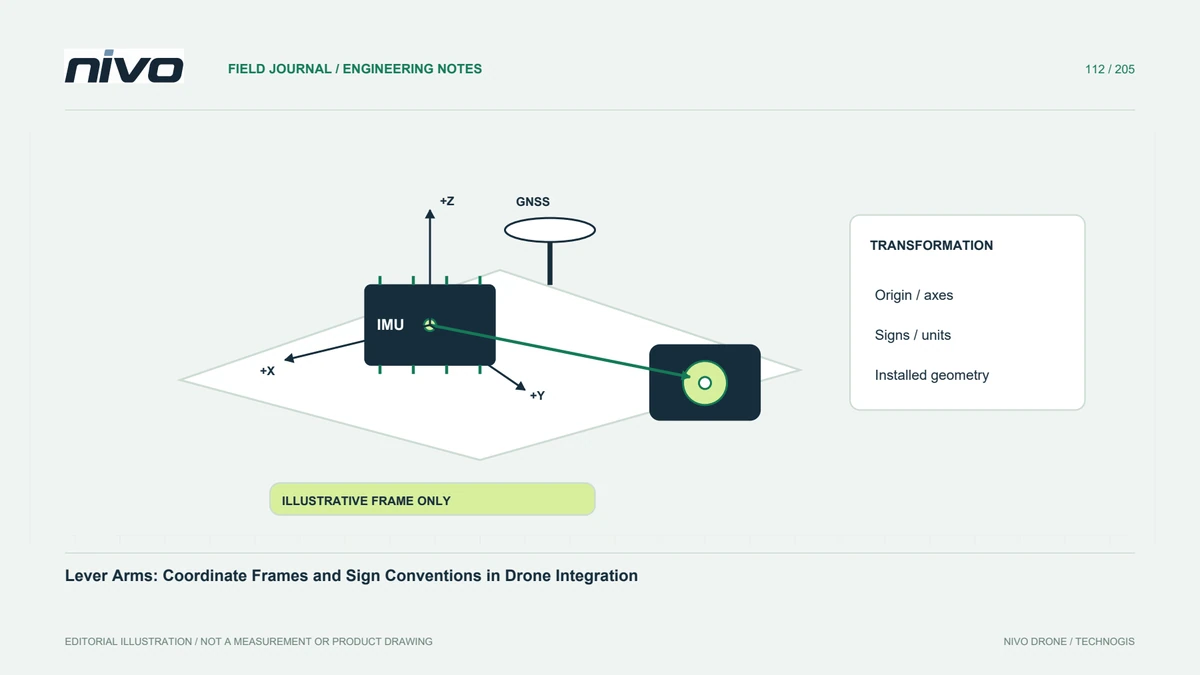
Document sensor offsets through defined origins, axes, signs, measurement endpoints, configuration ownership, and verification of the installed geometry.
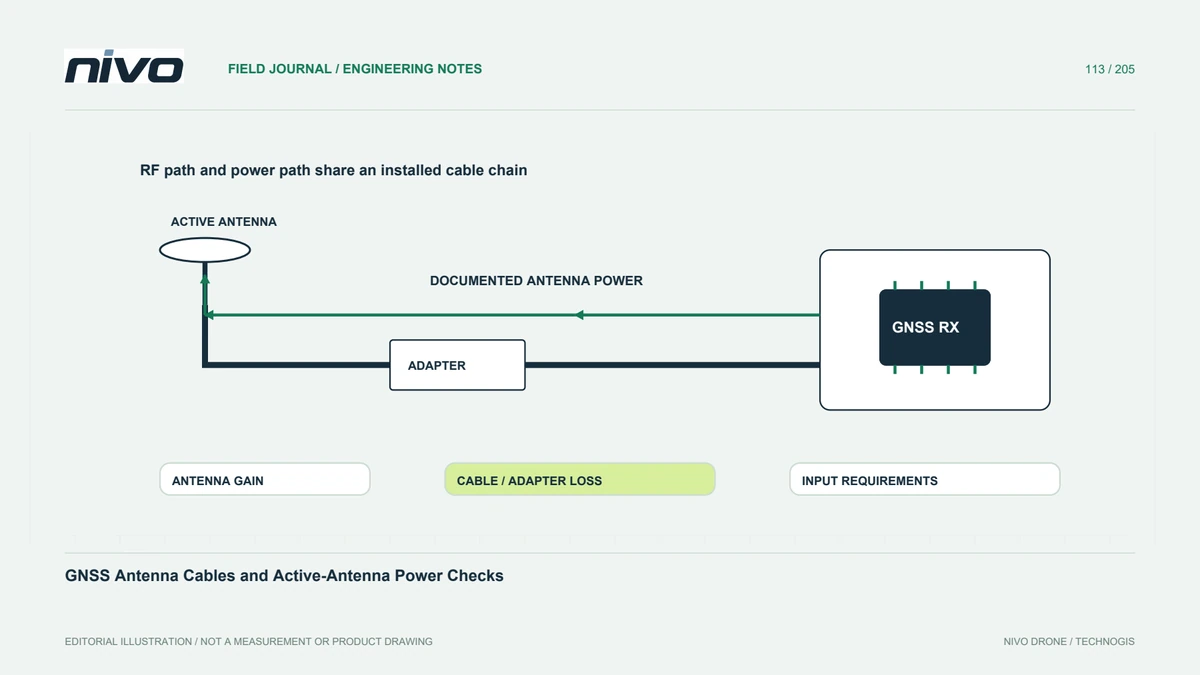
Review antenna and receiver compatibility through RF cable identity, connector condition, gain definitions, power requirements, and manufacturer-supported diagnostics.
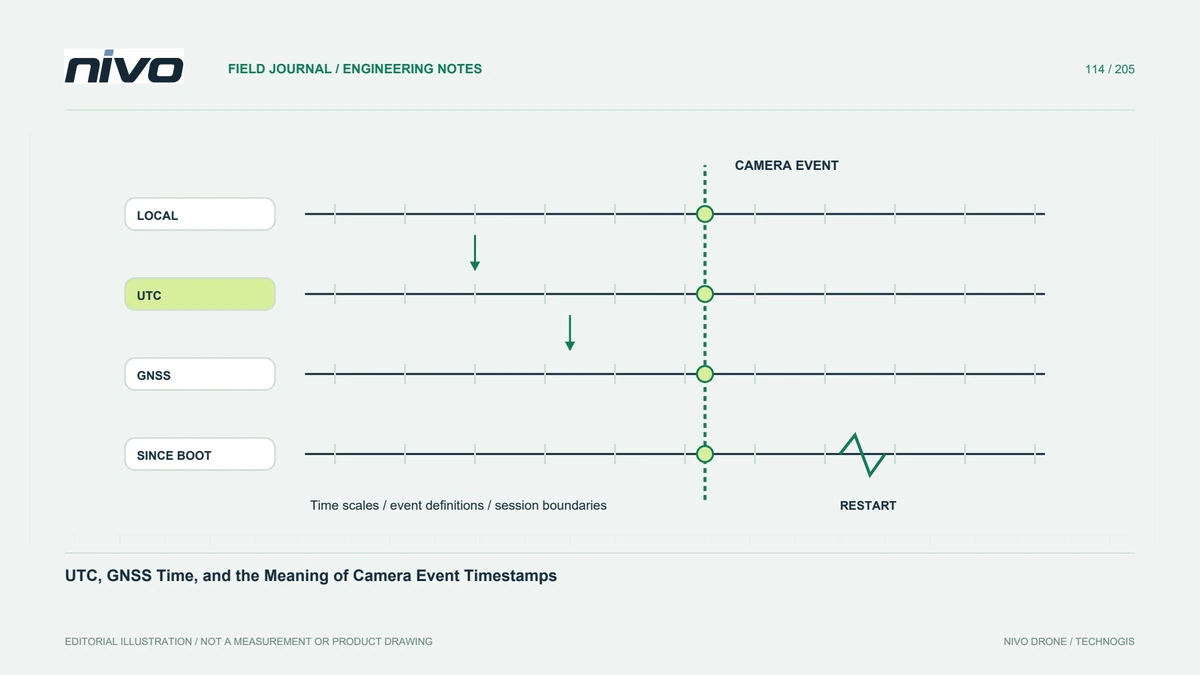
Trace camera and navigation timing through time scales, time zones, startup clocks, event definitions, and documented conversions before combining observations.
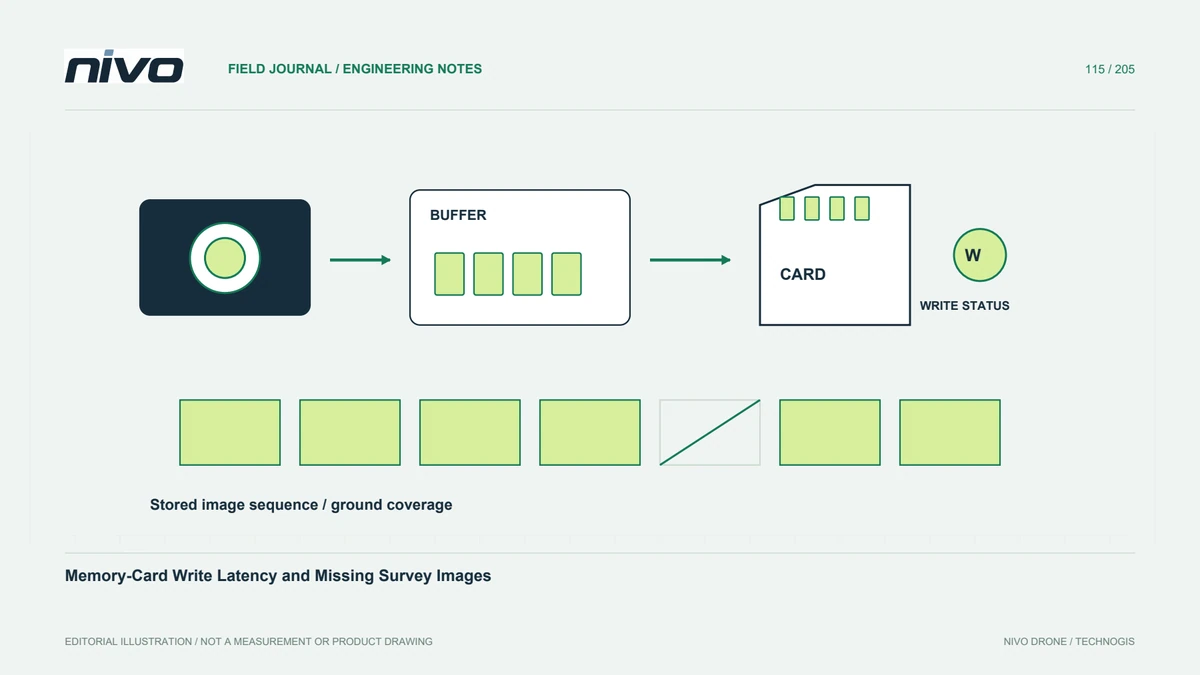
Investigate incomplete image sequences through camera settings, card identity, writing status, capture intervals, file verification, and traceable testing.
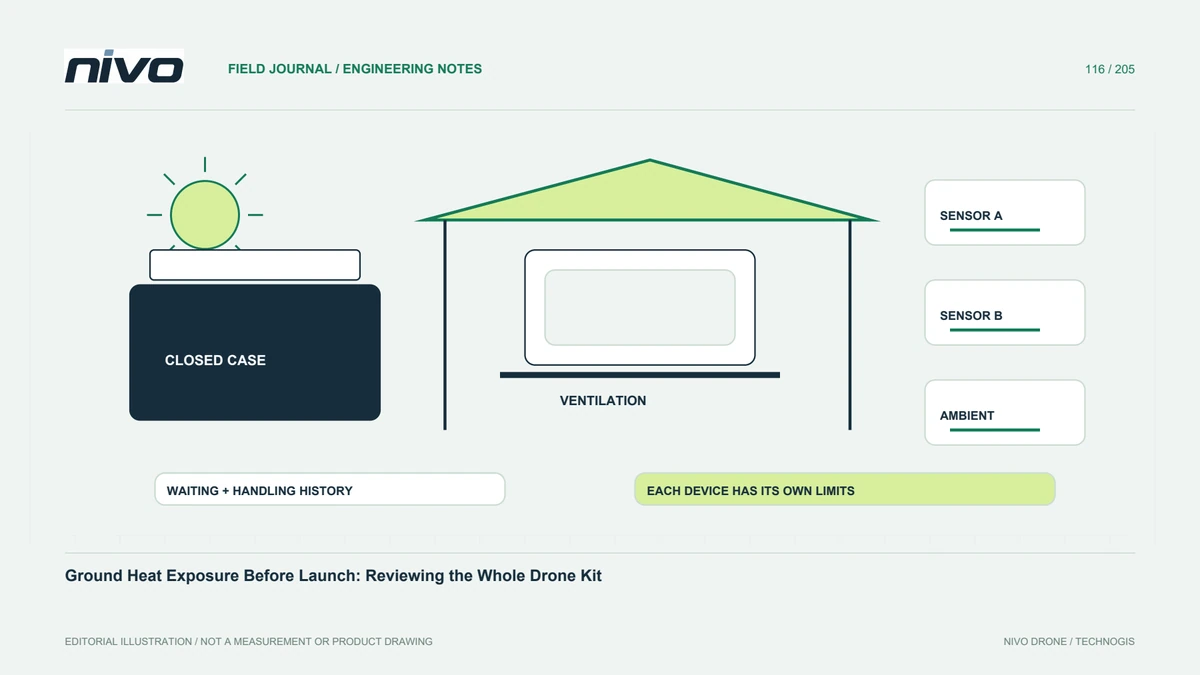
Record waiting conditions, enclosure exposure, sensor temperatures, support electronics, and device-specific requirements before treating a hot-site kit as ready.
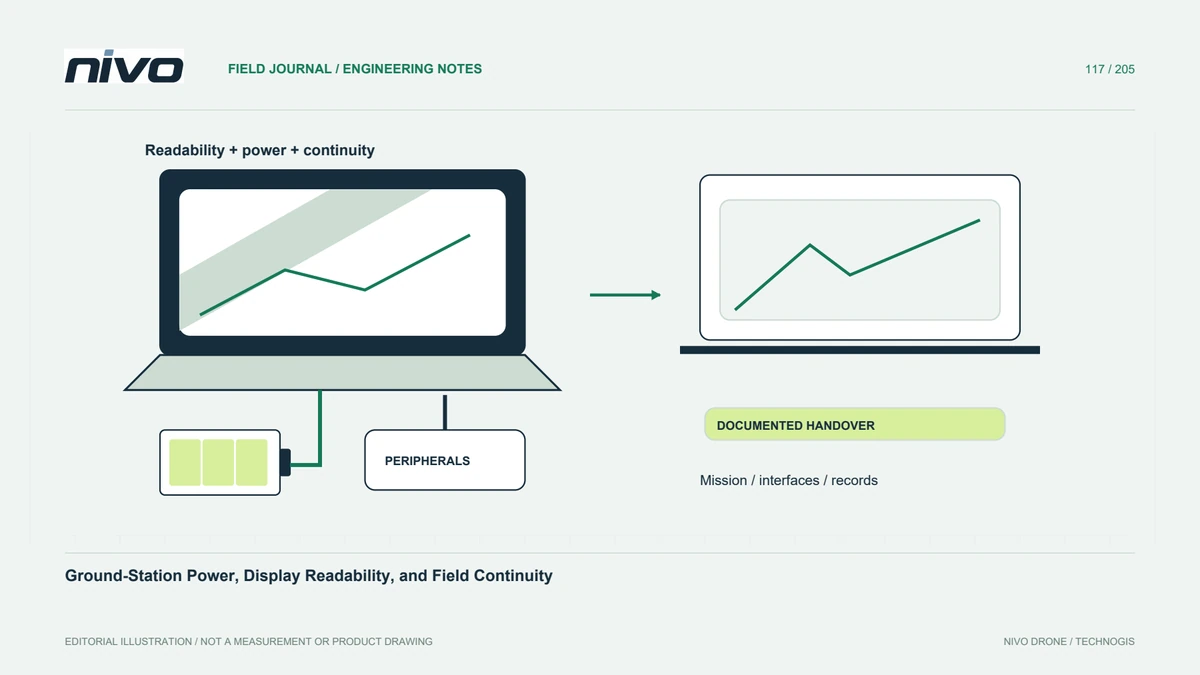
Evaluate the real field workstation through power arrangements, screen readability, interfaces, environmental conditions, recording, and a tested handover plan.
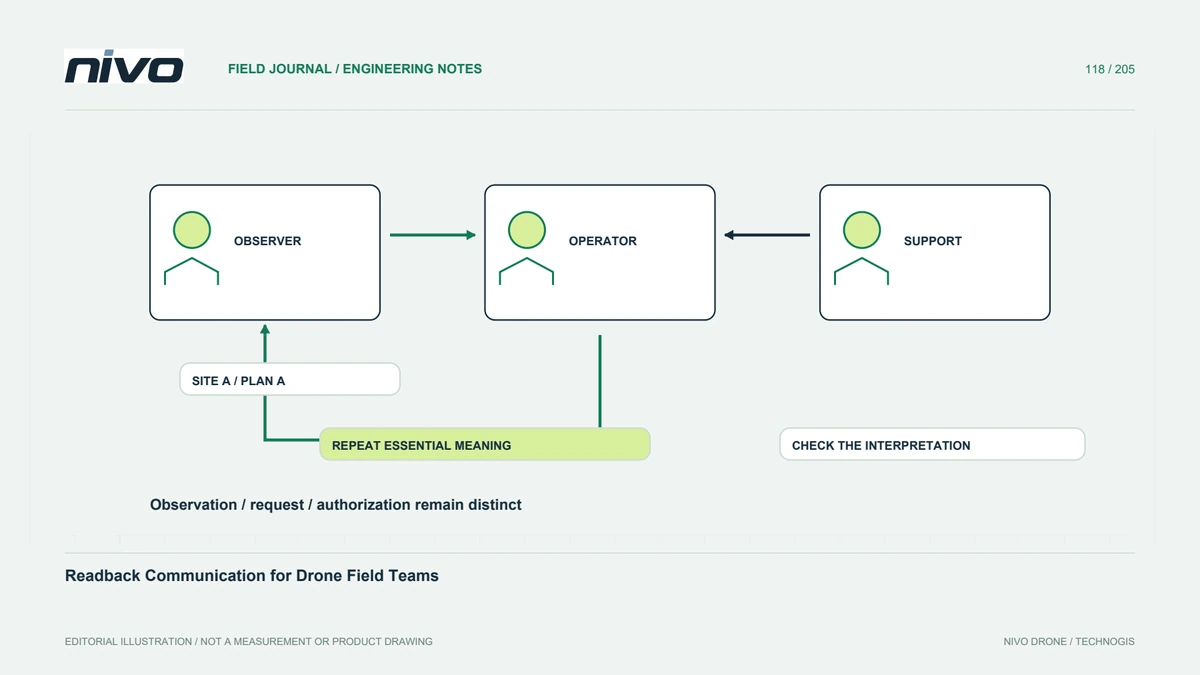
Design clear field exchanges through shared location identities, explicit roles, confirmation of important information, and practice tied to the actual operating procedure.
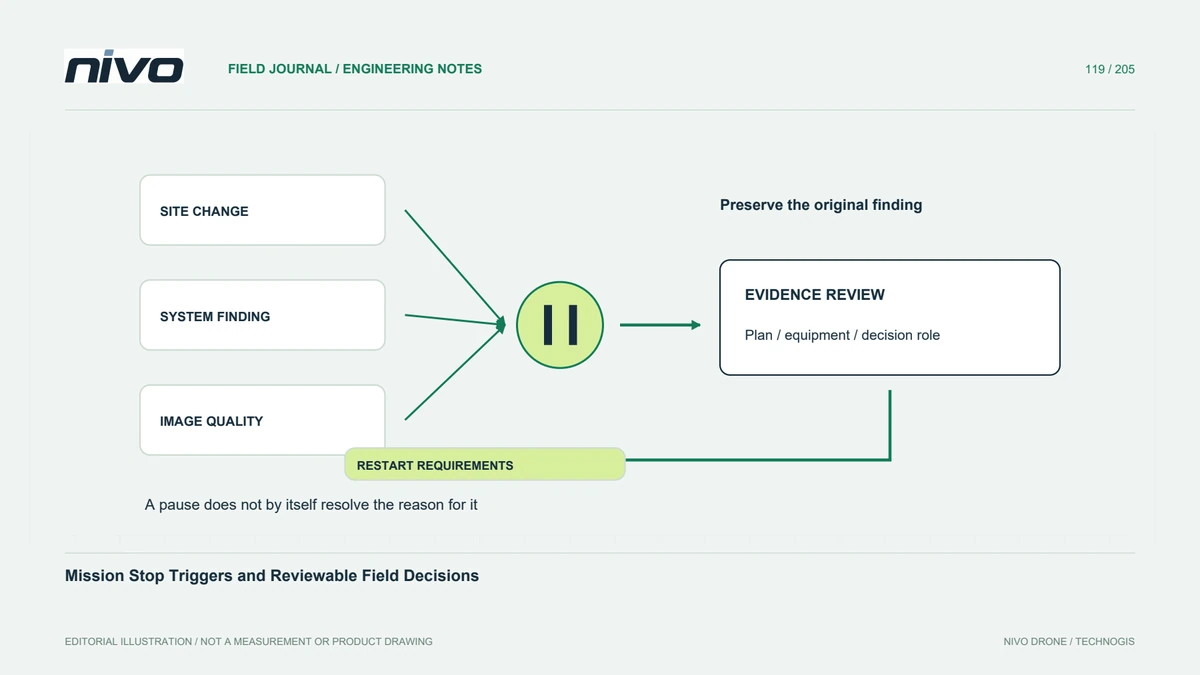
Connect changed site conditions, equipment findings, data quality, decision roles, and restart requirements before schedule pressure shapes the field response.
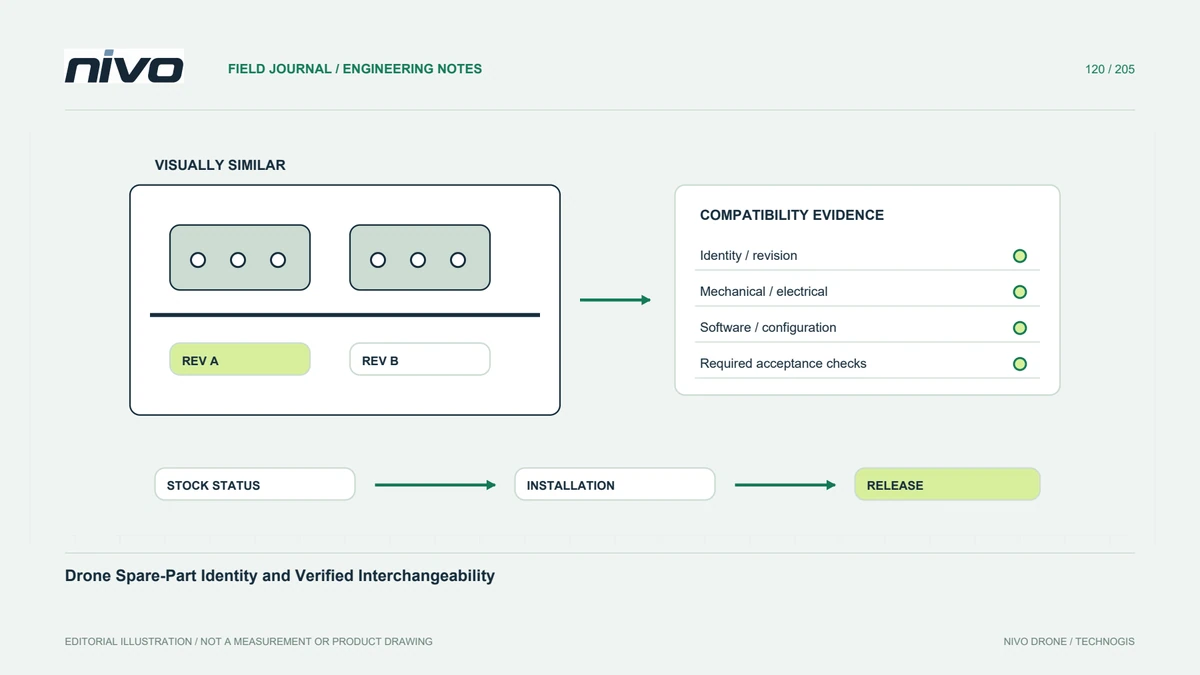
Manage spares through part identity, revision, storage condition, installation requirements, and acceptance evidence instead of relying on visual similarity.