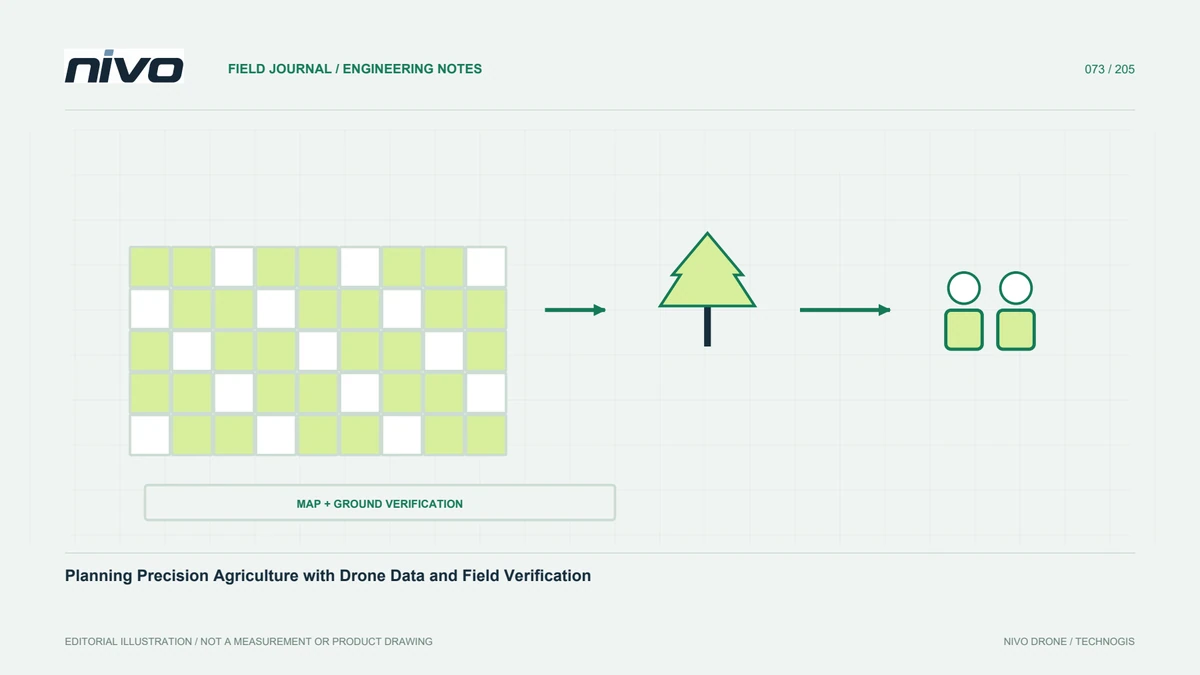
Planning Precision Agriculture with Drone Data and Field Verification
Build precision-agriculture decisions around clear questions, parcel maps, suitable sensors, timely monitoring, field verification, practical actions, and measured benefits.
Practical guides to VTOL aircraft, drone technology, geospatial workflows, payloads and inspection.

Build precision-agriculture decisions around clear questions, parcel maps, suitable sensors, timely monitoring, field verification, practical actions, and measured benefits.

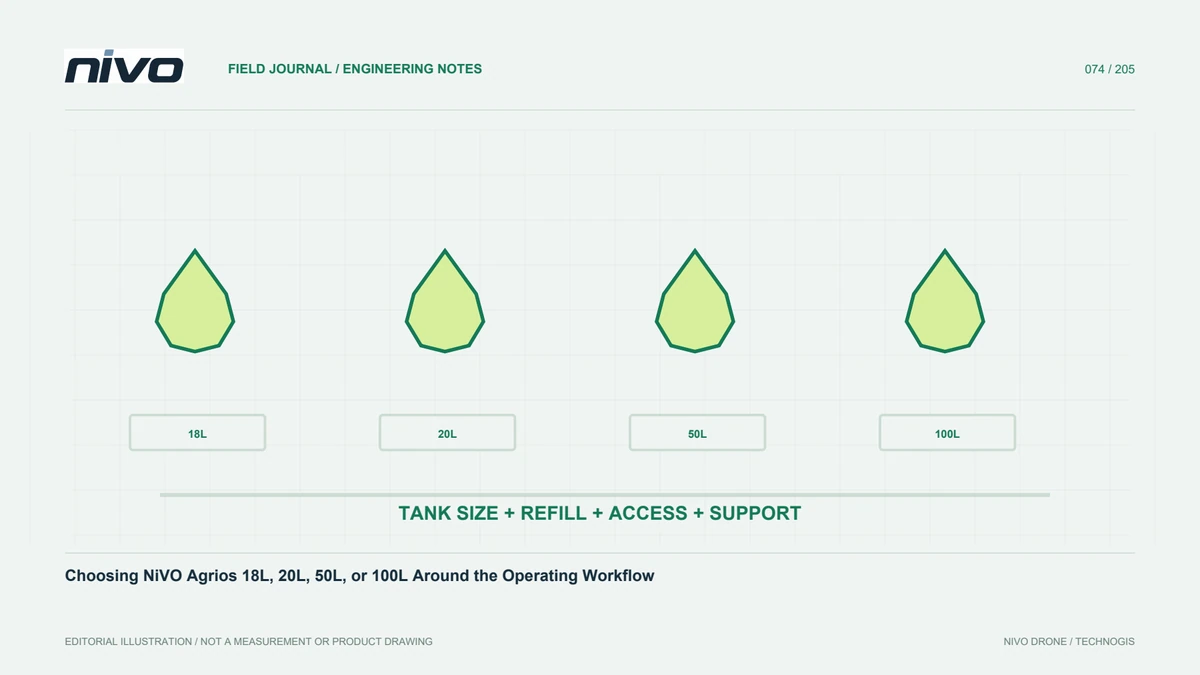
Compare NiVO Agrios capacities through parcel geometry, access, refill logistics, energy, transport, team readiness, maintenance, and evidence from representative operations.

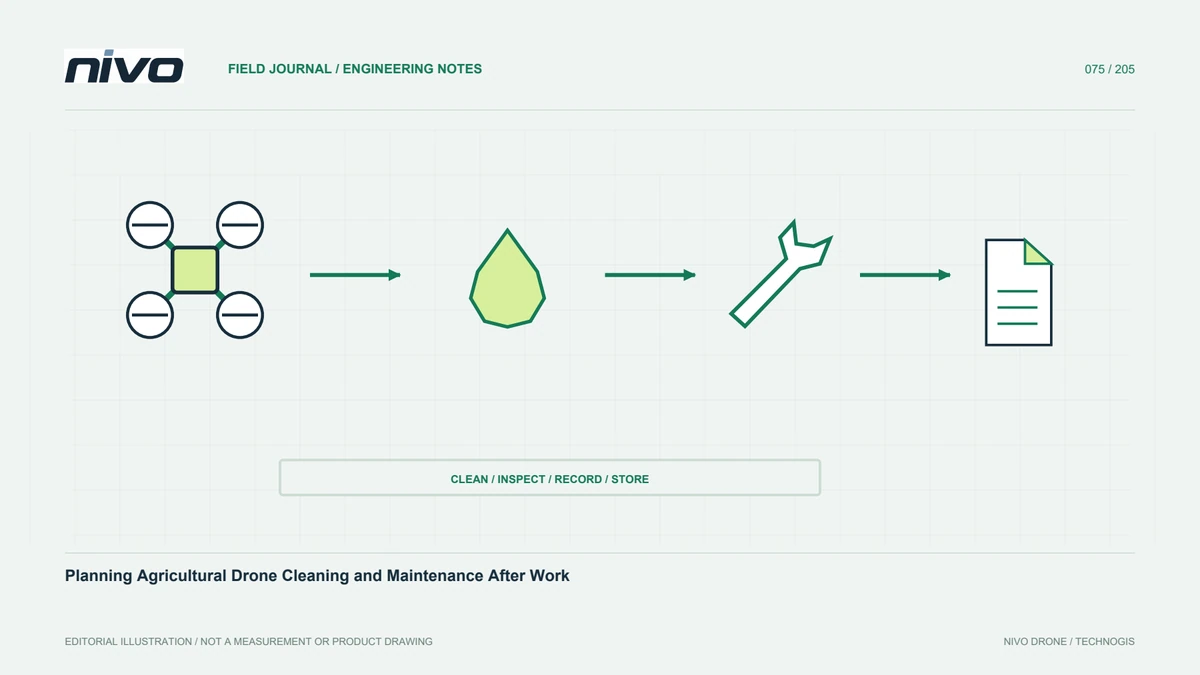
Plan agricultural-drone care around device guidance, material records, suitable facilities, component checks, energy handling, readiness status, and traceable follow-up.

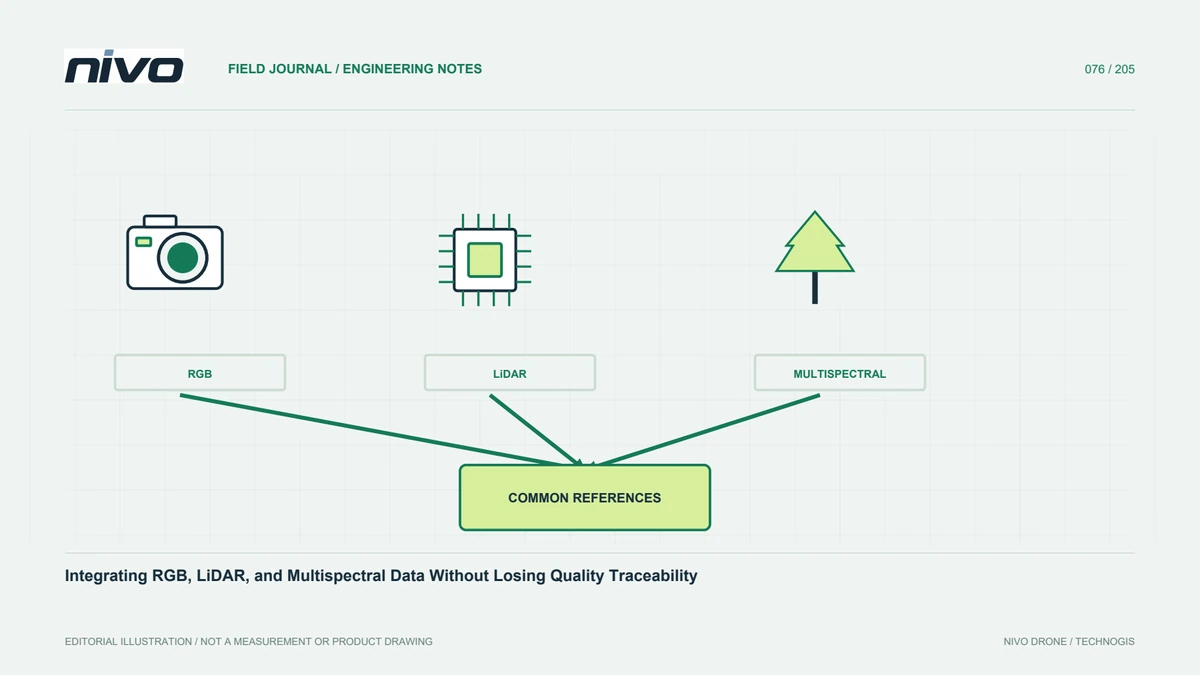
Plan combined RGB, LiDAR, and multispectral analysis through defined questions, coordinate and time checks, sensible resolution, quality review, and source traceability.

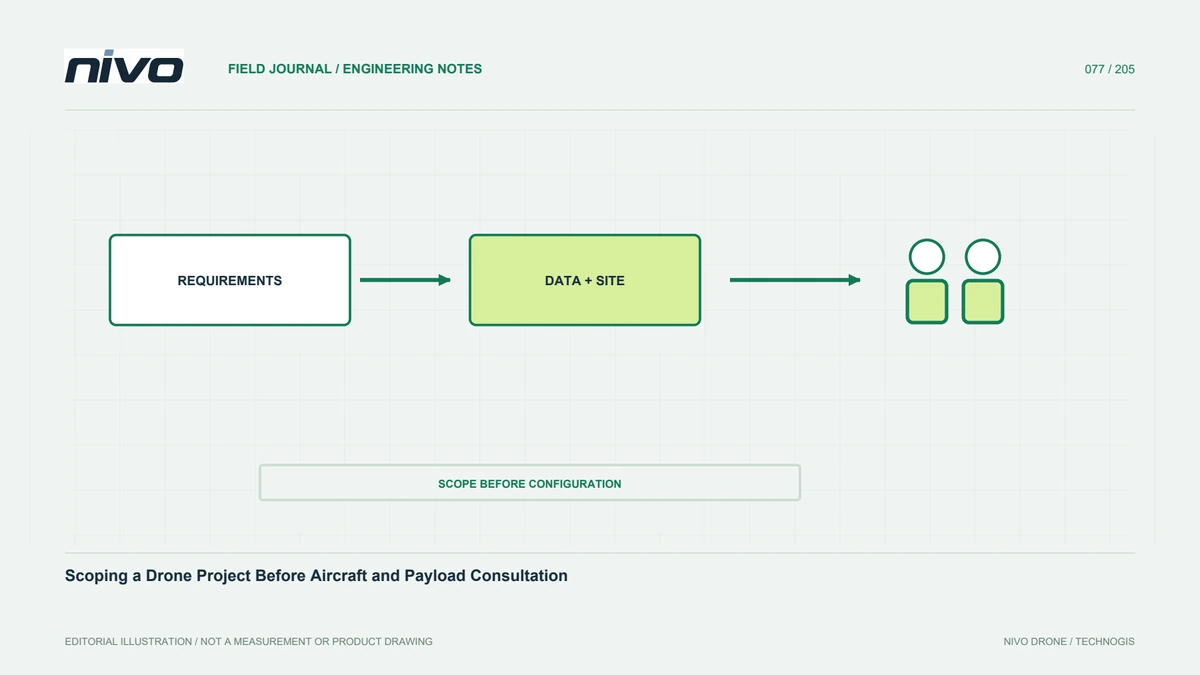
Prepare a clear drone-project brief covering outputs, targets, area, detail, accuracy, site conditions, timing, complete-system needs, data roles, and acceptance tests.

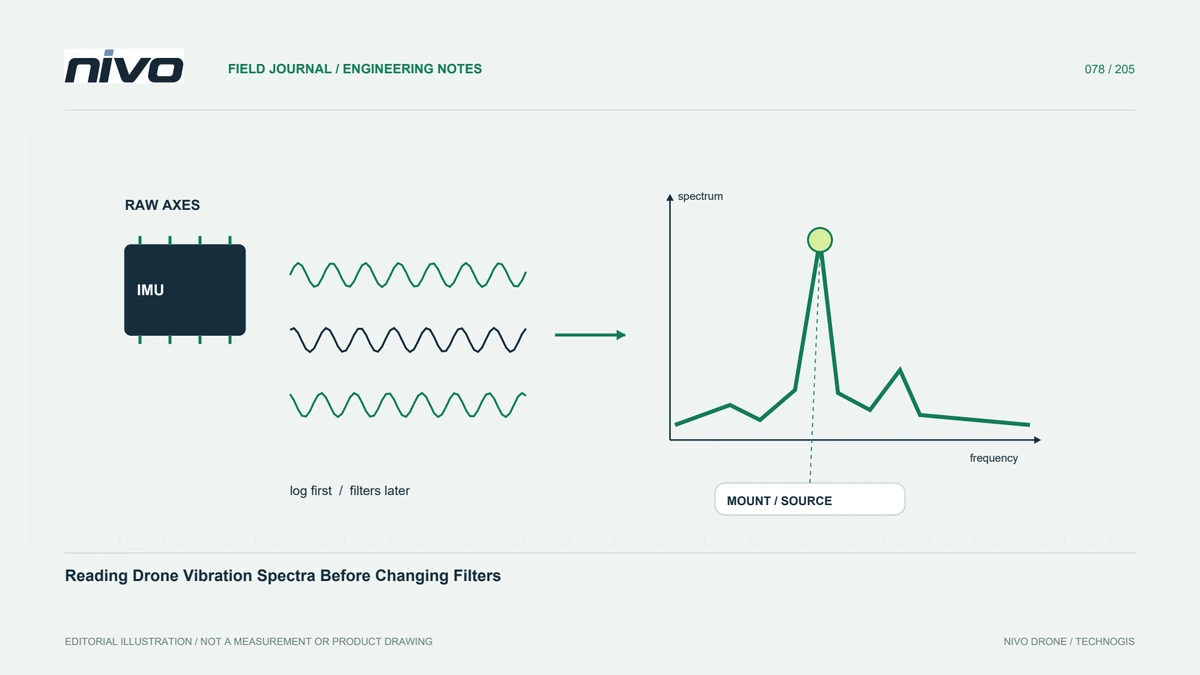
Use comparable raw recordings, frequency context, mechanical inspection, and documented verification to investigate vibration before changing flight-controller filters.

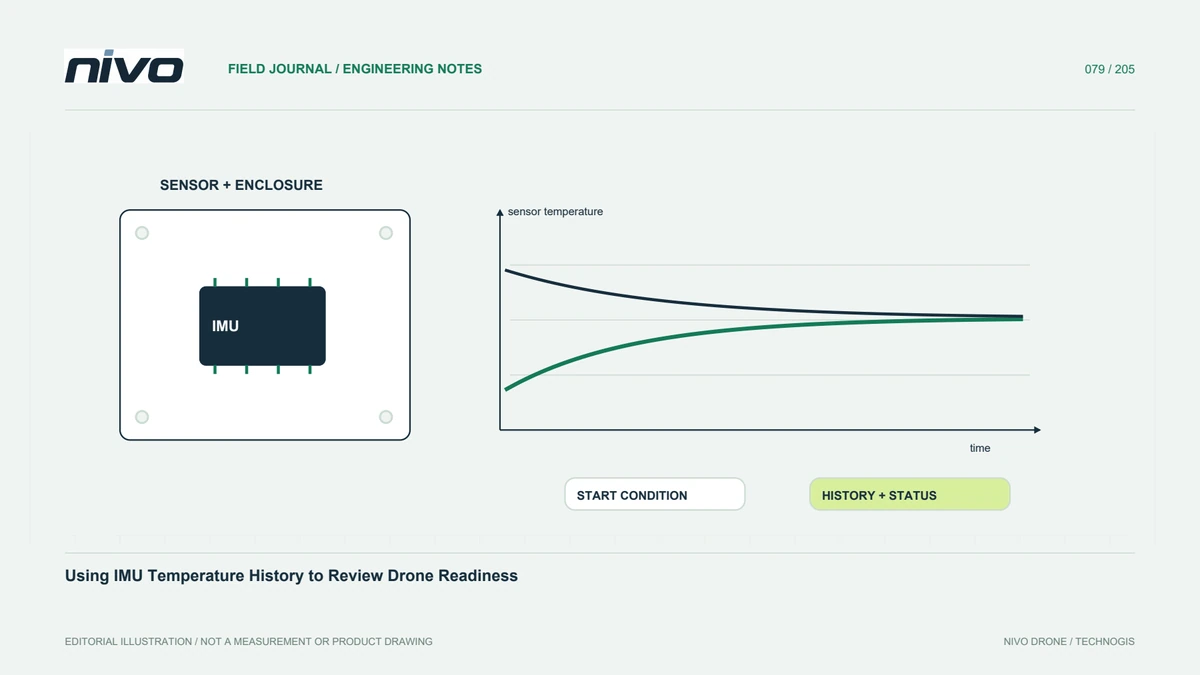
Distinguish temperature-related sensor behavior from installation problems through recorded conditions, applicable calibration information, and controlled review.

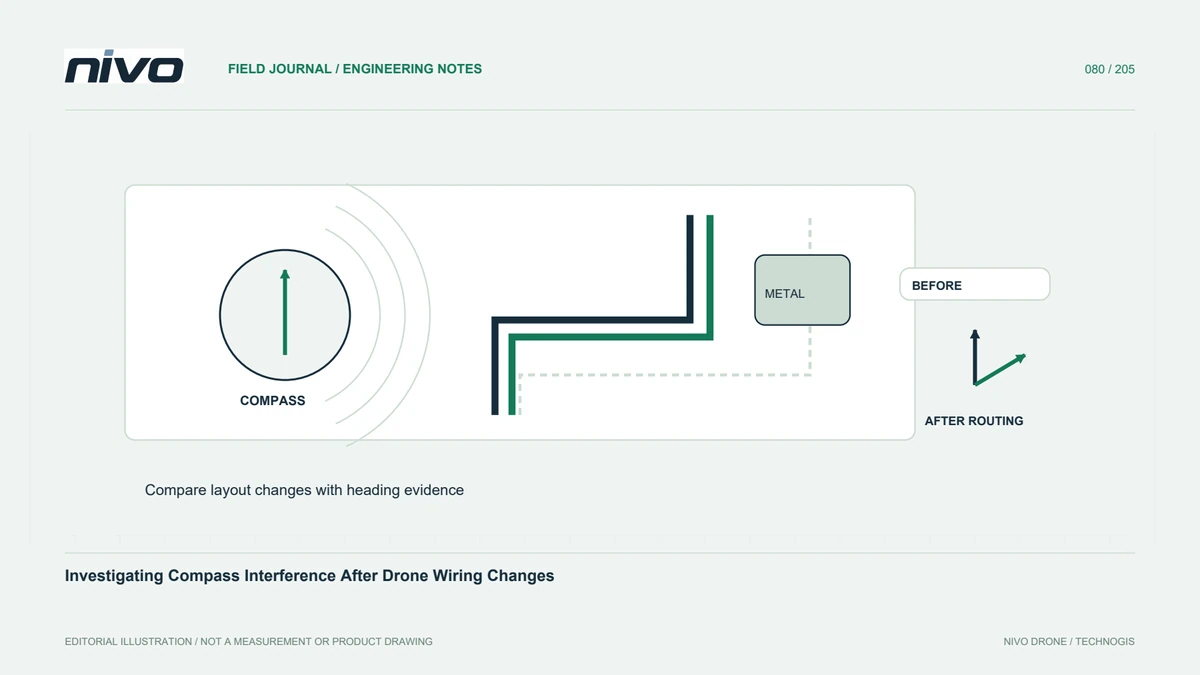
Trace heading inconsistencies through device identity, wiring geometry, nearby materials, power-state evidence, and a documented installation review.

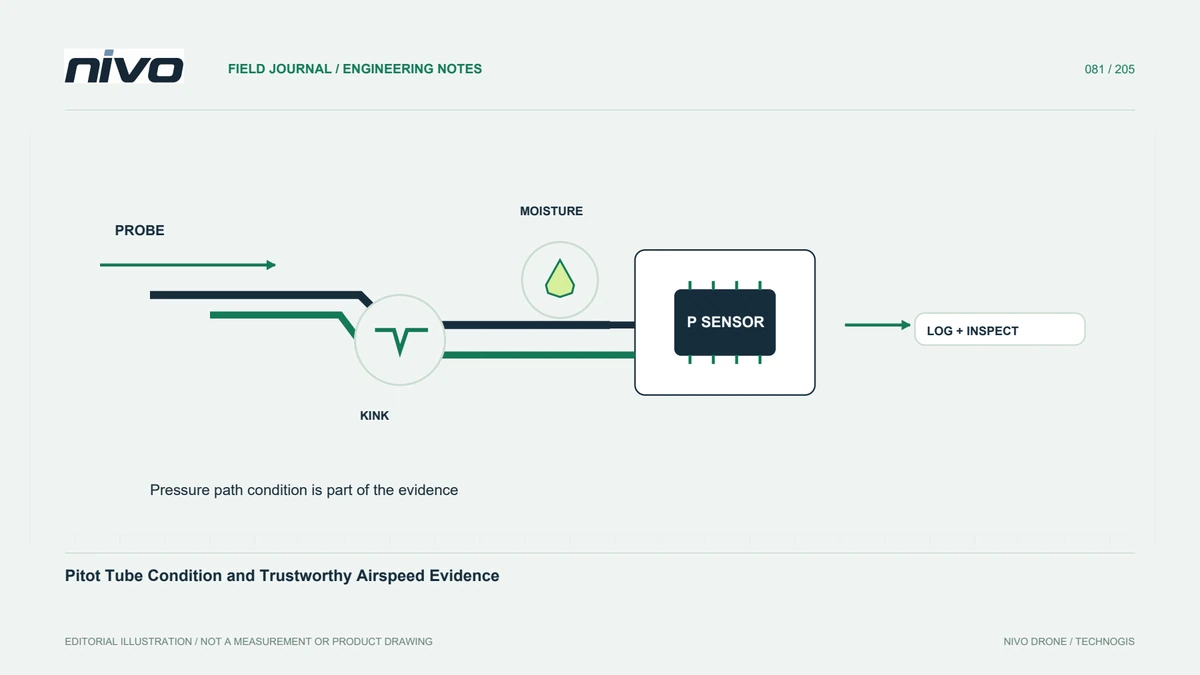
Investigate airspeed discrepancies through probe condition, tubing identity, installation geometry, calibration records, and comparisons with flight context.

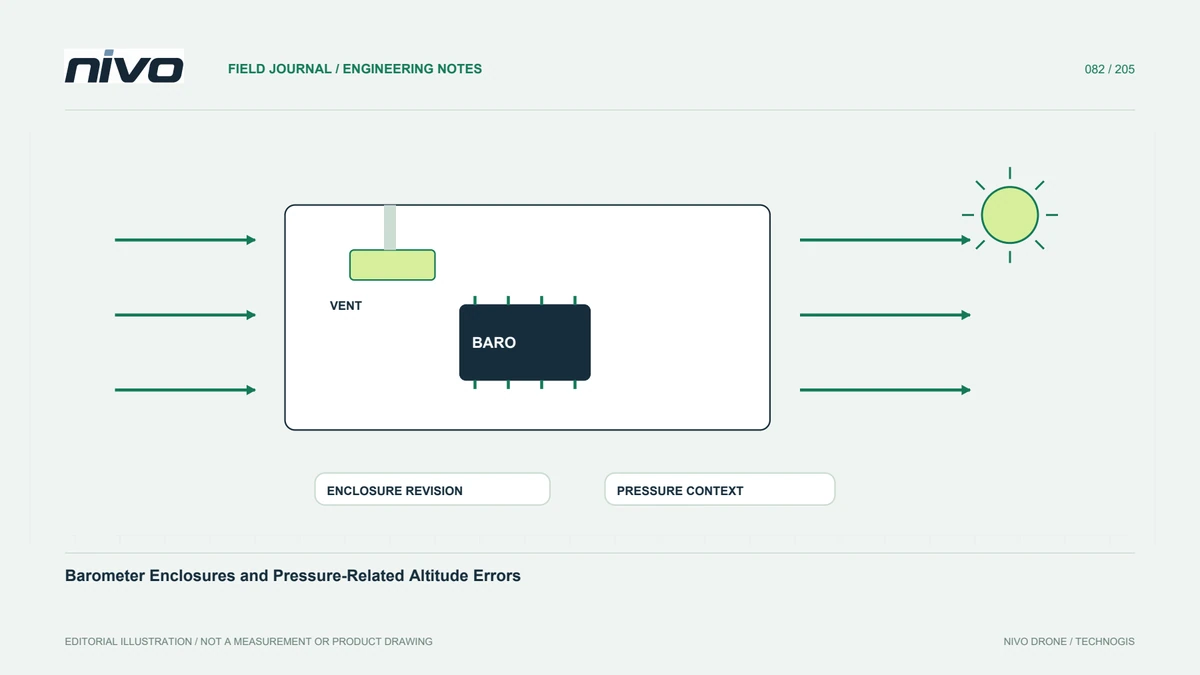
Review unexpected altitude behavior through pressure exposure, enclosure changes, temperature history, reference definitions, and controlled comparison.

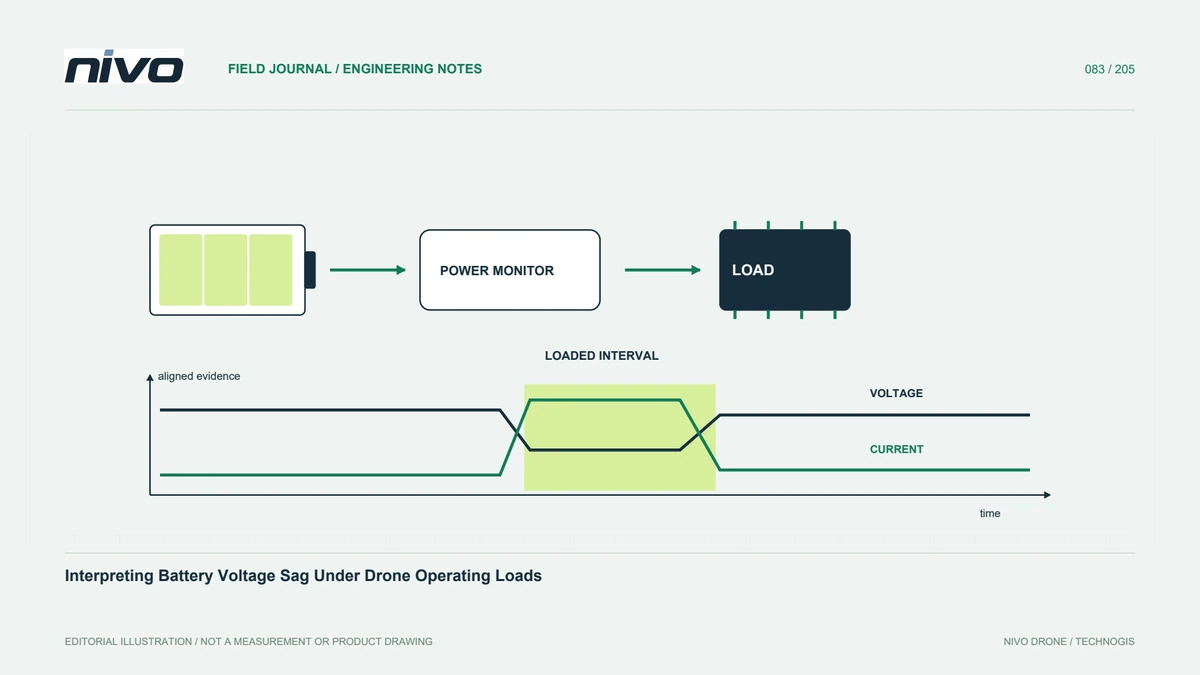
Evaluate voltage drops with current, temperature, battery identity, connector condition, and sensor verification instead of relying on a resting-voltage snapshot.

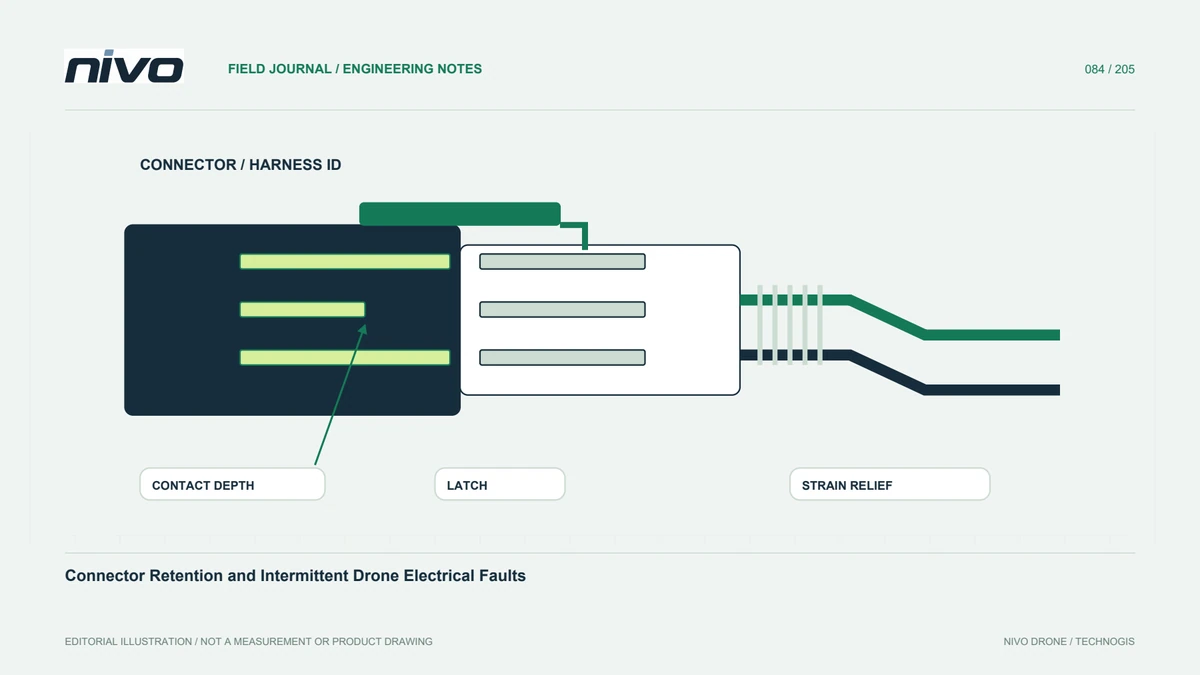
Investigate intermittent electrical faults through connector identity, contact condition, strain relief, mating history, and documented verification.