Interpreting Battery Voltage Sag Under Drone Operating Loads
Evaluate voltage drops with current, temperature, battery identity, connector condition, and sensor verification instead of relying on a resting-voltage snapshot.
Distinguish resting voltage from loaded behavior
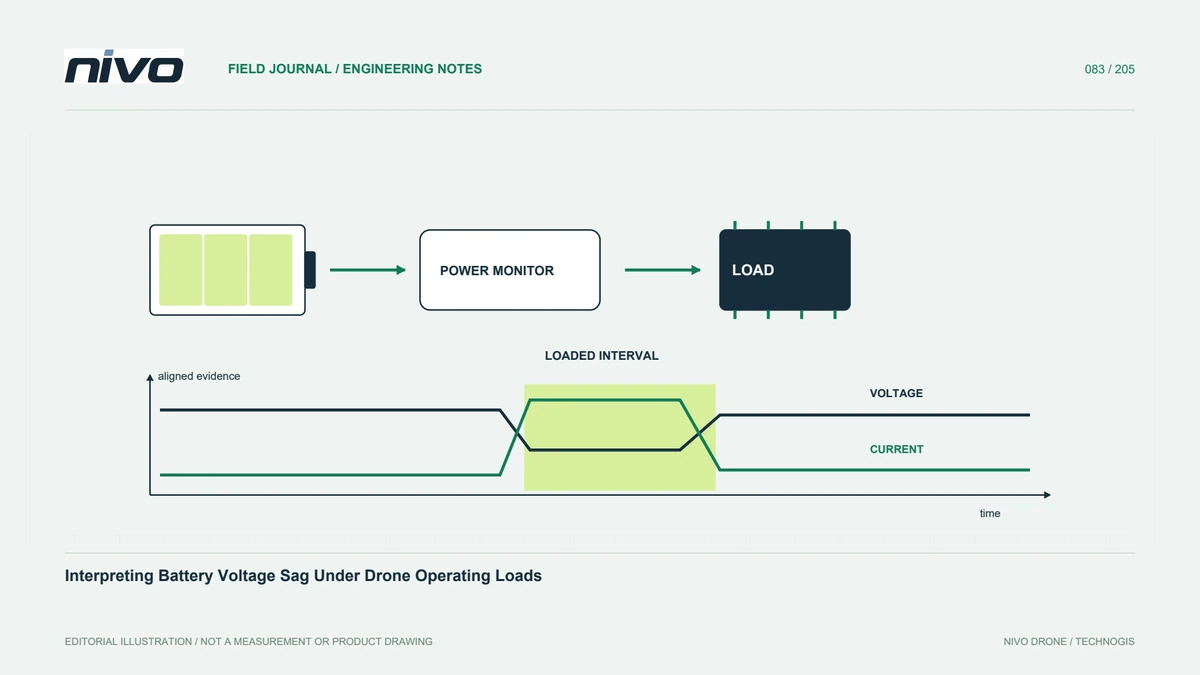
A battery's terminal voltage can change when electrical demand changes. A reassuring value before operation therefore does not describe every subsequent load condition. Begin with the battery identity, aircraft configuration, temperature context, and the operating phase where the drop appeared. Retain the original recording. The maintenance question is whether the complete power system behaves within its documented requirements, not whether one familiar voltage number looks acceptable.
Confirm what the monitor measures
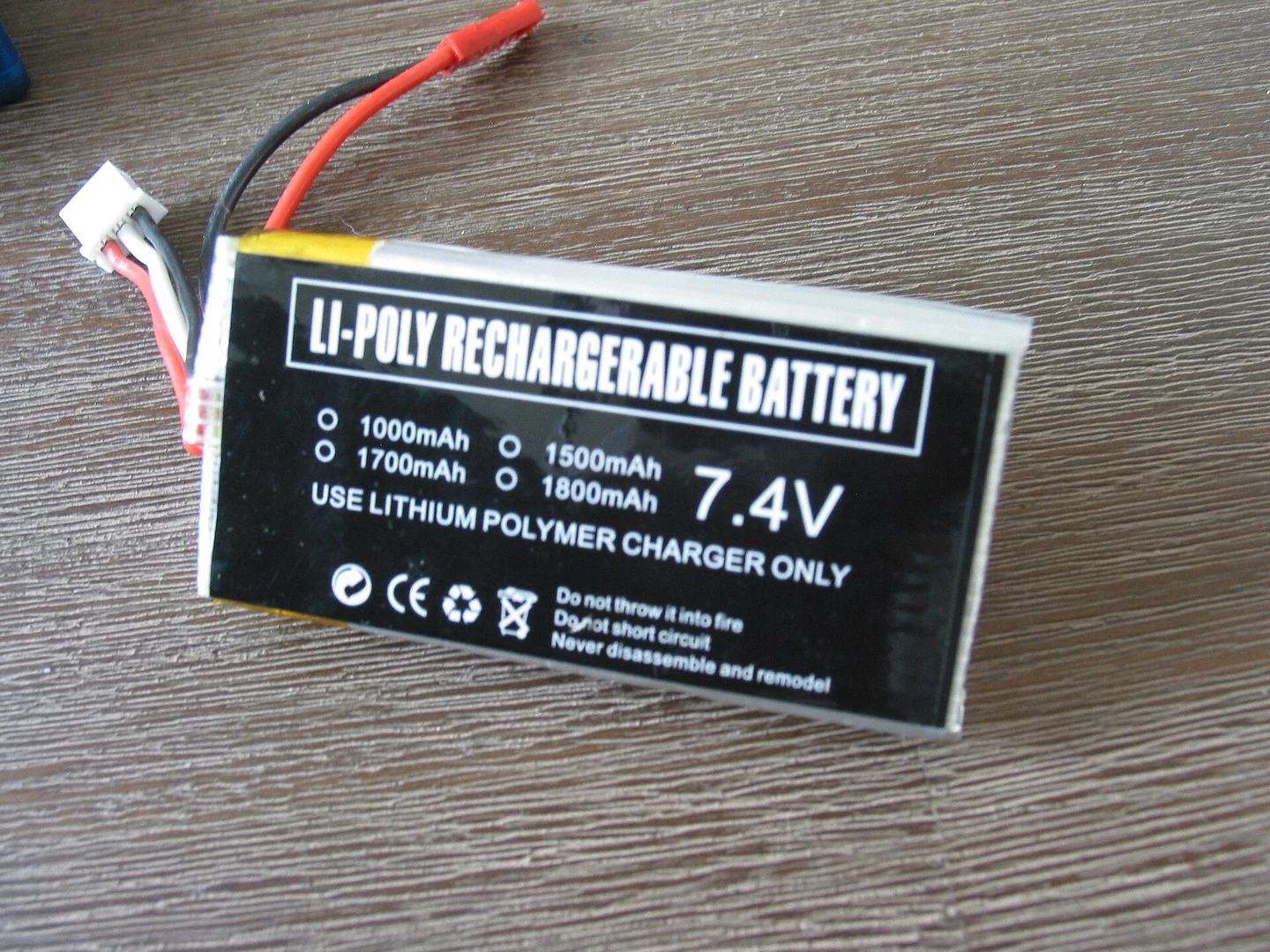
Identify the voltage and current monitor, its sensing location, configuration, and calibration reference. A reported value represents that installation and may not describe voltage at every downstream device. Check units and distinguish measured current from any configured estimate. Where readings are questioned, competent personnel should define an appropriate independent comparison. Do not adjust scaling until a display matches expectation without documenting the actual measurement basis.
Compare voltage and demand on one timeline
Review voltage alongside current where available, propulsion demand, payload activity, and relevant messages. Distinguish brief transients from sustained behavior and identify sampling gaps. Similar-looking drops can occur under different operating conditions. Compare equivalent segments rather than entire-flight averages. The purpose is to locate a reproducible relationship that guides inspection, without turning a general plot into a universal battery-health diagnosis or predicting remaining flight time from one event.
Include the connections and distribution path
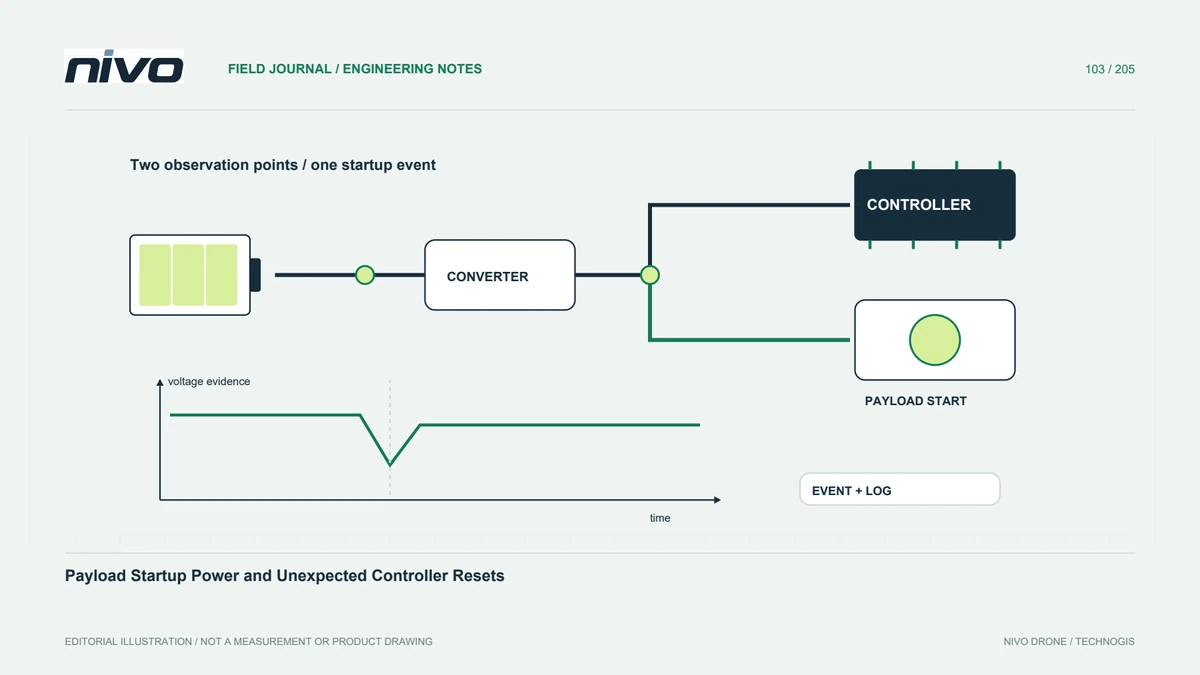
Battery condition is only one possible contributor. Connectors, wiring, distribution components, and added equipment deserve review through the approved electrical procedure. Record discoloration, damaged retention, unusual heating reports, and recent changes without improvising powered fault tests. A replacement battery that appears to improve a symptom does not automatically clear every connection. Preserve component identities so the investigation can distinguish pack-specific behavior from an aircraft-installed issue.
Keep decisions tied to approved limits
Use the battery and aircraft instructions to determine handling, inspection, operating limits, and release criteria. Avoid inventing a shared voltage threshold for different chemistries, cell arrangements, and monitoring systems. Unusual behavior should receive an explicit status and technical follow-up. Operational reserve decisions belong within the validated aircraft process; an analyst should not disable a warning simply because a graph suggests the aircraft probably had more energy available.
Build a comparison history that remains fair
Store accepted observations with battery identity, temperature context, installed payload, monitor configuration, and evaluated load conditions. Compare later records only after accounting for those differences. Distinguish a confirmed finding from a question still awaiting examination. This creates a useful service history for NiVO support and fleet planning, while avoiding the misleading assumption that a single resting measurement, capacity label, or visually smooth trace proves reliable performance under every demand.