Managing Mapping Drone Batteries: Identity, History, and Readiness
Build battery management around individual identities, manufacturer procedures, mission history, charging records, transport, storage, and clear technical status.
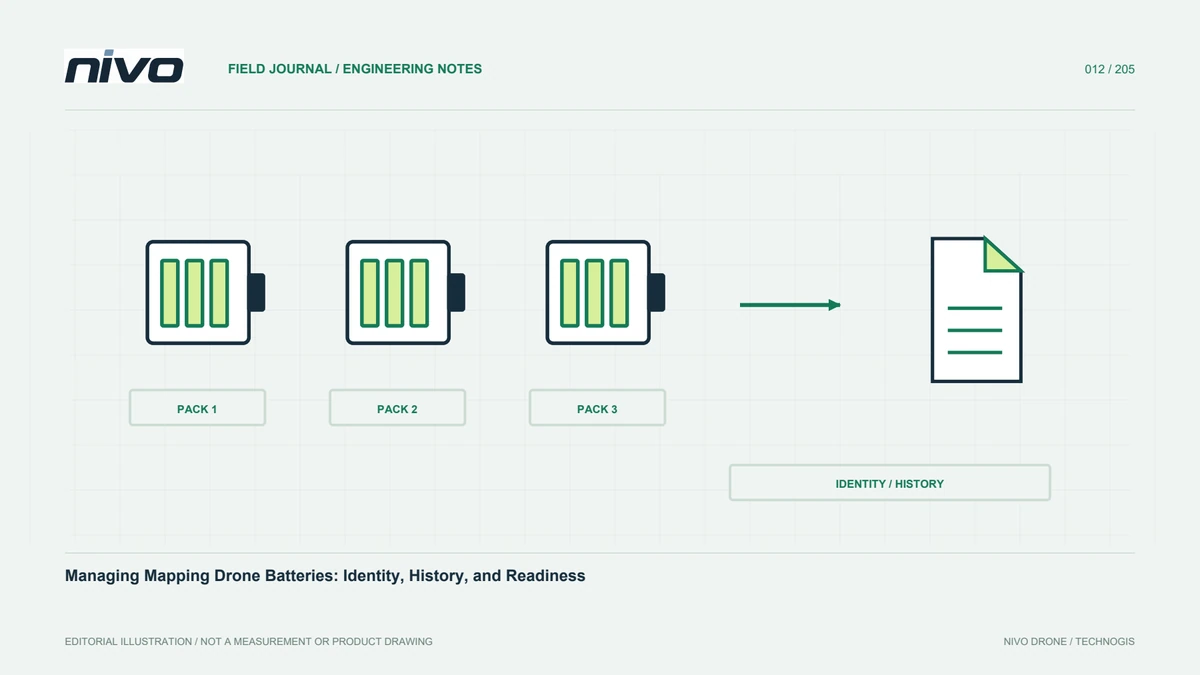
Treat batteries as traceable assets
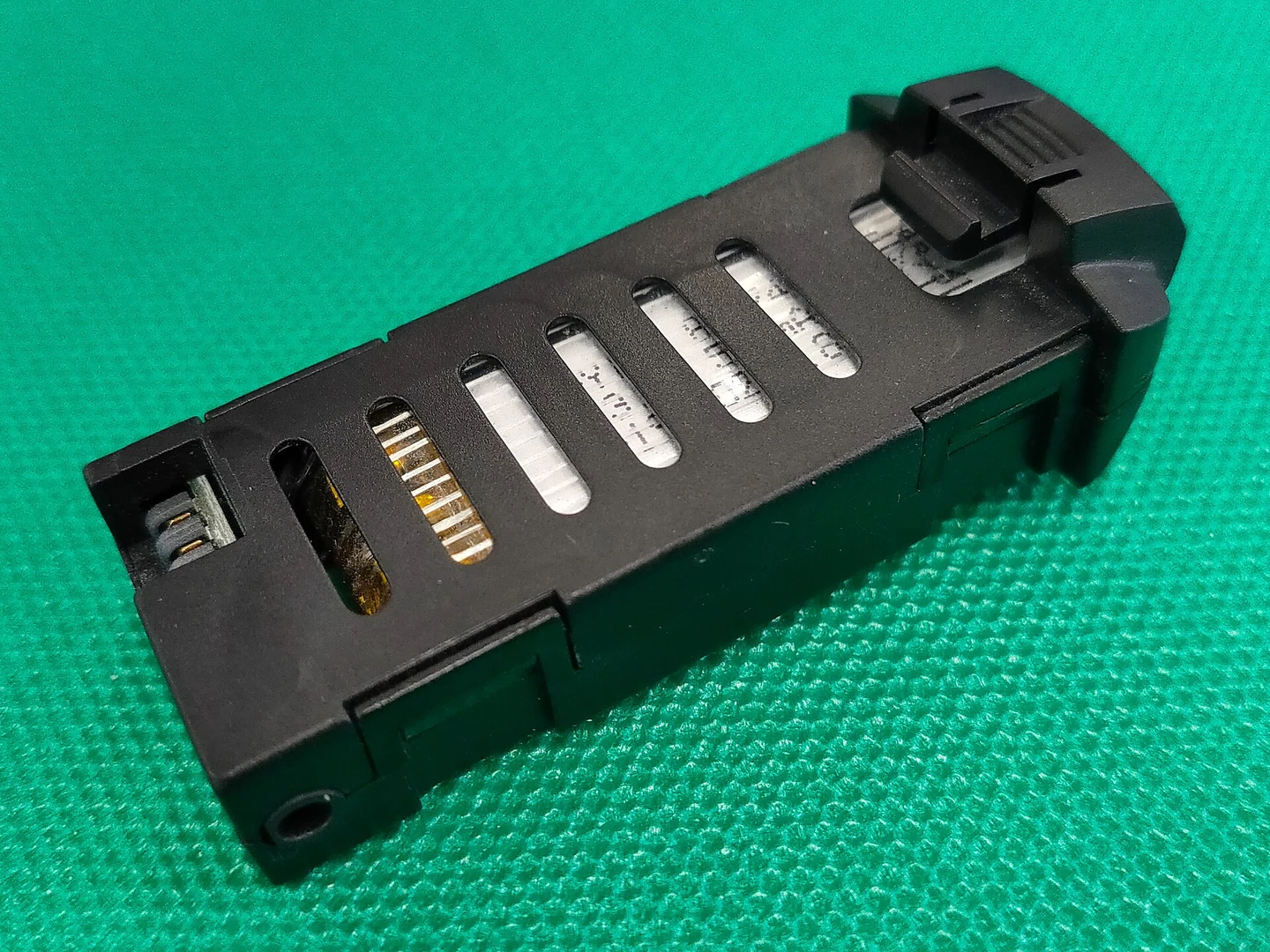
A model name is insufficient when several batteries have different histories. Give each unit a readable identity without violating manufacturer requirements. Link it with flights, inspections, and relevant handling records. This need not create complicated administration; it ensures readiness is not based on assuming identical appearance means identical condition. Traceability also helps a technician locate the unit involved in a reported event. The record should survive staff changes and project changes, so evidence remains useful beyond the memory of the person who handled the battery.
Follow the documentation for the actual type
Charging, storage, transport, and suitability must follow the battery and aircraft documentation. Do not transfer values or methods from another product because connectors look similar. This article concerns process organisation, not universal electrical instructions. Identify the applicable documents and technical responsibility. A changed battery arrangement also requires review of compatibility, mass, distribution, and relevant measuring settings. Successful connection alone does not complete that assessment. Make the accepted arrangement visible to the field team before it is used to support routine survey scheduling.
Connect records with real missions
Record battery identity, aircraft, mission, time, and relevant observations. This allows fairer comparisons: an energy difference might arise from payload, route, or wind rather than the battery. Avoid conclusions from one final value without event context. Link operator reports with logs and inspection findings. The manager can then request useful additional information. Connected records reduce both unnecessary replacement based on an impression and the risk of overlooking a repeated pattern because evidence has been split among unrelated project folders.
Organise charging as a separate process
Charging must use manufacturer-defined equipment and conditions. Establish responsibility, identity checks, and readiness recording. Placement near a charger does not mean completion. Arrange the workspace so different states are distinguishable without guessing. Changes to charging configuration require appropriate understanding and approval. Record findings and allow realistic time rather than rushing between relocations. This makes the charging workflow dependable for planning and gives technical staff context if a later mission reveals behaviour that requires further assessment.
Separate ready and pending status
The team needs a clear distinction between available units and those awaiting assessment. Use suitable grouping or marking and prevent unresolved items from rejoining ready stock. Authorised technical decisions should include actions and acceptance evidence. Status supports realistic scheduling: total inventory does not equal usable capacity. Without this distinction, a field plan may appear adequately equipped even when some units cannot be assigned. A visible status also prevents another team member from reversing a pending decision simply because the reason was never recorded.
Include transport and storage
Non-flight conditions still matter. Follow manufacturer instructions and applicable transport requirements for the device and journey. Ensure packaging, arrangement, and documents fit the task rather than copying habits from a previous project. Record unusual handling and required post-transport checks. Assign storage responsibility and maintain location and identity records. This avoids forgotten equipment with uncertain status and last-minute searches. Planning should also preserve the separation between units awaiting review and those accepted for use after the relevant checks have been completed.
Read measurements in system context
Aircraft values depend on measuring hardware and settings. If a difference is unexplained, review its source with technical personnel. An available graph is not automatic proof of correct measurement for the current setup. Connect it with battery identity and aircraft changes. This helps distinguish battery, sensor, and mission-profile issues. Keep assumptions when records inform planning updates. A defensible estimate explains its evidence rather than shortening or extending expected flight time from one isolated experience whose configuration is not fully known.
Plan the complete working day
Connect mission numbers with genuinely ready batteries, approved charging activity, and travel time. Do not assume every inventory item is always available. Include checks, handling, and changed schedules. Use project records to improve estimates and identify assumptions needing evidence before commitments are made. Supporting equipment can then be planned early. This reduces pressure to compensate for an unrealistic timetable through hurried handling decisions on site and helps the field team understand which workload can be supported by the actual available configuration.
Review patterns and improve the process
Periodic review can identify usage patterns, findings, and logistical obstacles. Suitability still follows relevant documentation and technical judgement, not an automatic rule based solely on age or cycles. Check whether identities are readable, status is updated, and missions link to the correct unit. Administrative mistakes can undermine technical evidence. Improve the format with the staff using it. Good battery management connects equipment, procedures, flight data, and work plans so readiness decisions remain explainable and consistent, even when several teams share the same inventory.
Illustrative case: planning from battery status rather than inventory
Imagine a hypothetical survey schedule prepared from the organisation's battery inventory. The equipment lead notices that the inventory count includes units with different recorded statuses. Instead of assuming they are all available, the team links each identity with its inspection history and applicable manufacturer procedure. Units awaiting assessment remain visibly separate from equipment accepted for use. The planner then revises the daily workflow around actual readiness, approved charging arrangements, handling tasks, and expected relocations. The operator and technical lead review energy assumptions against the aircraft and payload configuration rather than copying a previous project's timetable. Mission records are prepared to identify the battery used, making later comparison meaningful. If an observation needs technical follow-up, the unit's status is updated before another person assigns it to work. This scenario is explicitly hypothetical and supplies no charging values or suitability thresholds. Its output is an accountable capacity plan supported by identities, records, and responsibilities. The manager can explain why the nominal inventory is not the same as usable field capacity, while the next team can verify readiness without relying on where a battery happens to be placed or what a colleague remembers.
The scheduler may redistribute work across the available accepted equipment, or revise the timetable while the required technical assessments are completed. The choice does not authorise a different charging method or a reduced suitability standard. Handoff evidence includes a status list linked to unit identities and a clear owner for unresolved findings. The next operator can verify the planned assignment against that list before starting preparation. Acceptance of the daily plan therefore depends on real availability and documented handling responsibilities, not on an inventory total that conceals equipment still awaiting review or completion of the approved process.