Connector Retention and Intermittent Drone Electrical Faults
Investigate intermittent electrical faults through connector identity, contact condition, strain relief, mating history, and documented verification.
Record the circuit before separating components
An intermittent reset or missing sensor can disappear before a technician reaches the aircraft. Preserve the event time, affected devices, power state, and recent handling. Draw the relevant circuit with connector identities instead of labeling every small plug as identical. A photograph before disconnection can retain routing information that would otherwise be lost. This establishes a usable starting point without prematurely assigning the fault to the most accessible connector.
Distinguish mating appearance from retention
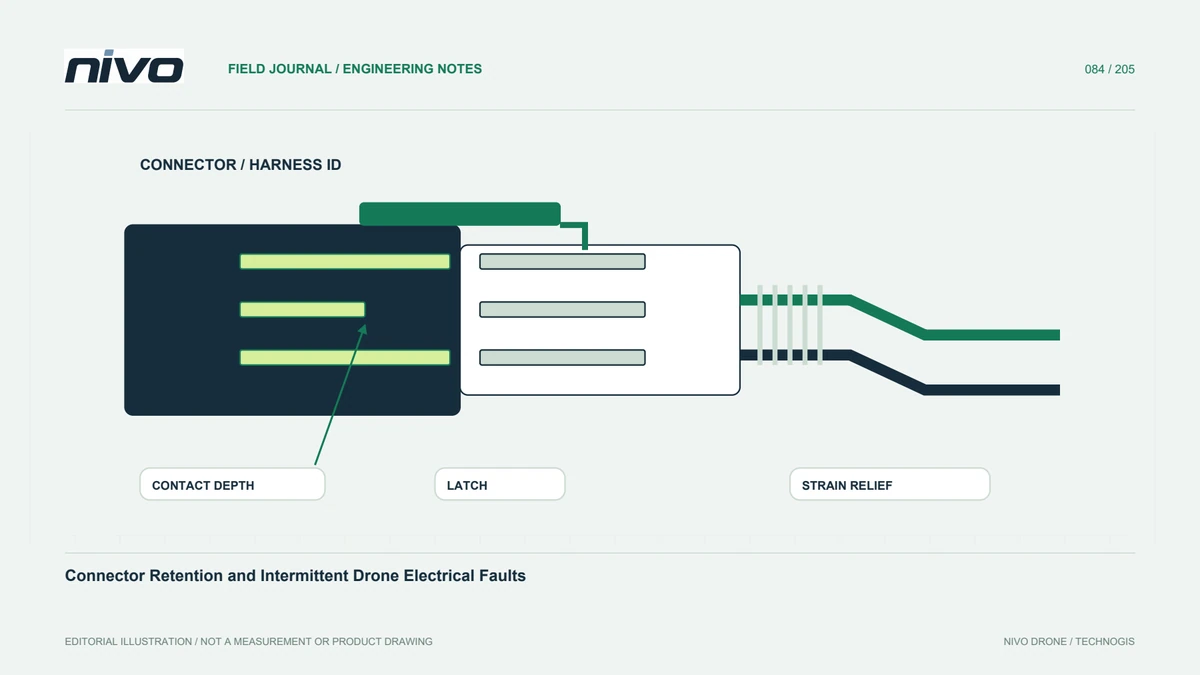
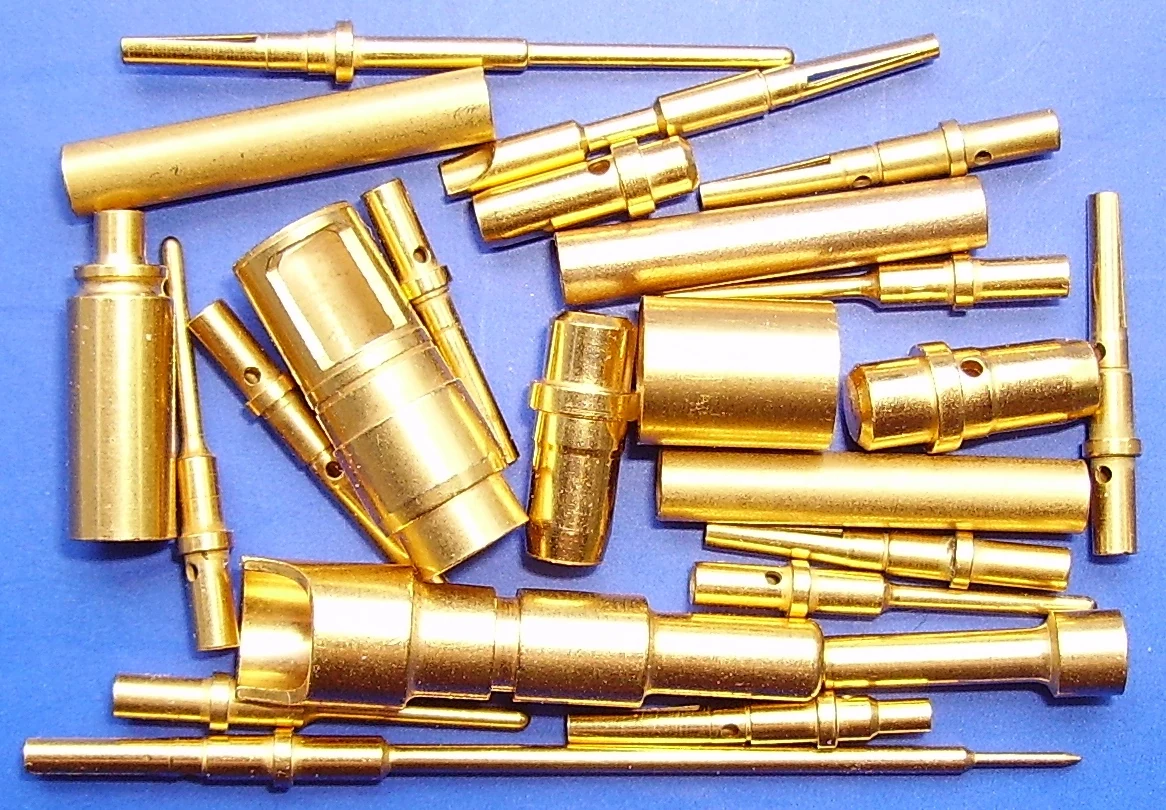
A housing that looks connected does not establish that every contact is correctly retained. Inspect accessible condition according to the connector and aircraft instructions, noting damaged locks, recessed contacts, contamination, and distorted housings. Do not insert improvised tools or pull individual wires to invent a retention test. Specialized contacts can require specific handling. Preserve any removed assembly for technical examination rather than immediately discarding evidence after replacement.
Review strain relief and movement
A cable may transmit force into a connector when the airframe is assembled, a cover closes, or a payload moves. Compare routing in those real arrangements while following maintenance precautions. Identify unsupported sections, tight bends, and contact with removable parts. A bench layout with every cover open may hide the installed problem. Document the geometry that produces the observation so corrective work addresses the loading path rather than appearance alone.
Avoid uncontrolled fault reproduction
Repeatedly flexing a powered harness can create damage or obscure the original condition. Competent personnel should define permitted isolation and measurement methods using the applicable documentation. Record the intended question before replacing several components together. If the symptom disappears, that result needs interpretation: it may follow a changed contact, changed routing, or another disturbance. A successful restart is useful evidence, but it is not an explanation of the failure mechanism.
Verify the repaired installed arrangement
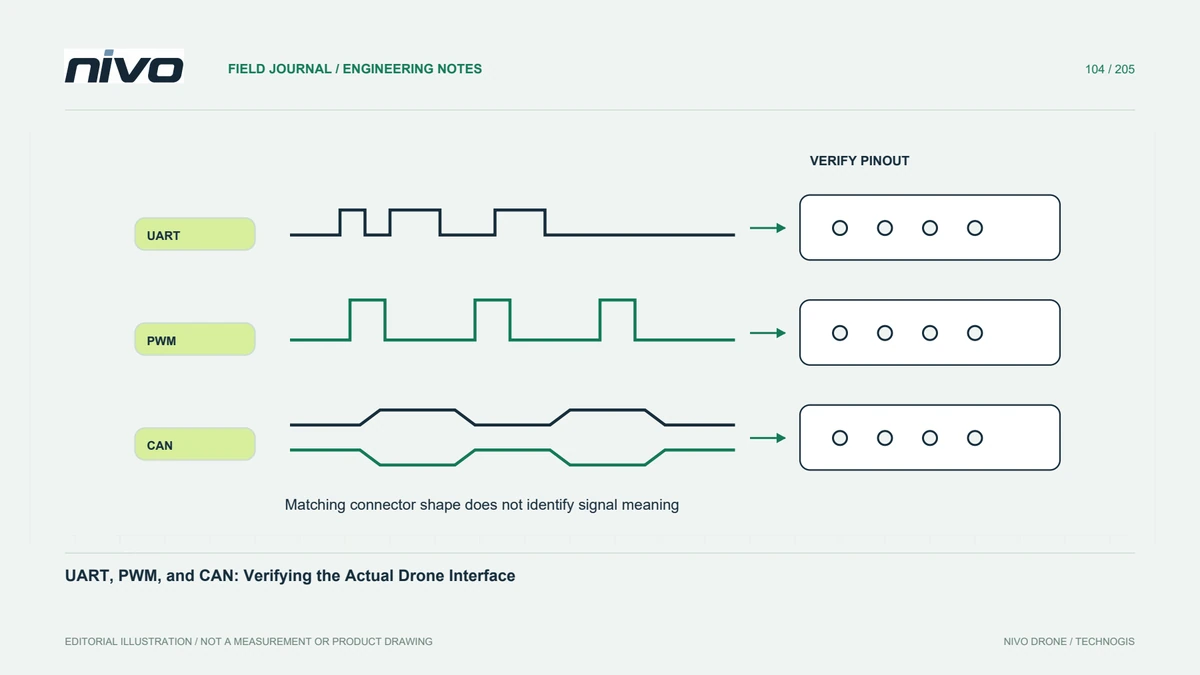
Acceptance should reflect the complete configuration, including covers, payload access, cable support, and the devices using the circuit. Retain inspection findings and the procedure used to establish the repair. Check whether adjacent circuits were disturbed during work and require their own review. Do not infer compatibility from a plug fitting mechanically. Pin functions, electrical requirements, and device documentation must support the actual connection used on the aircraft.
Keep a harness history
Link replacements, mating cycles where tracked, handling incidents, and recurring faults to the aircraft and harness identity. Provide technicians with clear photographs and version information for future assembly. A repeated issue across several units may justify a broader installation review rather than isolated replacements. This history helps NiVO service discussions separate device faults from connection problems and gives fleet managers evidence for practical spare-harness decisions without assuming universal interchangeability.