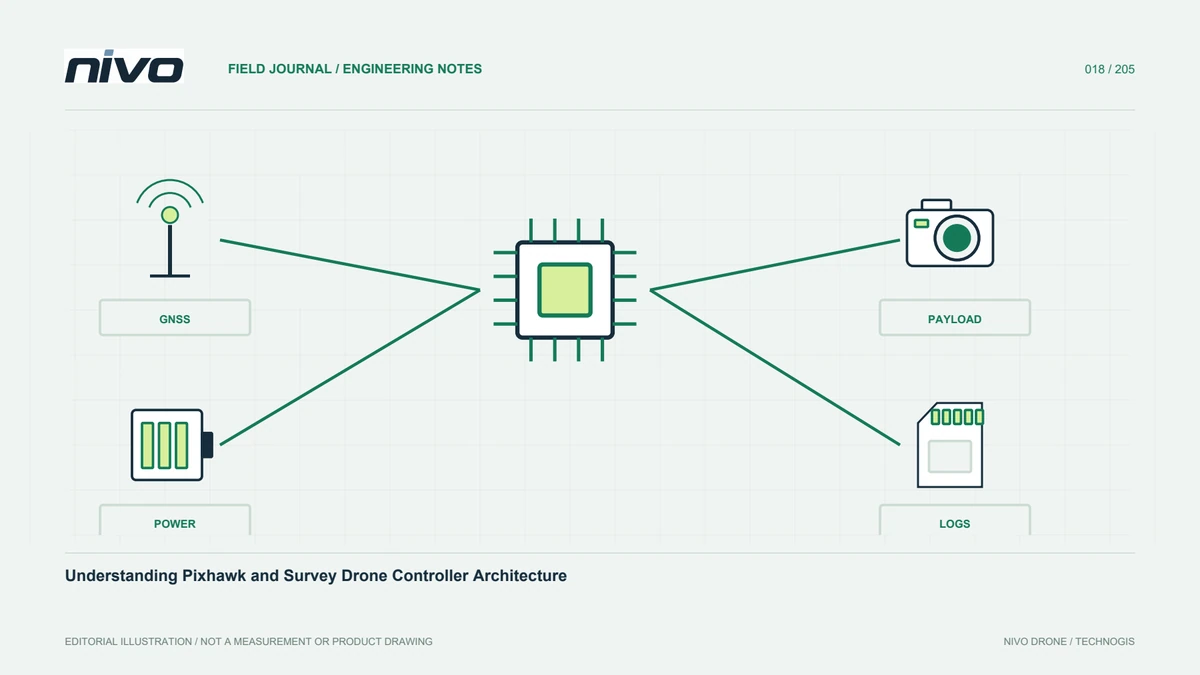
Understanding Pixhawk and Survey Drone Controller Architecture
Distinguish Pixhawk standards, controller products, firmware, sensors, payload interfaces, power arrangements, and integration evidence in a drone mapping system.
Clarify what the name describes
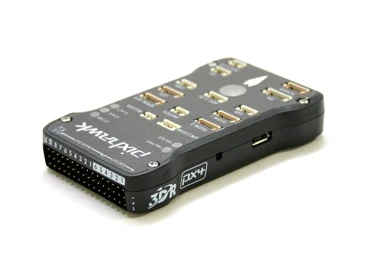
Pixhawk's official site describes open standards for drone hardware. Actual products still need identification by model and documentation. An ecosystem name does not mean every board has the same connectors or limits. Ask what is installed and how it is integrated. Model identity, component relationships, and acceptance evidence separate a standards reference from an untested product claim. This is useful even for buyers who will never design a controller, because it defines what the supplier is responsible for delivering and supporting.
Separate the board and firmware
Hardware and software provide different parts of the control system. Both must suit the aircraft and sensors. Replacing either can require wider review. A powered board is not proof of flight readiness: orientation, connections, settings, and functional checks matter. Procurement discussions should explain these layers clearly. This lets the team route an issue to the right technical responsibility instead of calling every problem a Pixhawk fault. It also prevents assumptions that a shared controller name guarantees an identical accepted configuration across several aircraft.
Understand sensor relationships
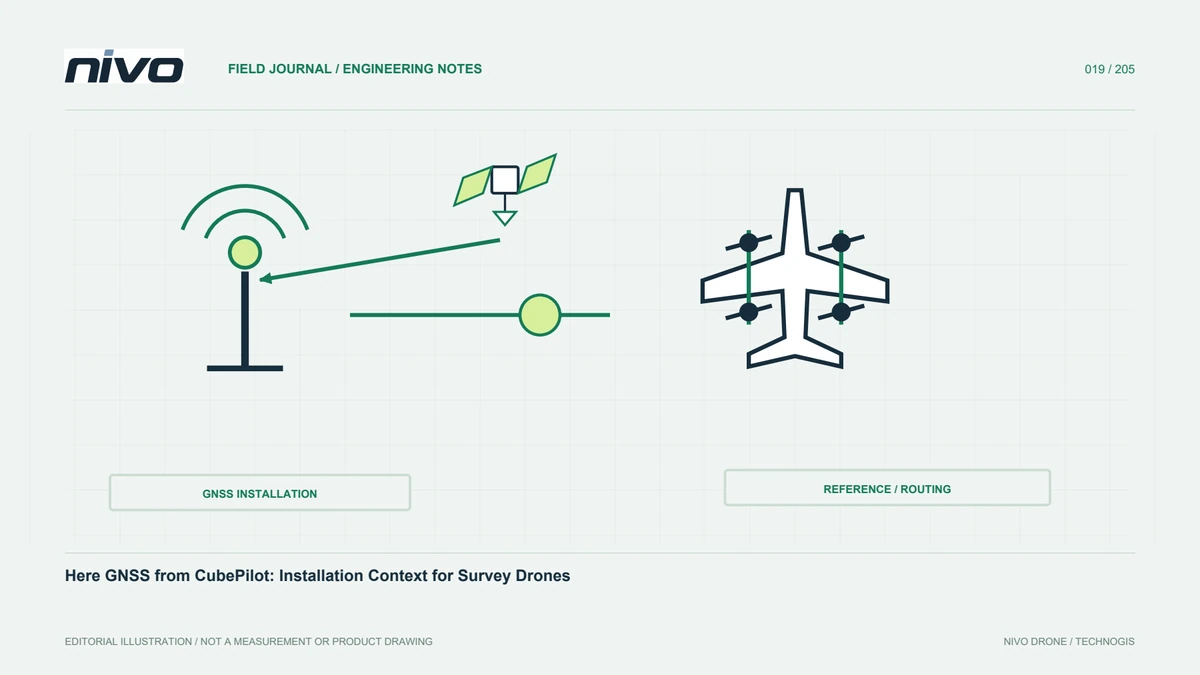
An aircraft may use onboard and external sensors, including GNSS sources. Identify the actual arrangement rather than treating a board's catalogue sensor list as the whole aircraft system. Location, orientation, wiring, and settings are integration concerns. Document them so replacement does not erase important knowledge. Knowing the source of a value helps investigation when an operator reports a difference. Otherwise, a display or downstream device may be blamed for information originating elsewhere, making troubleshooting slower and encouraging unnecessary changes.
Review the exact interfaces
Similar connectors do not establish identical functions or electrical compatibility. Use the board and device documentation rather than wire colour or experience with another model. A connection list should identify the port, device, and purpose. This matters when adding payloads, telemetry, or GNSS. An accurate diagram supports inspection and transport reassembly. This article provides no pinout or connection instructions because those require the actual equipment and competent technical work. The general requirement is traceability of an approved connection, not experimentation based on appearance.
Assess the complete power arrangement
The controller belongs to a wider power architecture. Supporting devices, measurement, and sensors need combined assessment. Do not add a load or use an unreviewed supply merely because a device turns on. Record which paths and devices depend on each other. Battery, payload, or distribution changes can need broader review. Understand the source of ground-station power values. Those measurements become more useful when the team can connect them with the hardware and settings actually generating the information on the current aircraft.
Include mechanical installation
Controller location, orientation, and mounting must follow the design. Being inside the airframe is not enough. Keep the relationship with structure and wiring traceable. Removed components need approved reinstallation checks. Do not add material or alter a mount as an unreviewed temporary fix. Stable component relationships support data interpretation and log review. Good installation records help separate mechanical changes from software changes when investigating a reported event. They also reduce uncertainty when different technicians work on the same aircraft at different times.
Standards do not replace acceptance
Standards can support interoperability, but complete configurations still need specific assessment. Suitability at one layer does not prove all aircraft and payload requirements are met. Link needed functions with evidence: a camera event workflow requires more than the existence of a port. Agree integration and support responsibility after delivery. This makes clear whether added equipment belongs to the accepted configuration or remains new engineering work. Users can then plan realistically instead of assuming that general compatibility implies a finished and supported implementation.
Track versions and replacements
Record the board identity and configuration with the aircraft. Replacement is not merely administration, even when the model looks identical. Follow configuration transfer or recovery procedures and subsequent checks. Keep change evidence with the unit. For hardware revisions, use documented differences instead of visual guesses. Clear names support remote assistance because staff can identify the relevant equipment immediately. They also preserve component history when a fleet has multiple similar units, preventing the accepted state of one being inadvertently assumed to apply to another.
Ask outcome-oriented questions
Ask how the architecture supports the agreed survey: recording, GNSS relationships, payload integration, and change management. Users need not design hardware, but should know what they receive and how support works. Do not judge the whole system from a standard's name. Configuration evidence and repeatable tests provide a clearer basis. In the NiVO ecosystem, controller discussion belongs with aircraft and payload selection, connecting the chosen technology with geospatial outputs. This keeps procurement focused on demonstrated project capabilities and on limitations that remain relevant after delivery.
Illustrative case: assessing a controller replacement as integration work
Consider a hypothetical maintenance proposal to replace an aircraft controller with a product associated with the same hardware ecosystem. Its connectors appear familiar, encouraging the assumption that the replacement is purely administrative. The integrator instead identifies the exact board model and revision, supported firmware, and the aircraft's accepted sensor and power arrangement. Connection functions are checked from the relevant device documentation rather than inferred from connector appearance or cable colour. The review also considers mounting orientation and the records needed to interpret subsequent logs. No wiring instructions are improvised from a general standards diagram. The change plan specifies configuration transfer, verification responsibilities, and appropriate acceptance evidence before the aircraft returns to routine assignment. The operator receives an updated unit record, while the processor is told about any relevant recording differences. This example is hypothetical and does not assert compatibility between unspecified products. It shows why a standards name and a powered board cannot substitute for complete system assessment. The resulting documentation makes clear which arrangement has been accepted and which earlier evidence still applies, allowing future support to distinguish hardware identity, firmware behaviour, and aircraft-level integration without treating them as the same question.
A documented replacement within the accepted design and a broader controller redesign are different scopes of work. The maintenance plan must state which one is proposed, including what earlier evidence can reasonably be retained. The handoff identifies board revision, firmware reference, connection documentation, mounting state, and the verification actually performed. If the project is broader than a like-for-like replacement, that additional assessment remains visible in the schedule. Acceptance is not inferred from a standards logo or familiar connector layout. It is established for the resulting integrated arrangement, with enough evidence for future technicians to understand its boundaries.