ArduPilot and Configuration Management for Survey Drones
Understand the relationship between ArduPilot, hardware, parameters, firmware versions, change records, and acceptance evidence in a professional survey configuration.
Separate software from hardware
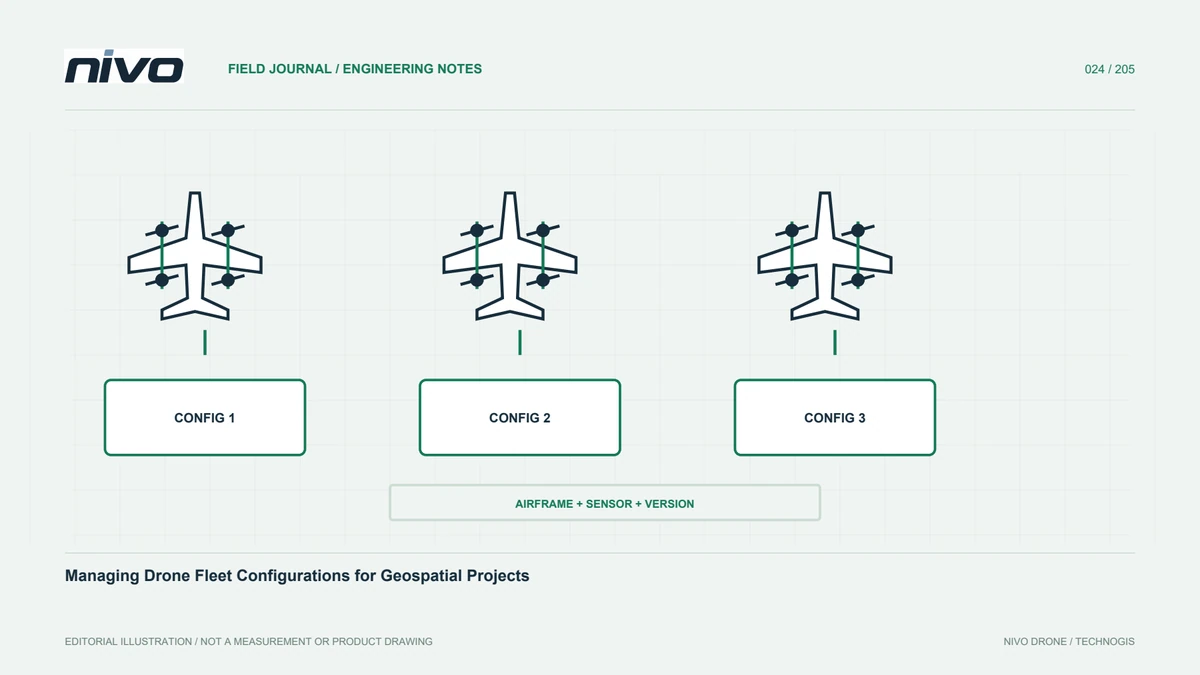
ArduPilot is autopilot software within an ecosystem supporting different vehicles. It is not one controller model or one aircraft. Behaviour depends on hardware, firmware, parameters, sensors, and integration. Saying a drone uses ArduPilot does not explain all accepted capabilities. Ask for configuration identity and evidence. A function available in general documentation should not automatically be presented as operational on every aircraft using the software. This distinction lets buyers and operators ask useful questions about what has actually been supplied and tested.
Treat parameters as configuration
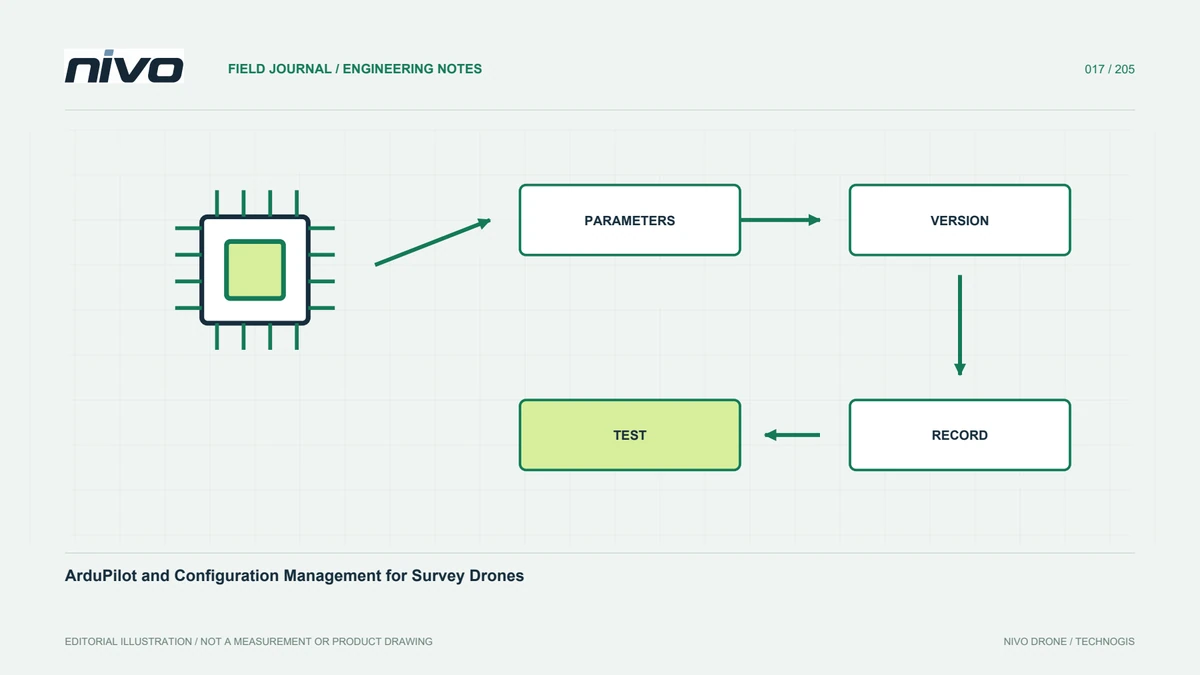
Parameters affect system functions and require assessment by people who understand the aircraft. Do not copy settings from a similar airframe without checking sensors, orientation, power, and firmware. Define an accepted baseline and preserve it. That reference supports troubleshooting and replacement. Orderly records distinguish a justified adjustment from an accidental change. They also allow the next operator to confirm the intended state without relying on a colleague's recollection of how the aircraft was configured for a previous project.
Use version-appropriate documentation
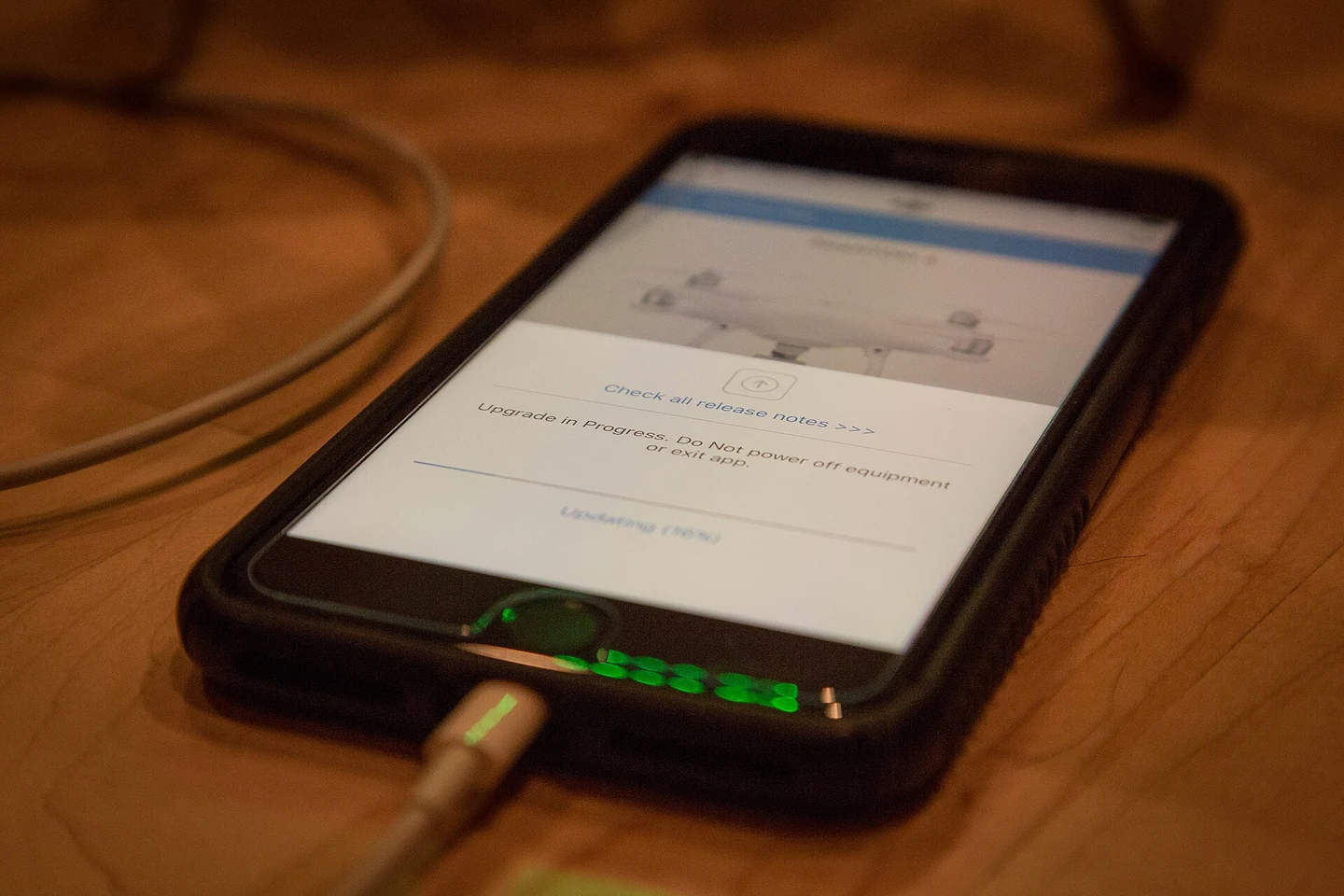
Software documentation changes over time. Confirm that parameter and function information matches installed firmware. Similar names do not prove identical behaviour. Record the version and review release information when an update is proposed. This article offers no operating parameter values. General references explain terminology; the aircraft manual and technical authority govern setup. Keeping those roles distinct prevents an internet example becoming a substitute for configuration-specific acceptance. It also makes support discussions more precise because both parties can consult the correct revision.
Preserve the state before changing it
Retain the earlier configuration, reason, date, responsibility, and planned assessment. Do not replace the only reference copy without history. Even a small adjustment may affect operation or interpretation. Link changes to the correct unit so one aircraft's file is not assumed valid for the fleet. Clear records answer what changed with evidence instead of memory. This is especially useful when several people provide support, since each person can see the previous actions and avoid unknowingly repeating or reversing an unresolved intervention.
Separate project planning from the baseline
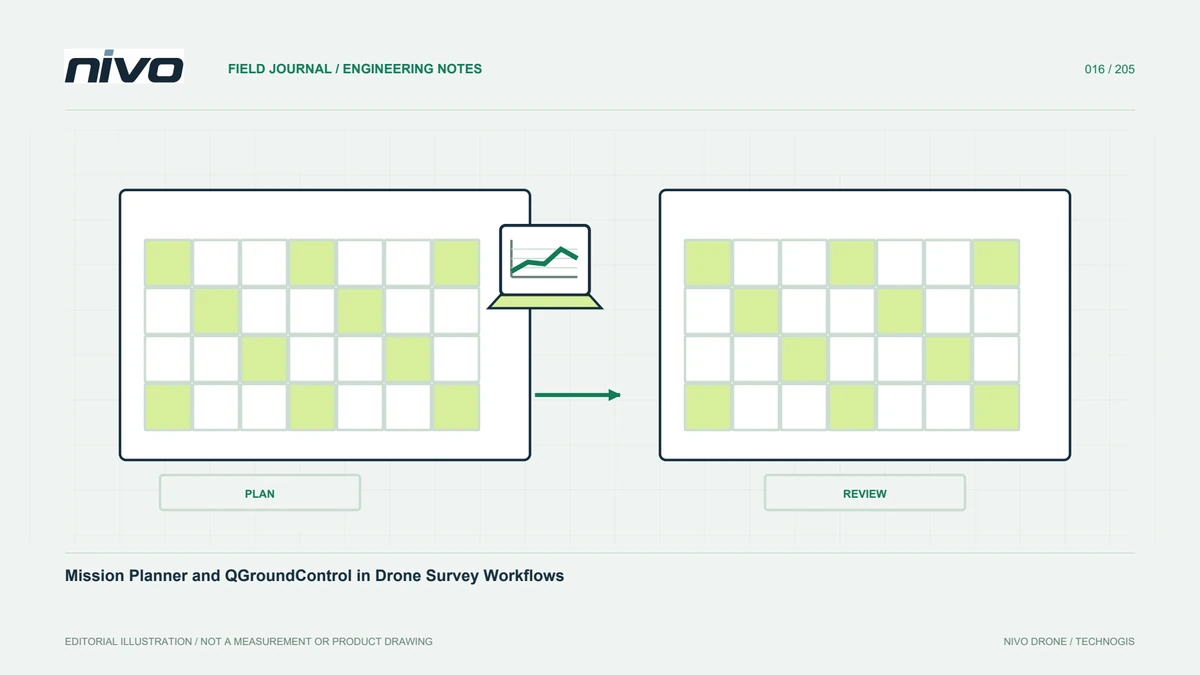
A new survey boundary or block division does not necessarily require base-parameter changes. These may belong to mission planning rather than aircraft setup. Conversely, a changed payload can need a wider configuration review. Link the documents so the decision remains visible in context. Assign responsibility when one change affects several areas. This preserves consistency without preventing valid project adaptation. It helps staff understand whether an adjustment applies only to a particular mission or represents a new accepted state of the aircraft itself.
Test the functions actually required
ArduPilot has extensive capabilities, but acceptance should address the functions needed by the supplied arrangement and project. Define objectives, approved methods, evidence, and criteria. Do not enable a function merely because it exists without reviewing the consequences. Tests may link mission, sensor events, and delivered files, with flight execution remaining under the manual and operator. Name the unit, version, and installed devices. A generic statement that testing succeeded is weaker than a clear record showing which configured functions were demonstrated and how their results were assessed.
Use logs to evaluate approved changes
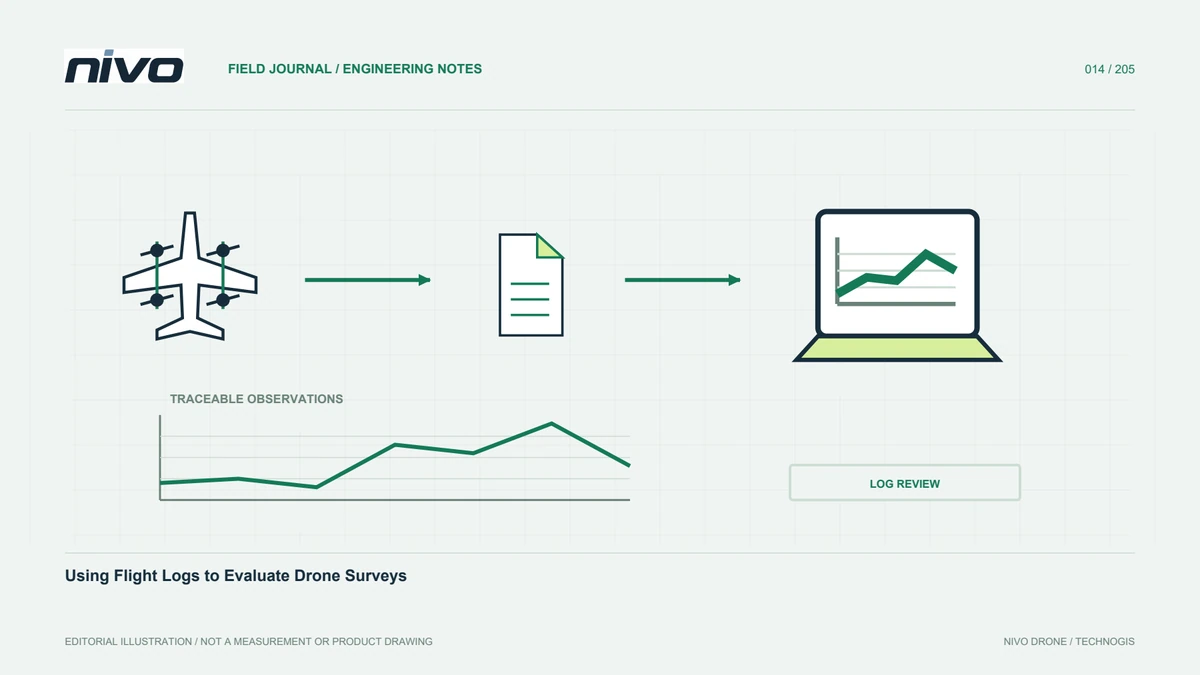
Start from the change objective and choose relevant records. Do not search for a graph that simply appears improved. Compare appropriate conditions and state differences. Sensor output and operator notes can reveal consequences for surveying. If results remain unexplained, avoid stacking more changes on top. Separate observations from possible causes and decide the next technical action through evidence and procedure. This keeps production equipment from becoming a platform for undocumented trial and error while still allowing structured investigation of a genuine issue.
Control undocumented adjustments
Define configuration responsibilities, the current source of settings, and the path to request change. This need not slow work: prepared information often speeds assessment. Avoid generic filenames without unit or version identity. Remote support needs the same records as local work. A temporary adjustment should not become an unknown permanent state. Clear communication allows the operator to know which setup is approved, and allows the technical team to see whether later behaviour relates to a documented change or another difference in the system.
Maintain a living baseline
Update the baseline after approved changes are accepted, while preserving history. Link versions with missions and data so repeated surveys remain explainable. Training must match the actual configuration instead of old screenshots. ArduPilot documentation is useful, but operational value depends on managing the specific integrated system. A living reference connects software, aircraft, payload, and project objectives. It supports required functions and their limits, helps investigation, and gives future users a reliable starting point even when the original integration personnel are no longer present.
Illustrative case: rejecting an untraceable parameter file
Imagine a hypothetical support request in which an aircraft configuration file is supplied with a reassuring name but no unit or firmware identity. Someone suggests loading it because a similar aircraft used it successfully. The responsible technical person first preserves the current accepted state and asks what the proposed file is intended to change. The comparison considers actual hardware, sensor orientation, payload integration, and applicable software documentation. Where the reason for a difference cannot be established, the file is not treated as an accepted replacement merely because its name implies readiness. An approved change request identifies the specific objective, responsible reviewer, evidence, and assessment process. Mission-boundary edits remain separate from baseline settings so project planning does not become an uncontrolled configuration change. After any authorised work, the resulting state and required checks are recorded against the actual unit. This illustrative scenario provides no parameter values or operating sequence. Its value is the preserved chain between the original state, justified intervention, and acceptance evidence. The next support person can see what was changed and why, rather than inheriting a collection of apparently final files whose relationships cannot be reconstructed.
Retaining the known accepted baseline can be appropriate while the proposed difference is investigated. A justified update can also proceed once its purpose and assessment are clear. Neither option requires treating the unknown file as authoritative. The handoff compares the approved before-and-after states and links the relevant evidence to the specific unit. Any temporary condition has an explicit status rather than disappearing into a filename. A future reviewer can then distinguish a deliberate accepted change from a project edit or an unresolved suggestion, which is essential when several people provide technical support over time.