Planning Agricultural Drone Cleaning and Maintenance After Work
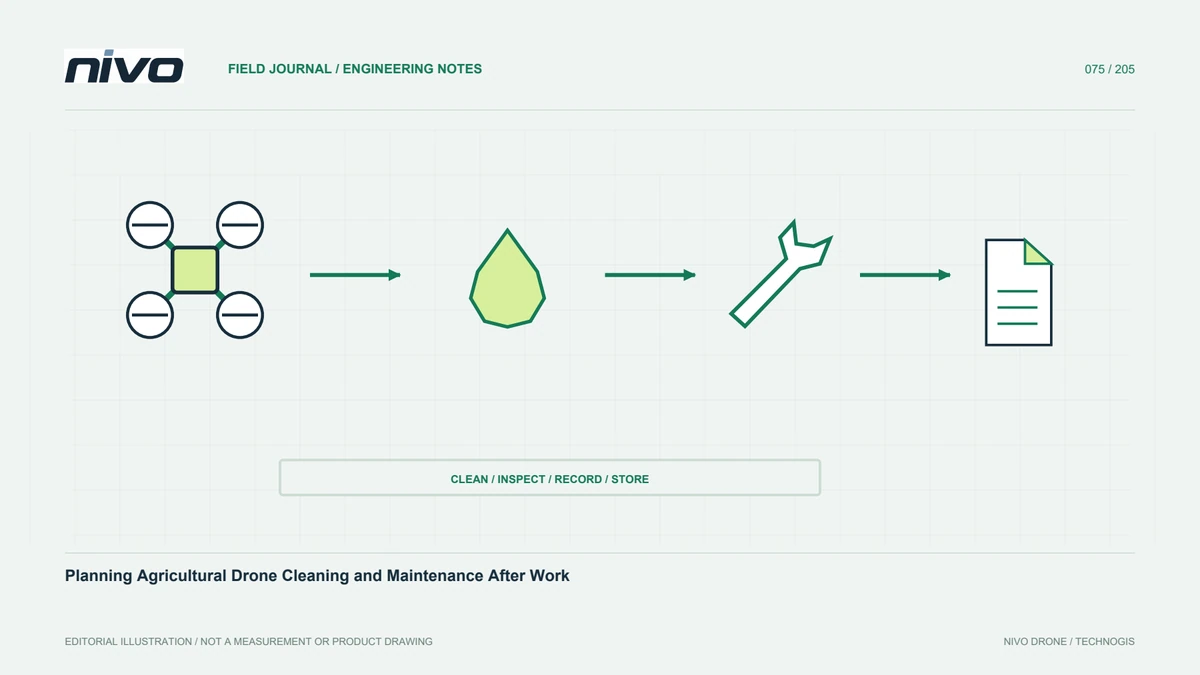
Plan agricultural-drone care around device guidance, material records, suitable facilities, component checks, energy handling, readiness status, and traceable follow-up.
Plan care before operations begin
Agricultural-drone cleaning and maintenance belong in the daily work design, not as an afterthought when everyone wants to leave. Arrange time, facilities, people, and relevant device and product instructions. Detailed methods must follow applicable manufacturer guidance because materials and components differ. One field habit is not a universal procedure across variants. Planning allows the day to end with known equipment status and a clear review before the next task. It also preserves records needed when condition changes or technical problems emerge later.
Keep task and material identities
Record the device, parcel, date, products used, and information needed for subsequent handling. This matters when a unit moves to another job or product. Do not rely on memory for payload history. Maintenance staff need readable identities rather than guesses about formulations. Follow relevant labels and official guidance, avoiding unapproved cleaning mixtures. Resolve incomplete information before an unsuitable intervention. Traceable materials and activities create a stronger basis for cleaning, inspection, and return-to-service decisions than an undocumented assertion that the unit was handled in the usual way.
Prepare an appropriate area and sequence
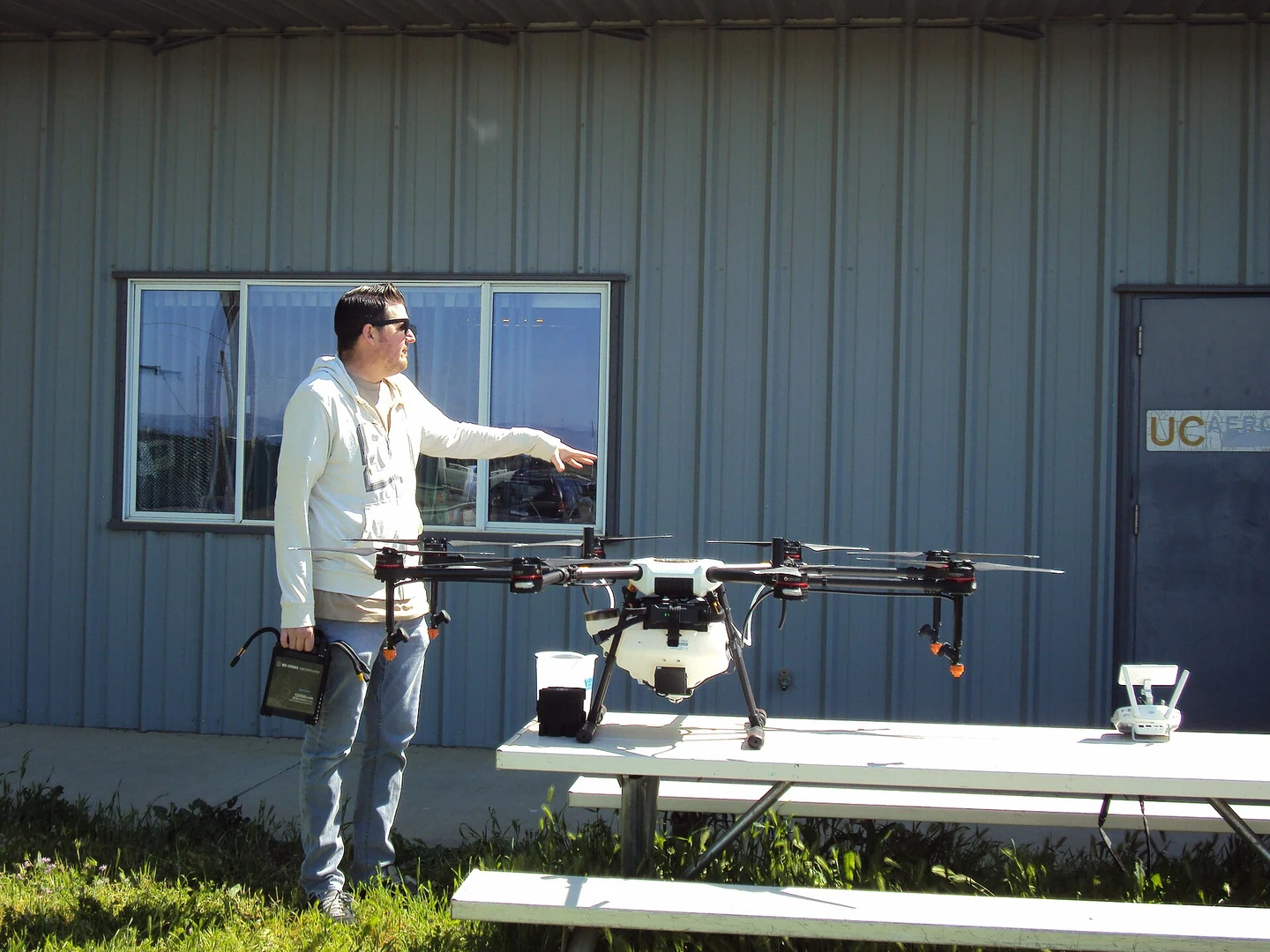
The maintenance location must support requirements for the equipment, materials, and workplace. Determine space, supplies, residual handling, and responsibilities through relevant guidance; small apparent quantities do not make every location suitable. Organize a sequence that keeps completed parts from being confused with unchecked ones. Define who confirms completion. This article does not prescribe a disposal method or chemical cleaner: those choices depend on the actual products and applicable requirements. Suitable preparation reduces improvisation and gives the team a repeatable process that can be documented.
Separate application-system and vehicle attention
Tank, lines, filters, pumps, and application components need model-specific attention, while structure, motors, connectors, and electronics have other inspection requirements. Do not assume one cleaning method suits the entire unit. Understand material and protection limits. A clean exterior does not replace required mechanical or functional checks. Document work by system so later faults can be investigated. If leakage, damage, or unusual behavior appears, mark the status and follow the technical process before reuse rather than declaring readiness from appearance alone.
Check parts that are easily overlooked
Build the checklist from device documentation and evaluated operating experience. Include relevant connections, access points, fasteners, cables, and areas retaining contamination. Do not dismantle beyond approved procedures or team competence to accelerate inspection. Record specialist access or technical work still needed. Compare condition against an accepted reference, not simply an impression that nothing major is wrong. Repeated small changes can reveal developing issues. A targeted check grounded in actual observations is more useful than a lengthy form marked complete without examining the equipment it describes.
Handle energy and storage according to guidance
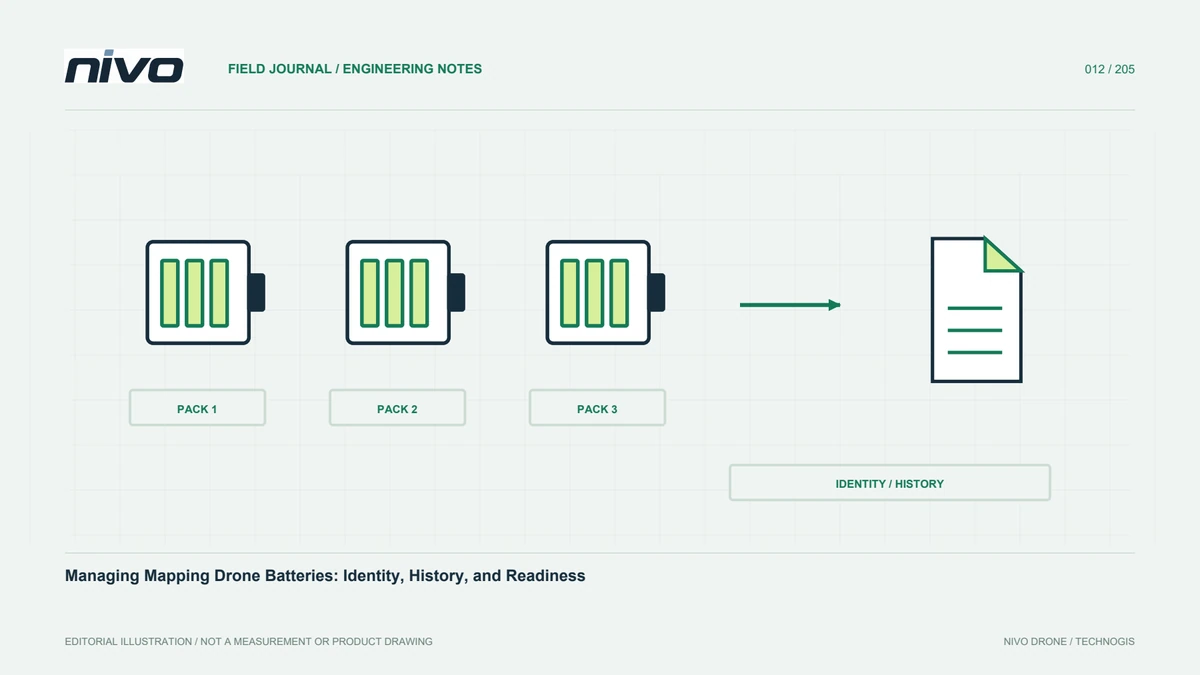
Battery and charging arrangements must follow instructions for the actual equipment and condition. Do not transfer habits from another battery type or model without confirmation. Keep battery history identifiable separately from cleaning records. Review relevant information before charging, transporting, or storing. Unusual conditions require appropriate marking and technical review. Plan storage around manufacturer and workplace requirements. Fleet readiness can depend on one battery or support component even when the aircraft appears fully maintained, making energy status an important part of the complete operating system.
Use records to establish readiness
Give each unit an understandable status, such as awaiting care, under inspection, requiring technical follow-up, or ready after required checks. Record dates, personnel, actions, and relevant findings. A vague completed label does not show which requirements were met. Link replacements and setting changes to equipment identity and their reasons. The next operator can then recognize additional pre-task checks. Consistent simple records prevent differently prepared units from being mixed in a fleet's ready list. Decision clarity matters more than a sophisticated form that nobody uses operationally.
Plan changes between products and assignments
A different product or task may require handling determined from the relevant official information. Visibly clear rinse liquid does not establish suitability for every later use. Follow instructions for system parts and verification. Keep the new assignment distinguishable from prior history. If readiness for the next use cannot be established, reschedule or select another unit through the responsible process. Include transition time and resources in capacity planning. A realistic plan reduces schedule pressure to skip necessary handling and protects the connection between maintenance evidence and the work the unit will perform next.
Improve procedures using repeated findings
Review records for recurring problems, impractical steps, or training gaps. Compare findings with known changes in products, sites, configurations, and work practices before blaming one component. Update procedures through suitable technical guidance and record the changes. NiVO Agrios consultation can include service access, spares, and post-task responsibilities. Effective care tells the team what condition the equipment is in and why it has its readiness status. Its value lies in repeatability and traceability, not merely finishing quickly after the final application of the day.
Illustrative case: maintenance readiness when the previous job is unclear
Consider a hypothetical agricultural-drone team preparing equipment for a new assignment. The unit looks clean, but its previous task record does not clearly identify the material used or the completed handling procedure. One suggestion is to repeat a familiar cleaning habit and mark the aircraft ready. The maintenance lead instead treats the missing history as a readiness question. The team locates the relevant equipment guidance and seeks the product information needed for appropriate handling without inventing a cleaning mixture or assuming that instructions for another unit apply. The work status remains explicit while that information is resolved.
The review separates application-system attention from vehicle, electronic, and energy checks. It records which tasks are completed, which require a qualified technician, and which depend on missing information. Staff do not dismantle components beyond their procedure or competence merely to accelerate the schedule. If the required readiness basis cannot be established in time, the responsible team compares rescheduling with using another appropriately prepared unit. That comparison includes support and documentation requirements rather than treating either option as an automatic solution. Previous records are preserved so that an unresolved history is not concealed by a new completion label.
Handover is approved when the next operator can identify the unit, understand its recorded status, see relevant actions and outstanding findings, and know who authorized return to use under the applicable process. A clean exterior alone is not the acceptance criterion. The revised daily plan assigns responsibility for material identity and post-task records before fieldwork begins. This hypothetical case illustrates how maintenance planning protects traceability and repeatability while avoiding unsupported chemical instructions, universal washing methods, or the assumption that schedule pressure can substitute for a defensible readiness decision.