Planning Application-System Calibration as a Documented Technical Test
Define calibration objectives, approved procedures, configuration identity, measurement records, distribution checks, and reassessment triggers before agricultural drone work.
Define the calibration question
Application-system calibration should test a relationship, such as whether the configured system delivers the output required by the approved task. It is not a marketing demonstration of how much liquid disappears from a tank. Agree the objective and acceptance basis with specialists and the equipment provider. FAO guidance discusses calibration and distribution checks, while Agrios work requires the current device procedure and applicable product instructions rather than a generic recipe from an article.
Identify the tested configuration
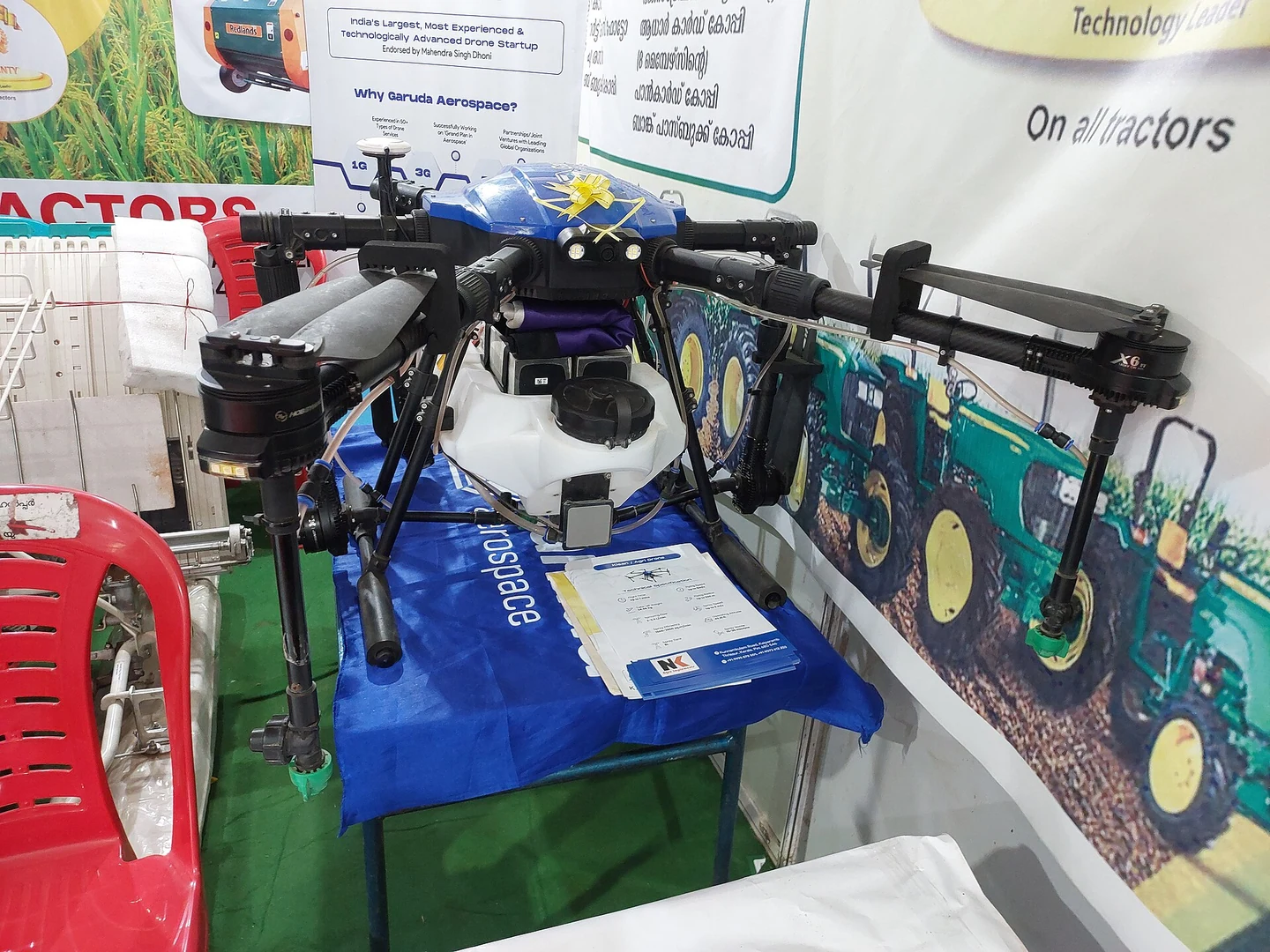
Record aircraft and application-system identity, relevant components, control settings, software or firmware, and measurement equipment. A result belongs to the configuration tested. Replacing a component or changing the method may require reassessment. Do not assume all capacities share the same application hardware or behavior. Obtain unconfirmed details from NiVO before planning the test. A clear configuration sheet prevents a valid observation from being reused as approval for an untested variant or accessory combination.
Use the approved test procedure
Follow equipment-specific guidance and suitable specialist methods for preparation, test medium, containment, measurement, and handling. Do not invent chemical mixtures or discharge instructions. Where an approved water-only procedure is appropriate, its scope and limitations still need documentation; it does not automatically establish performance with every product. Assign responsibilities and confirm that the test location and support arrangements meet the actual requirements before collecting measurements intended to justify operational use.
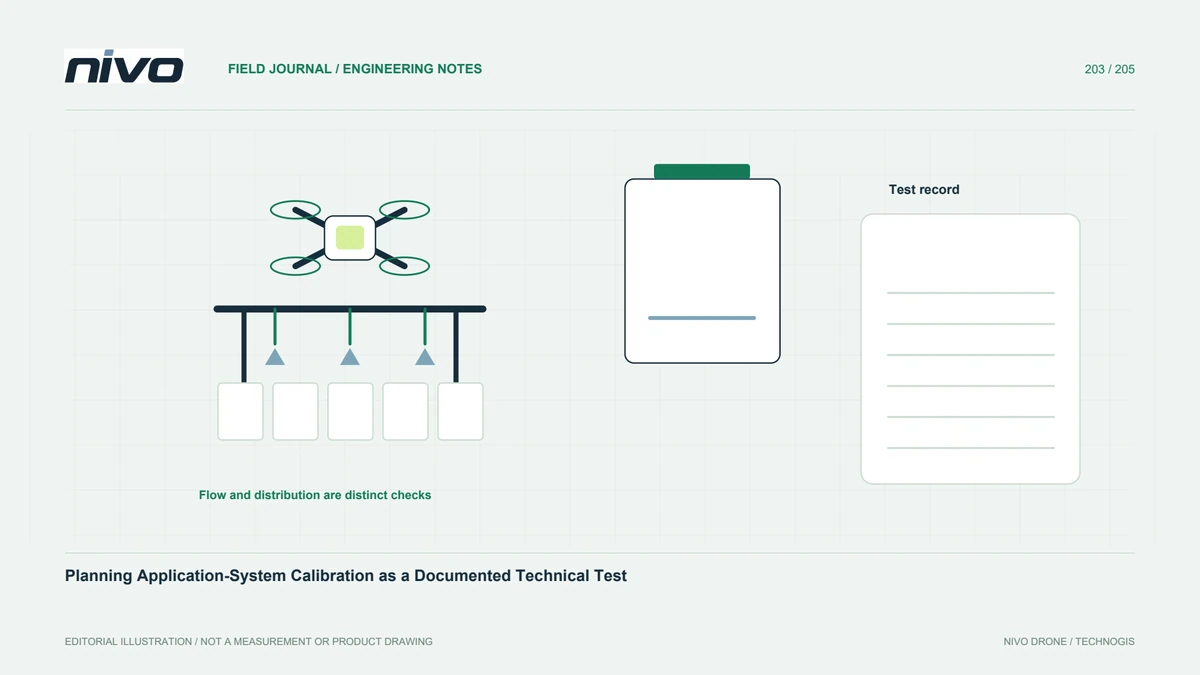
Keep flow and distribution distinct
A total-output check and a distribution assessment answer different questions. An acceptable overall volume does not by itself show that delivery across the intended work pattern is appropriate. The responsible specialist determines the required method and criteria. Record the observations, units, duration, configuration, and relevant conditions. Avoid declaring success from one convenient number while omitting another required check. Retain raw records so a reviewer can reproduce calculations and understand which parts of the system were actually evaluated.
Investigate discrepancies before adjustment
If observations differ from expectations, check measurement setup, units, configuration identity, and component condition through the technical process. Do not change several variables at once without recording them or select only the most favorable repeat. Preserve unsuccessful observations and the reason for each revision. A completed test should explain what changed and why acceptance became justified. If the cause remains unclear, keep the operating status explicit rather than treating calibration as a form that must always end in approval.
Define ongoing verification
Record acceptance, outstanding limitations, responsible approval, and the events requiring another check, such as relevant repairs or method changes. Use the applicable maintenance and technical guidance to determine the procedure. Link later work records to the accepted configuration and retain superseded results. Bring this evidence to NiVO Agrios support when questions arise. The useful outcome is a traceable, task-specific calibration basis, without implying universal application effectiveness, regulatory compliance, or identical performance for all products and field conditions.