Documenting Suspected Corrosion Without Claiming Material Loss from Color
Record discoloration and surface changes with context, readable detail, and verification status while separating photographic observations from corrosion-depth assessment.
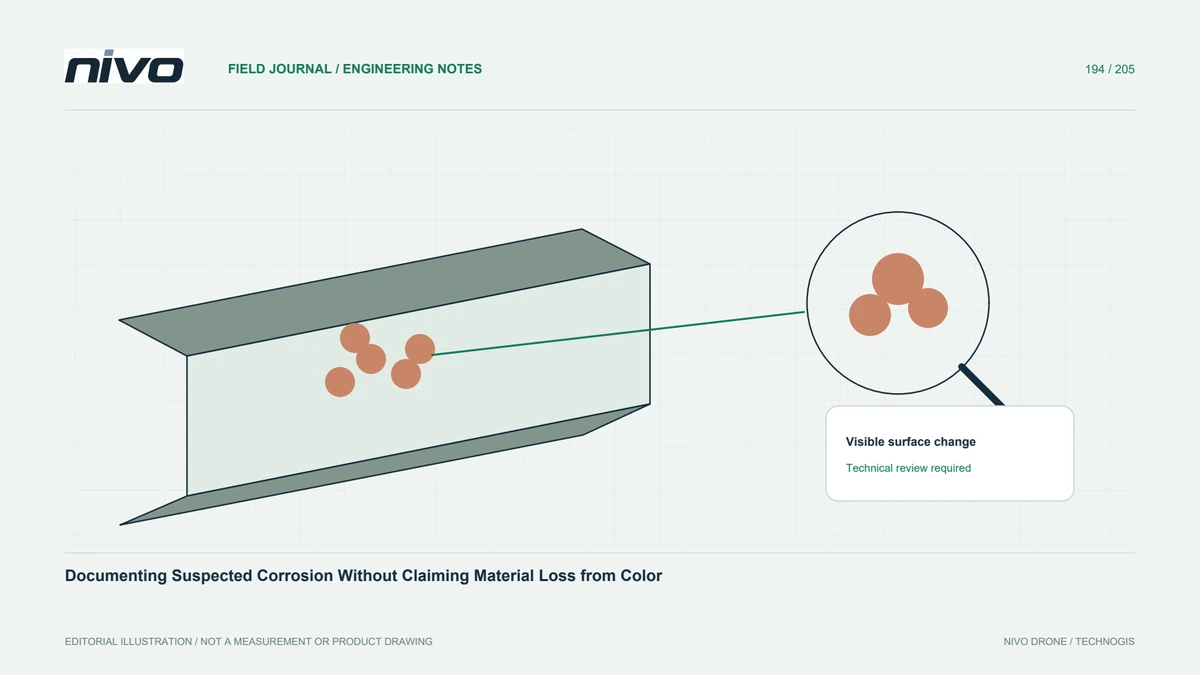
Describe what is directly visible
An aerial photograph may show discoloration, coating changes, staining, or an unusual surface texture. Begin with those observations instead of assigning a quantified corrosion condition from color alone. Identify the asset and the examiner's question. FHWA bridge guidance places aerial evidence within an inspection process that can still require closer examination. A useful photographic alert directs technical attention while leaving material condition and structural implications to the appropriate assessment and supporting evidence.
Capture an identifiable surface area
Pair an overview with the detail and use stable component names. Similar steel members, roof panels, or tank sectors can make a close photograph difficult to relocate. Record the side, direction, and relevant source files. Do not crop away joints or surrounding features that establish location. A sharp rust-colored patch without component identity may be visually striking but practically weak because the maintenance team cannot reliably find the exact surface needing examination.
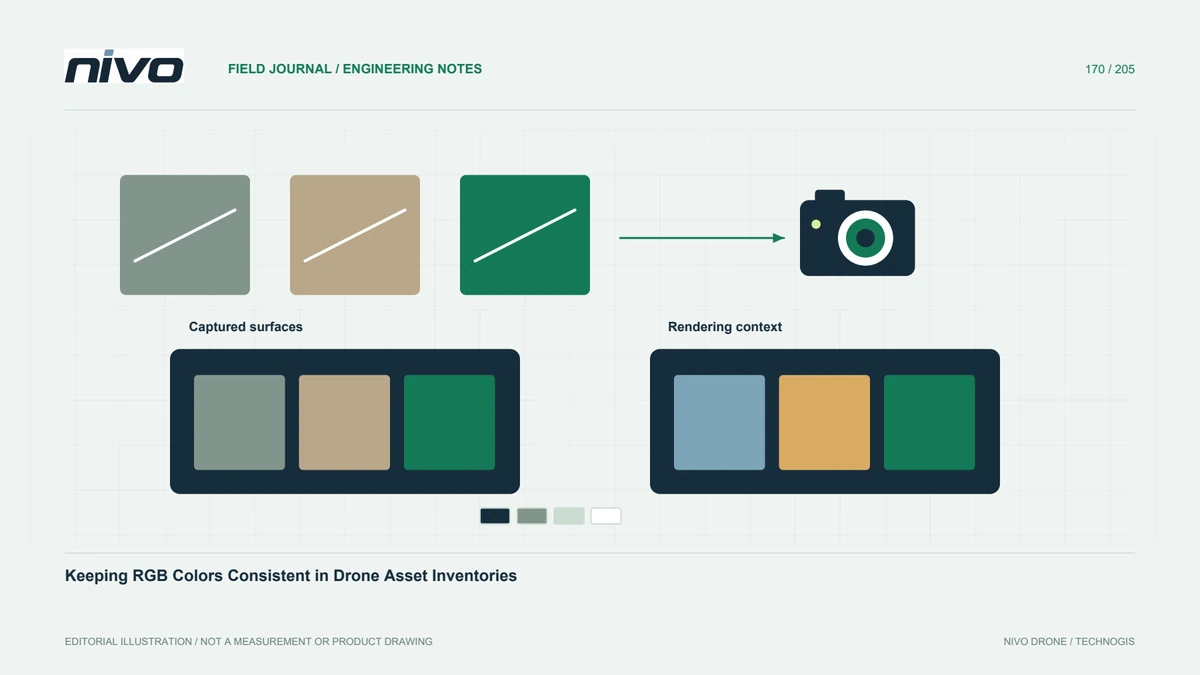
Check lighting and rendering differences
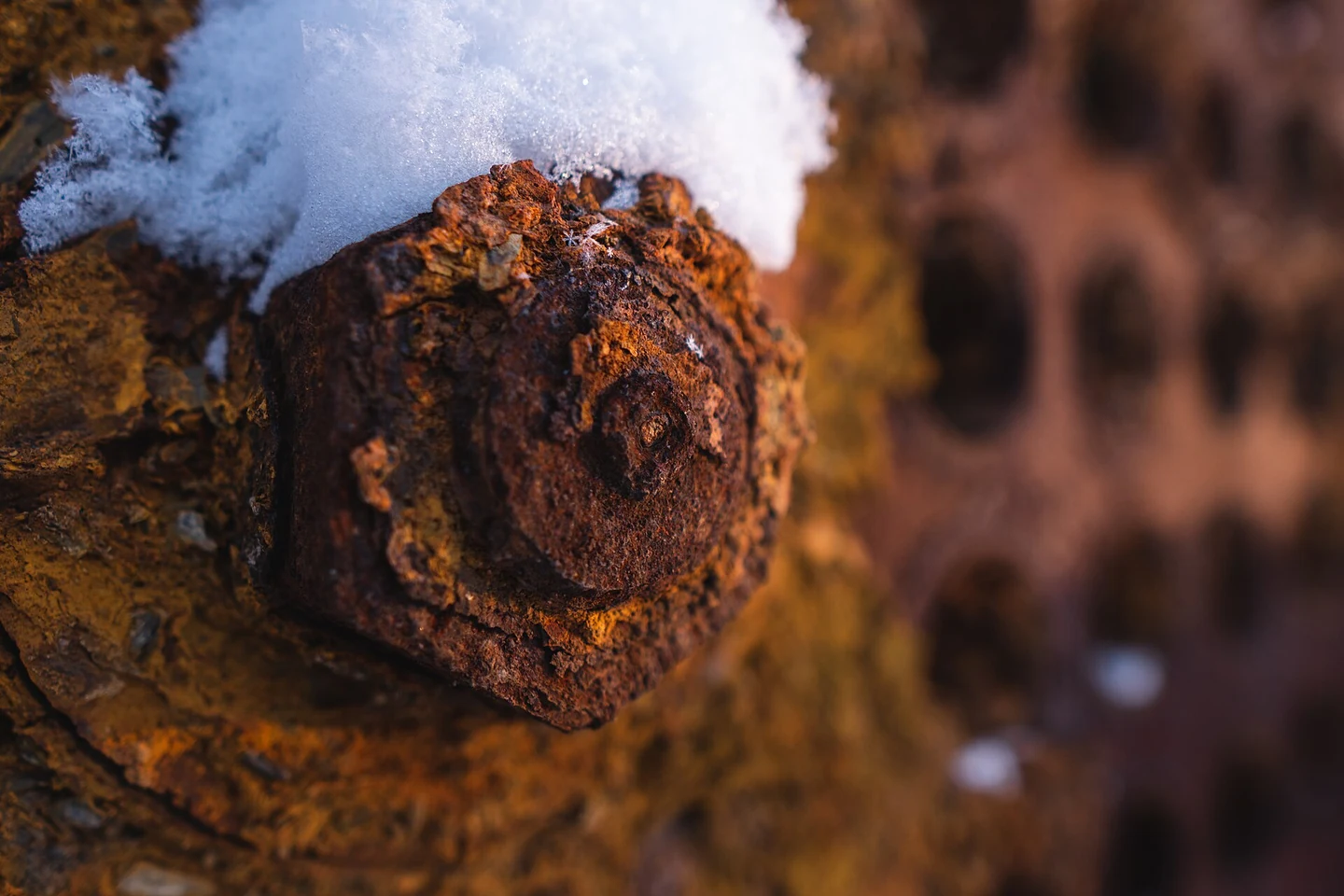
Shadows, reflections, wetness, white balance, and image processing can alter apparent color. Review original photographs and capture conditions before comparing visits. Do not enhance saturation and then interpret the stronger appearance as increased severity. Where a color-based inventory is used, provide class examples and ambiguous cases. Ordinary RGB imagery supports visible documentation but does not automatically establish chemical composition, corrosion rate, remaining thickness, or the condition beneath a coating.
Seek views that clarify appearance
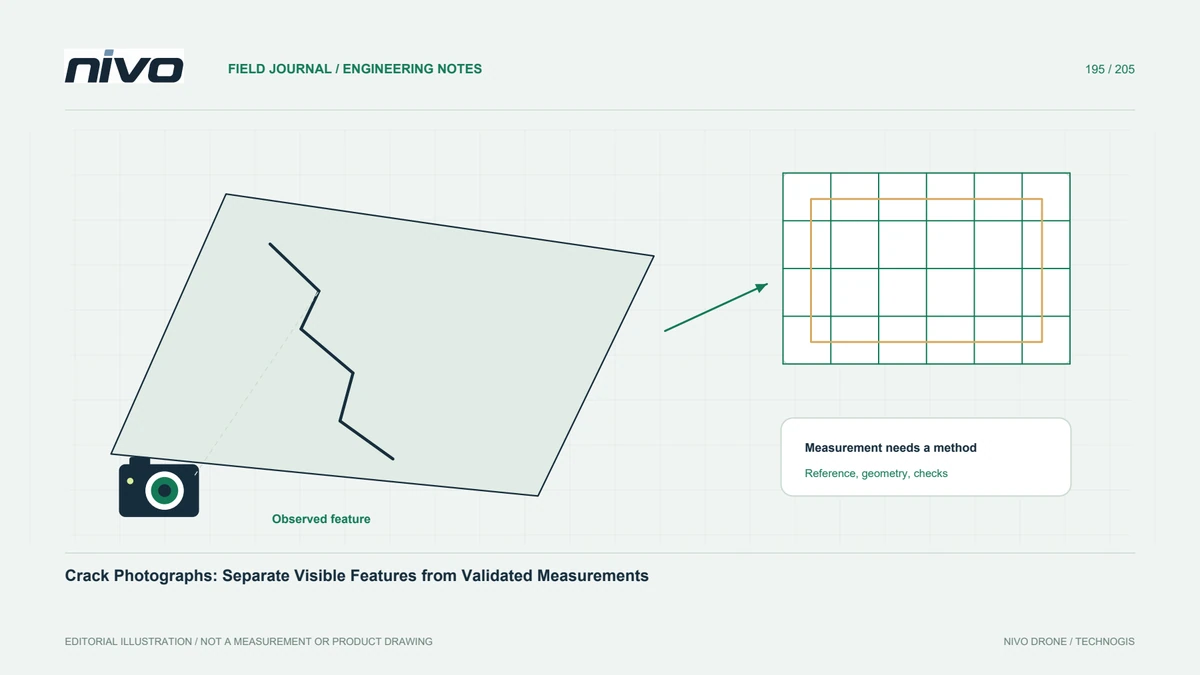
Within the approved observation plan, additional angles can help distinguish a raised feature, surface stain, loose-looking coating, or shadow. Trial target readability with the examiner rather than assuming zoom solves every ambiguity. Record areas hidden behind other components or outside the readable view. If the images remain inconclusive, label that status and request another method. Do not turn multiple similar photographs into false certainty merely because the report contains many views of the same unresolved feature.
Define the verification task
Ask the qualified asset examiner which further assessment is needed and what the aerial record can support. Direct testing, access, or other methods may be required to characterize material loss. The drone report should name the observed feature and question, not prescribe an unsupported repair or claim a measured defect depth. Retain alternative explanations and later findings. When verification changes the interpretation, link the update to the original observation rather than deleting its history.
Deliver a condition-review record
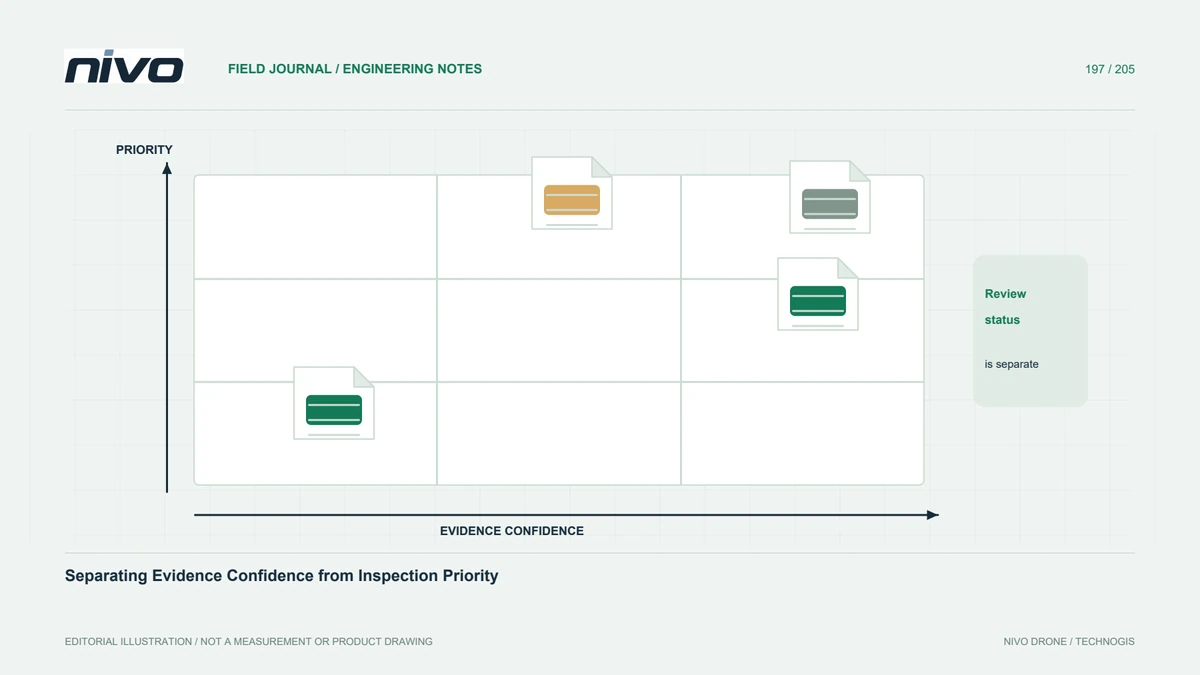
Provide component identity, locating context, detail, acquisition conditions, observation language, and verification status. Separate review priority from confirmed severity. Test whether a technician absent from the flight can create the intended follow-up task. Use these examples when selecting an RGB or gimbal payload with NiVO. Acceptance should show useful surface documentation at the required detail, without promising complete corrosion detection, quantitative wall-loss assessment, or engineering clearance from ordinary aerial photographs alone.