Post-Weather Drone Documentation for an Asset Review Queue
Organize post-weather photographs into identifiable observations and follow-up tasks while separating visual triage from structural clearance and emergency authority.
Define documentation within the response process
After significant weather, an owner may need a current visual record to organize asset review. Coordinate through the responsible site and response process before planning any observation. Public-safety UAS guidance treats post-incident assessment as a defined use case, not unrestricted authority to fly. The drone task should state which assets and visible conditions will be documented, who receives the information, and which decisions require qualified examination or another form of evidence.
Start with asset identity and prior records
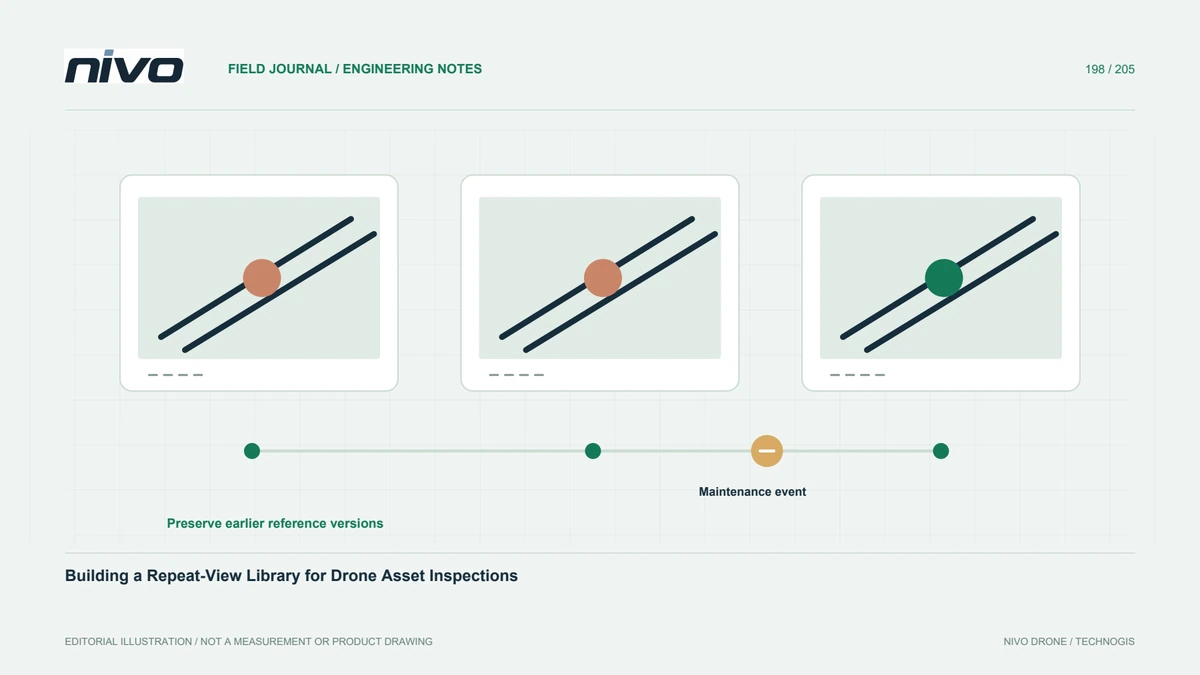
Use the owner's register and locate available pre-event photographs or inspection notes. Assign stable identities to roofs, structures, drainage features, and other relevant assets. A current image without location or baseline context may be difficult to interpret. Do not assume every unusual feature is new. Keep the date and source of earlier material visible so reviewers understand whether a comparison is meaningful or whether the asset lacks an adequate prior record.
Document changed visibility and access
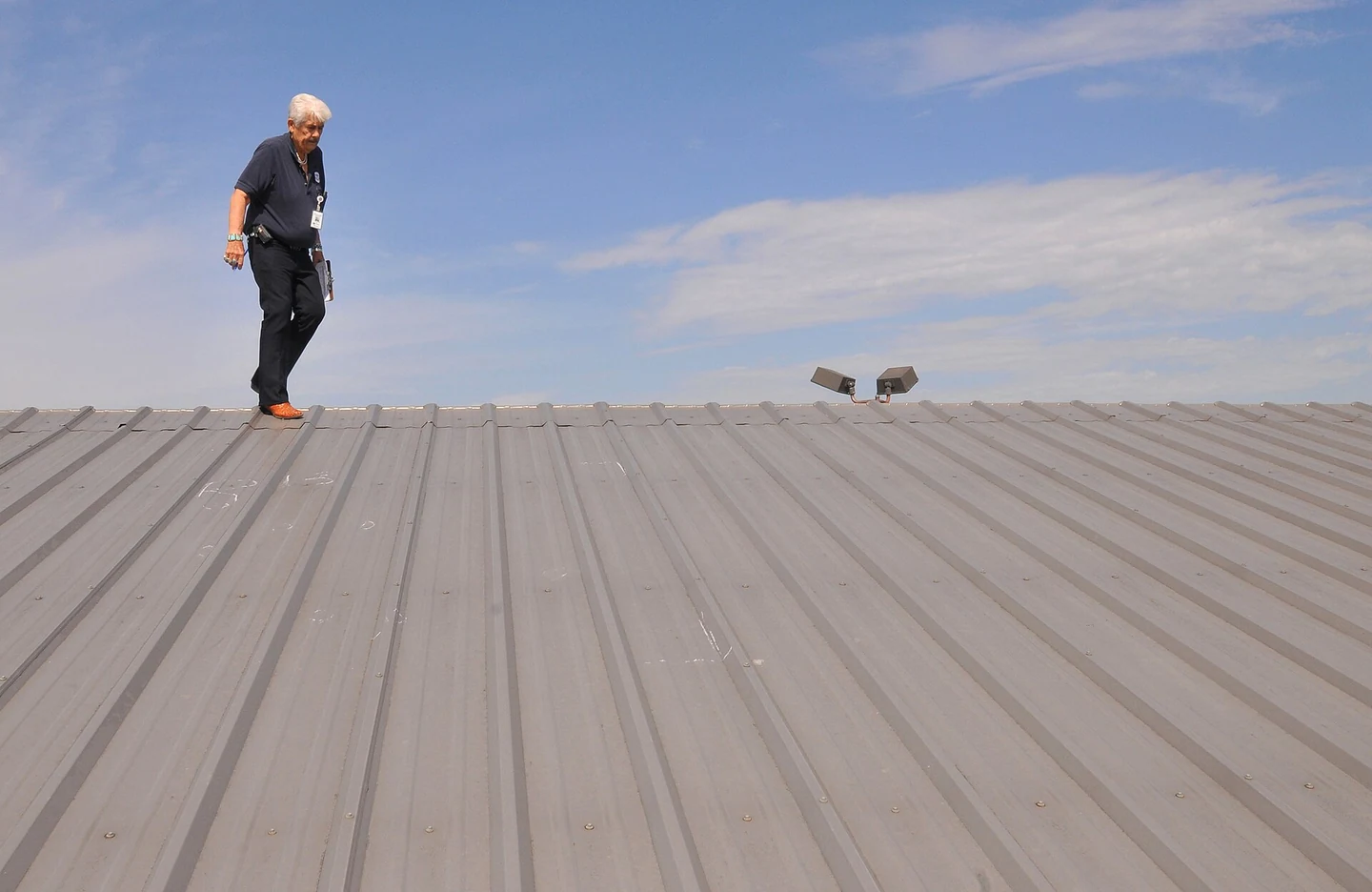
Weather can alter obstructions, access, and operating circumstances. The responsible operator and owner must reassess the actual site rather than reuse an old route unconditionally. Record areas that cannot be observed adequately. This article provides an editorial workflow, not flight instructions for an active emergency. Image requests should remain within the established coordination process, and a missing view should be communicated as a coverage gap rather than filled with an unsupported normal-condition label.
Collect context before close detail
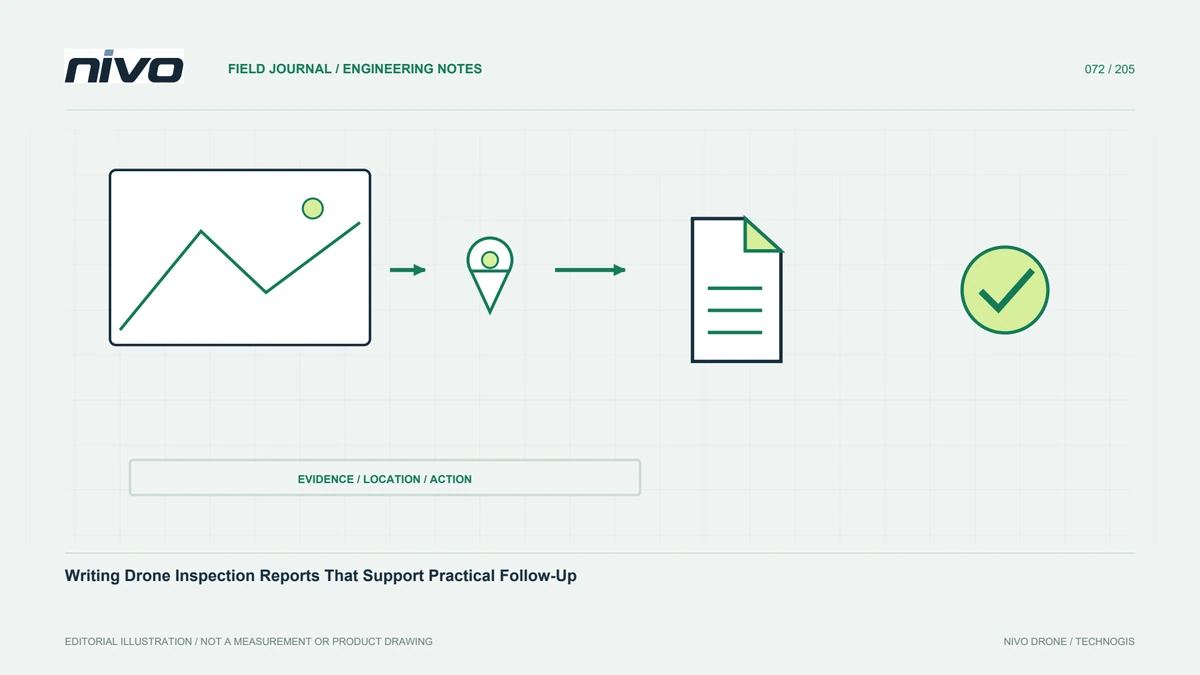
Capture an identifiable overview and then the relevant detail for each observation. Record visible displacement, debris, surface changes, or other direct facts using neutral language. Preserve original files and acquisition conditions. If zoom is used, maintain the link to the correct asset. A dramatic close photograph can be misleading when its scale, location, and surrounding conditions are absent. Test whether the intended reviewer can understand what is actually visible without a verbal explanation from the pilot.
Separate triage priority from diagnosis
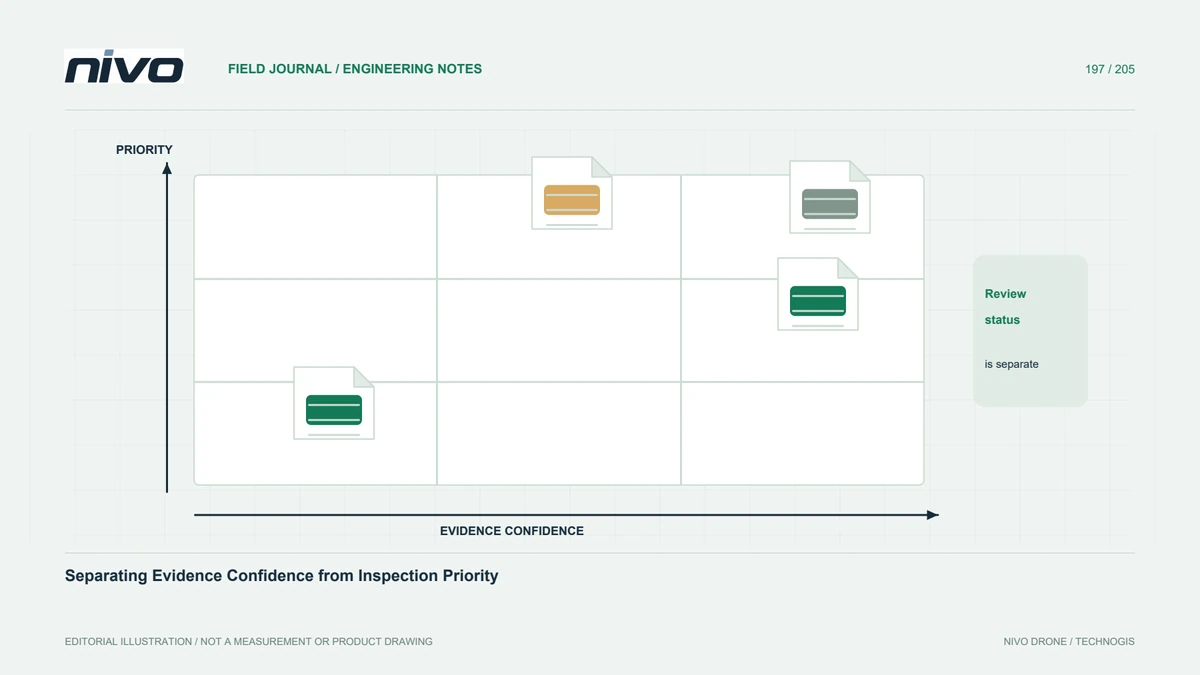
The owner may prioritize items for examination using its own technical process. Keep that decision separate from evidence confidence and confirmed severity. An uncertain photograph can concern a high-priority asset without proving a serious defect. Avoid declaring a building, bridge, or electrical installation safe from aerial images alone. State the follow-up question and responsible role. Preserve changes in interpretation as the technical review progresses instead of overwriting the initial observation and losing its evidential history.
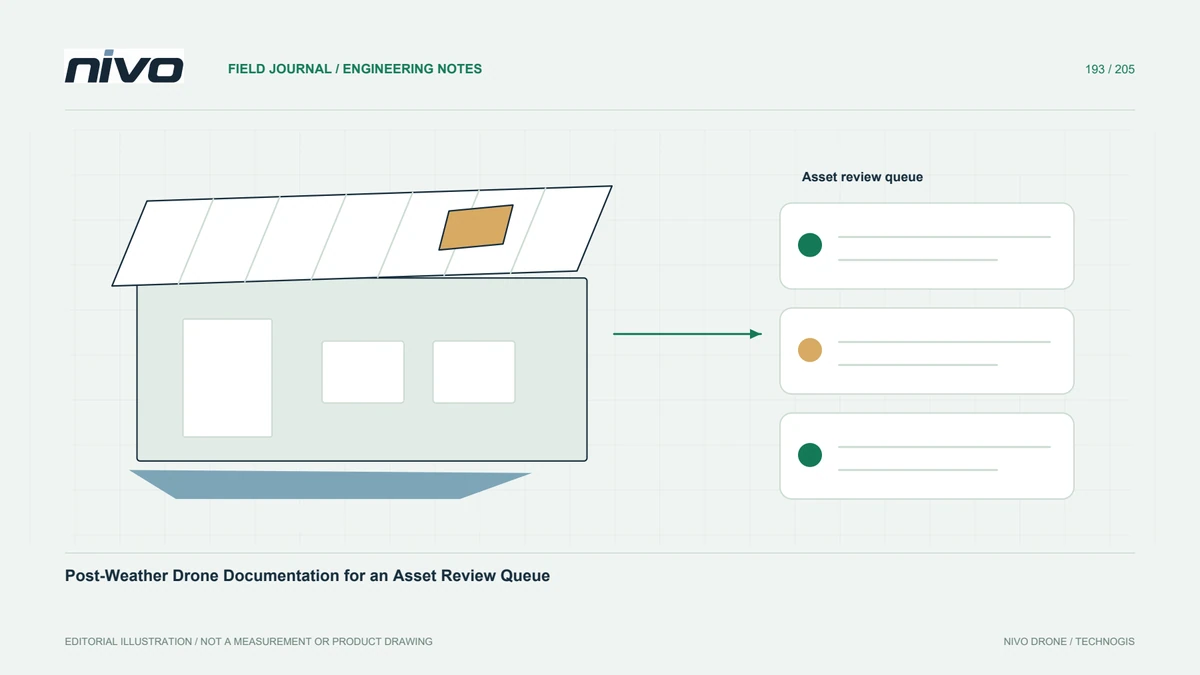
Deliver a usable review queue
Provide asset identity, locating views, detail, known conditions, coverage limits, observation status, and assigned follow-up. Distinguish preliminary documentation from verified conclusions. Ask a colleague absent from the flight to create a review task from one finding. Use this sample during NiVO camera consultation if post-weather documentation is a planned application. Acceptance should demonstrate clear information handover within the owner's process, without claims of emergency authorization, complete damage detection, or automatic structural clearance.