Servo Linkage Free Play in Fixed-Wing VTOL Maintenance
Review control-surface free play through linkage geometry, attachment identity, approved inspection methods, and configuration-specific acceptance evidence.
Identify the complete control path
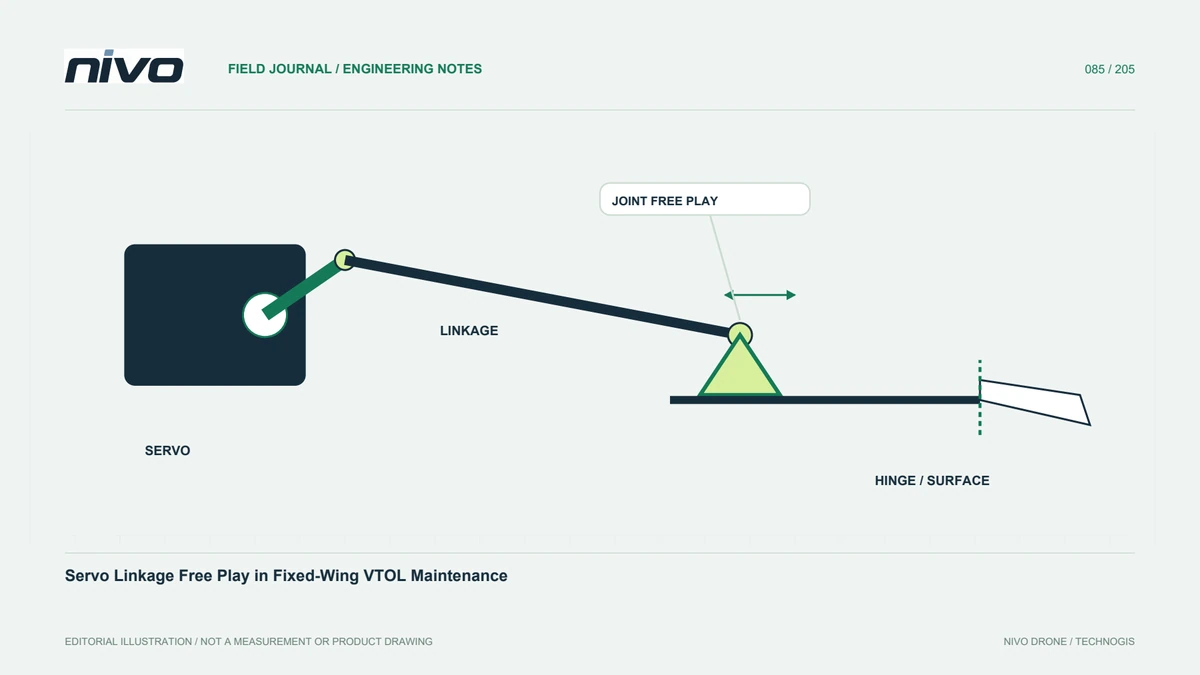
A control surface's response depends on more than the servo case. Linkages, horns, hinges, attachments, and mounting structure form a connected mechanical path. Document that path for the installed aircraft before investigating unusual movement. Identify which part moves relative to which reference. A general report that the wing feels loose is less useful than a location-specific observation tied to photographs and the aircraft's maintenance instructions.
Separate free play from intended flexibility
Different materials and assemblies have different approved inspection criteria. Visible movement alone cannot establish whether a part is acceptable, and an apparently rigid assembly does not prove correct control travel. Use the relevant design and maintenance guidance rather than a tolerance borrowed from another aircraft. Record where movement occurs and whether it changed after handling. The purpose is to characterize the finding for a competent assessment, not to invent a universal limit.
Review changes after disassembly
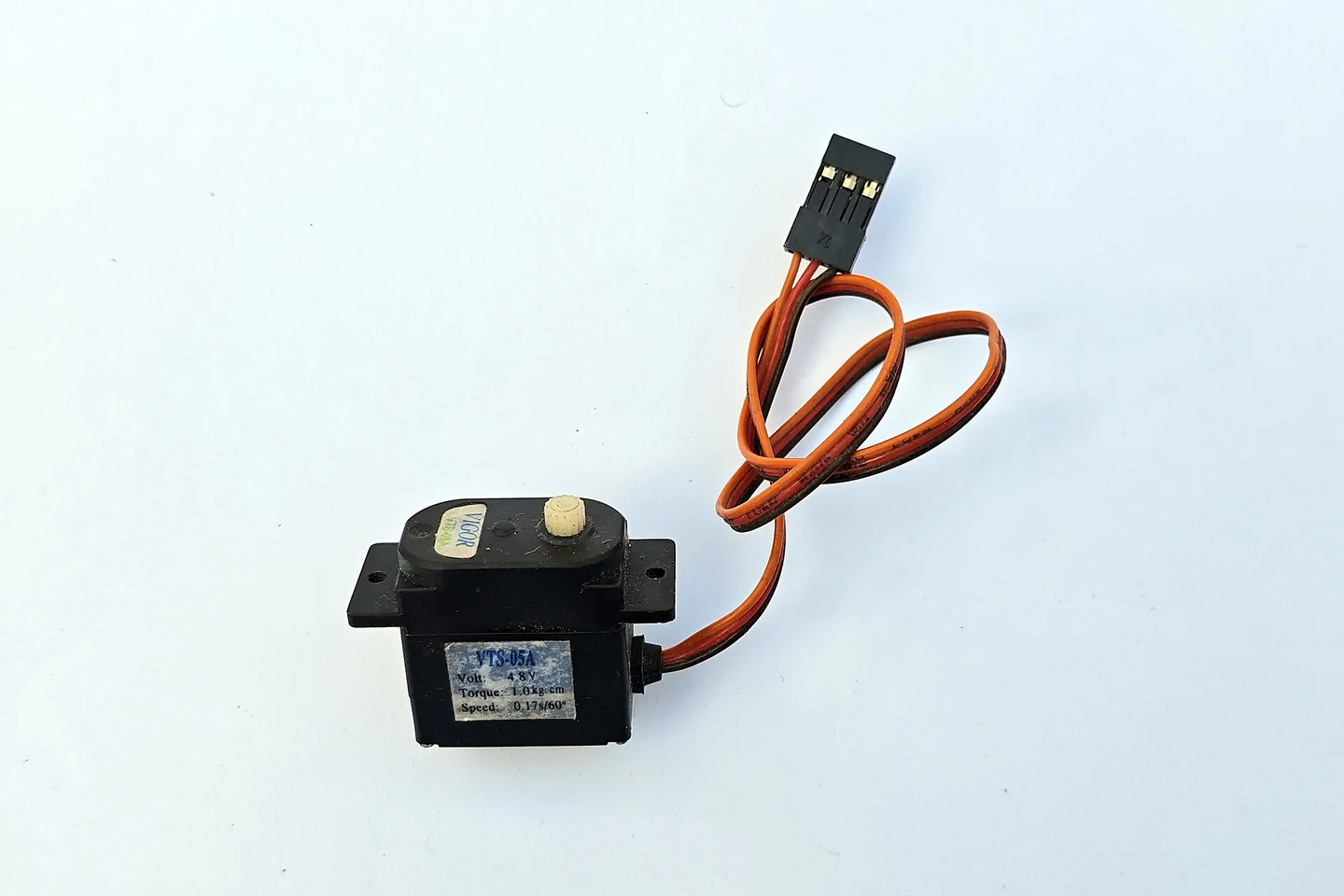
Transport preparation or component replacement may disturb horn positions, linkage length, fasteners, or connection orientation. Compare the current arrangement with its accepted record. Keep part identities and photographs of attachment details. A servo that returns to its electronic center does not by itself demonstrate that the mechanical surface returned to the intended reference. Any adjustment should follow the aircraft's approved rigging process and be recorded as a configuration change.
Assess the electrical and mechanical combination
Servo supply, output configuration, and the installed mechanical arrangement must be compatible. A displayed command confirms only part of that relationship. Review relevant device documentation and approved inspection results, including any binding or unusual behavior reported during authorized checks. Do not force surfaces or conduct improvised powered tests. Mechanical restrictions can require a different corrective action from command-mapping errors, even when both initially appear as insufficient movement.
Make acceptance more than a visual impression
The responsible technical process should specify what confirms attachment security, movement direction, travel, and any applicable free-play requirement. Preserve the reference condition and evaluated configuration. A pleasing ground-station animation cannot validate the physical linkage. After corrective work, identify adjacent items needing reinspection. Where evidence is incomplete, keep the finding open rather than declaring readiness because the visible symptom became less noticeable during one informal demonstration.
Use the record to prevent recurrence
Close the maintenance entry with the actual cause where established, parts changed, inspection references, and acceptance evidence. Include clear reassembly information for teams who prepare the aircraft for transport. Recurrent looseness may justify a wider review of mounting or handling practices. A traceable linkage record supports NiVO service and spare-part planning while preserving the distinction between an observed mechanical condition and a complete approval of aircraft control performance.