Salt and Dust Exposure: Building a Drone Corrosion Inspection History
Connect environmental exposure, material locations, approved cleaning, recurring observations, and equipment status without inventing universal treatment recipes.
Record the environment as maintenance information
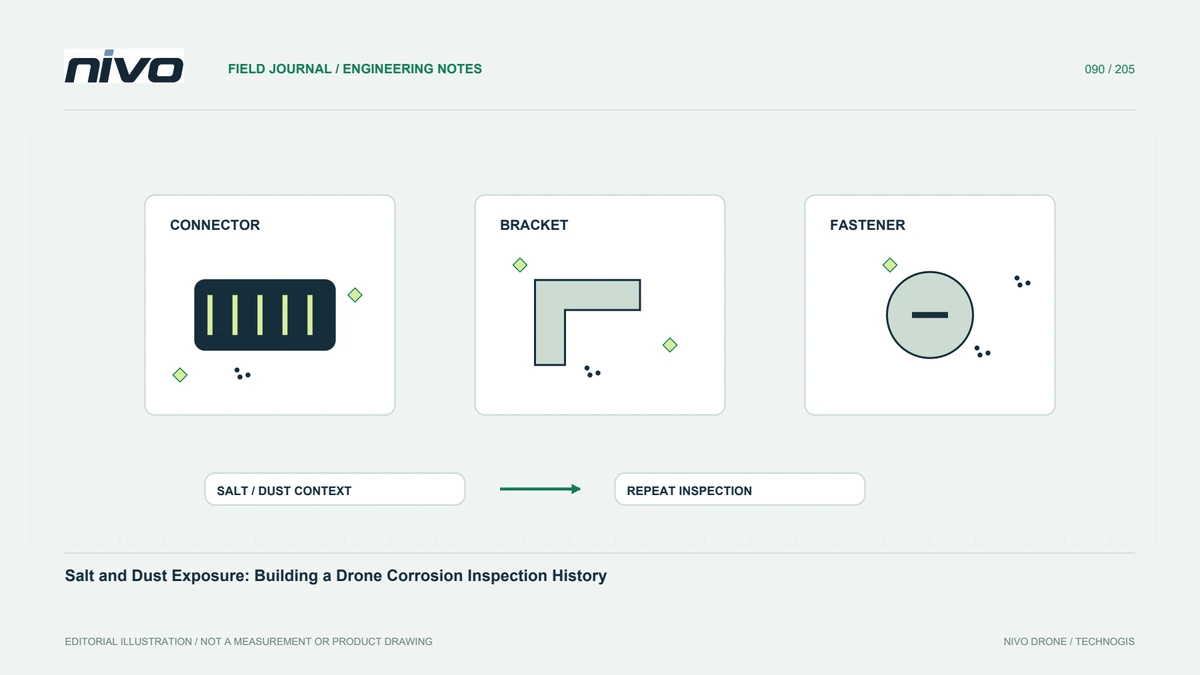
Coastal air, airborne dust, contaminated ground equipment, and storage conditions can create different inspection questions. Record exposure locations and affected assemblies alongside operating history. Do not reduce the entry to a broad label such as harsh environment. Describe visible residue, moisture, and handling circumstances. This context helps technicians interpret later changes without assuming that every discoloration is corrosion or that an apparently clean surface rules out further examination.
Map materials and interfaces
Fasteners, connectors, brackets, coatings, and structural materials have different maintenance requirements. Identify locations rather than applying one cleaning instruction to the whole aircraft. Interfaces and sheltered areas may need attention under the approved inspection plan. Retain photographs that allow comparison across dates. Material identity matters because a method suitable for one component can be inappropriate for another, especially where protective finishes or electrical contacts are involved.
Distinguish observation from diagnosis
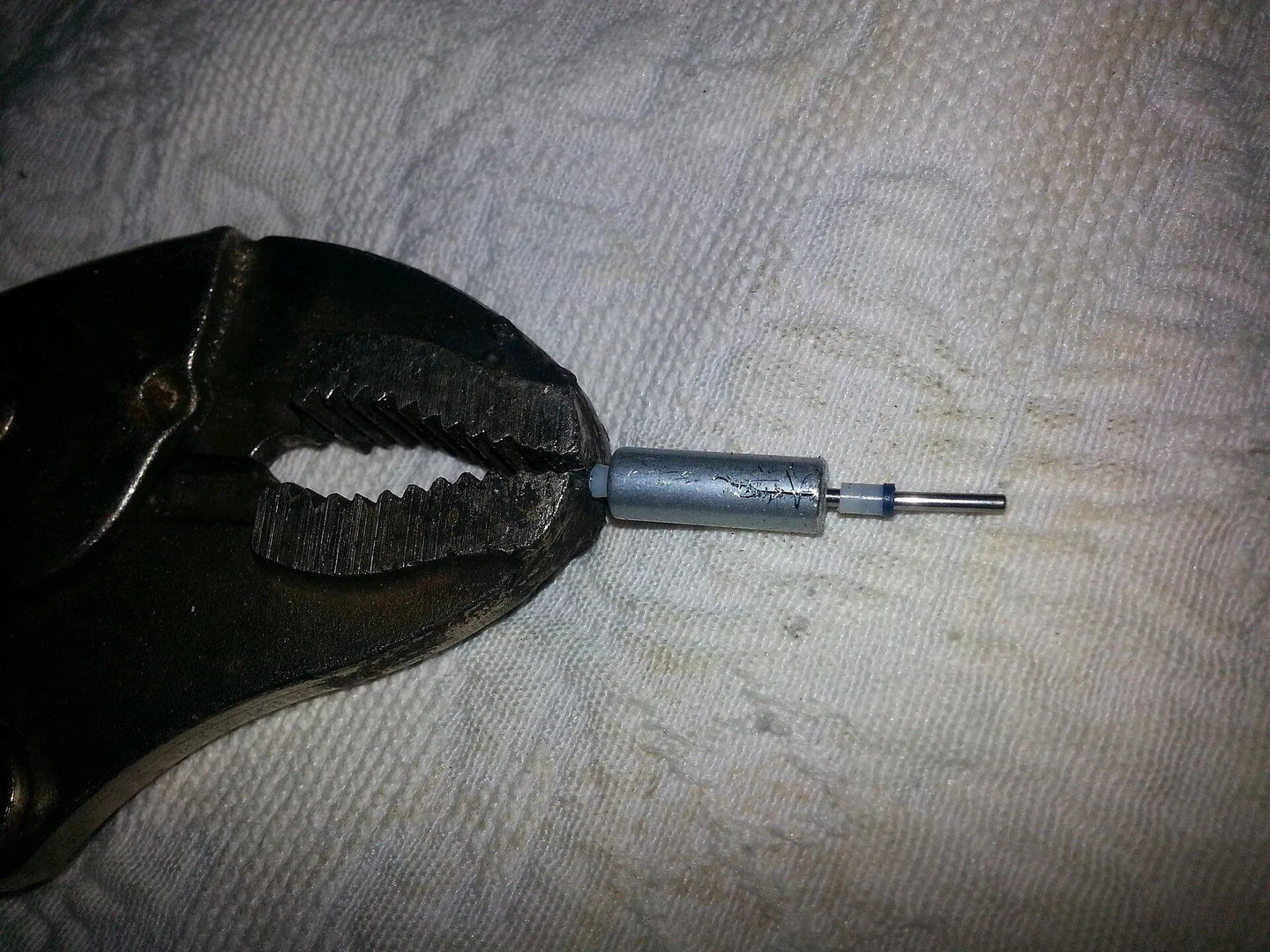
A residue, stain, rough surface, or changed contact appearance should be described directly before its cause is assigned. Competent assessment may require additional examination to distinguish contamination, wear, and corrosion. Preserve the location and relevant component identity. Avoid aggressive cleaning merely to make a photograph look normal before the finding is understood. The inspection record should retain what was observed and explain any authorized action that altered the evidence.
Use applicable cleaning and treatment instructions
Follow the actual aircraft and component guidance for permitted materials, methods, access, and personnel. General aviation references explain corrosion concepts but do not automatically approve a chemical or process for a NiVO assembly. Do not invent mixtures, protective coatings, or wash procedures from a generic article. Record the procedure and its basis. Cleaning completion and technical return to service remain separate questions when damage or unexplained behavior still requires assessment.
Compare recurring findings fairly
Use stable locations, similar photographs, and known inspection conditions when reviewing change. Record replaced parts and coating work so a newer appearance is not mistaken for spontaneous improvement. Repeated findings may indicate a handling or storage issue worth broader investigation. The comparison should explain uncertainty rather than creating a precise deterioration rate from inconsistent pictures. Link environmental history with actual inspection evidence before changing the maintenance plan.
Translate findings into practical responsibilities
Assign who records exposure, who performs authorized care, and who decides whether unresolved findings restrict use. Keep affected equipment distinguishable from the ready fleet. Review the support kit as well as the aircraft, since cases and tools can carry contamination between sites. A documented corrosion-control history supports NiVO service decisions and field planning while preserving the limits of visual observations and the priority of component-specific maintenance instructions.