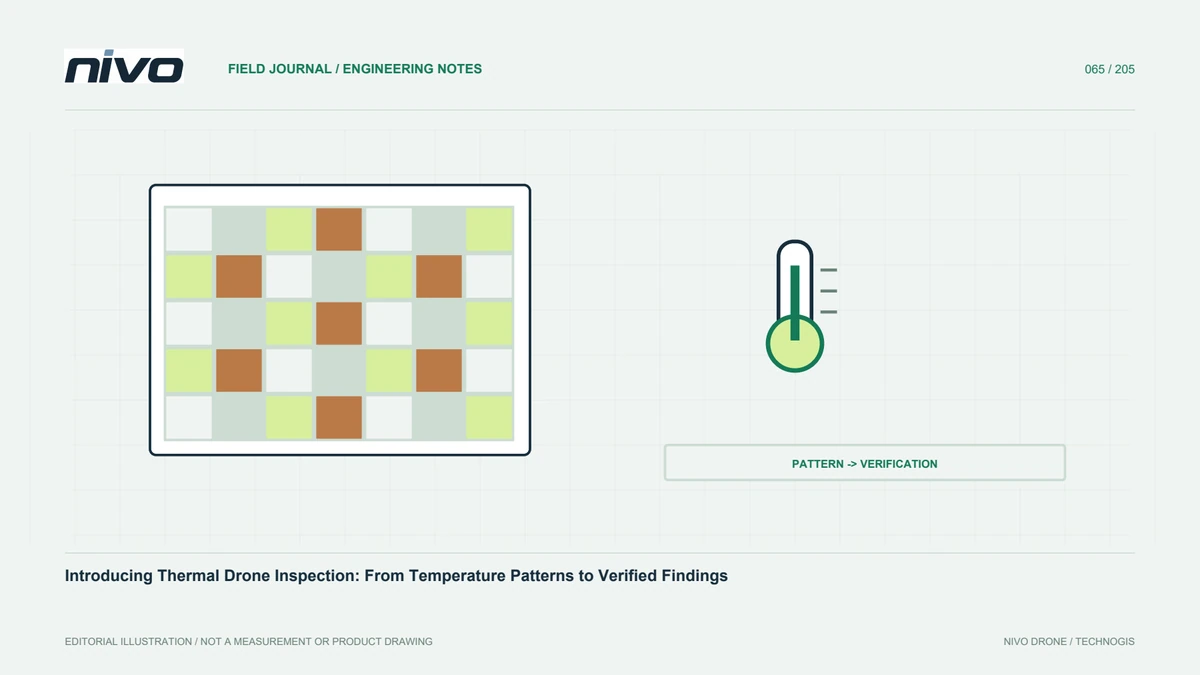
Thermal Palettes and Fixed Scales: Keeping Comparisons Understandable
Separate thermal display choices from measurement evidence by retaining scale limits, original files, matching context, and explicit rules for comparative illustrations.
Recognize what a palette changes
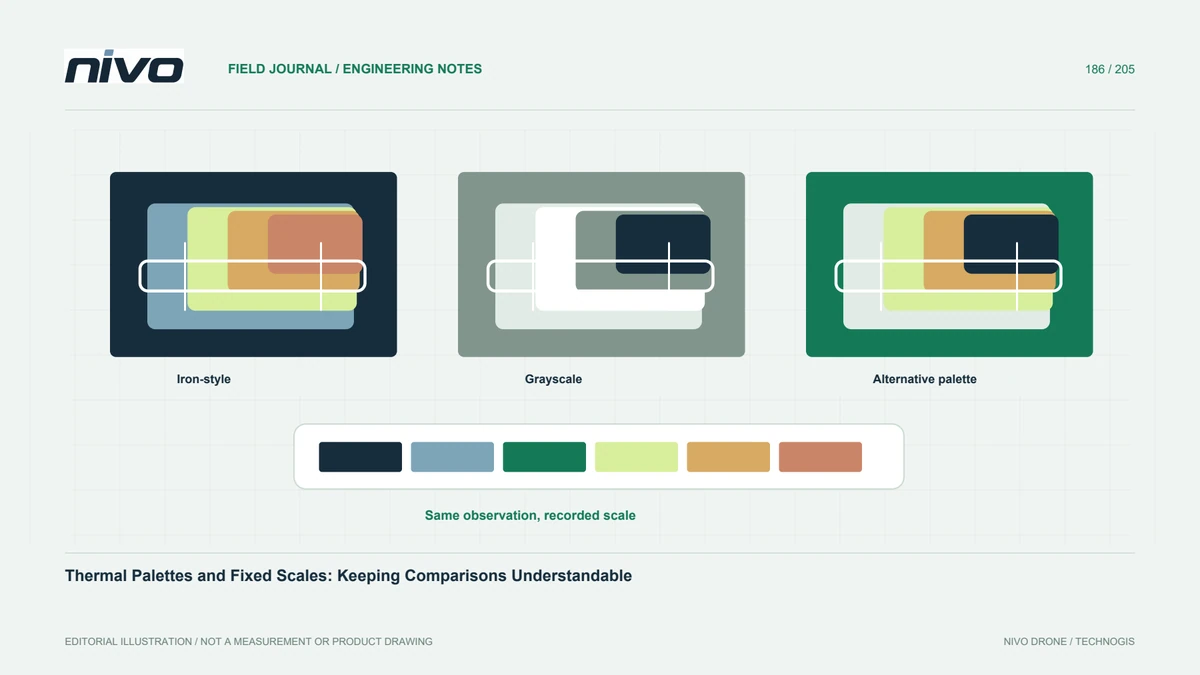
A thermal palette assigns colors to the displayed range; it does not change the physical surface or establish a fault. FLIR documentation explains that palettes and contrast adjustments aid viewing. The same observation can therefore look dramatically different after presentation changes. Establish whether the image is being used to locate a pattern, compare observations, or support a measurement claim. Those purposes determine what display information and underlying evidence must accompany the illustration.
Explain automatic scaling
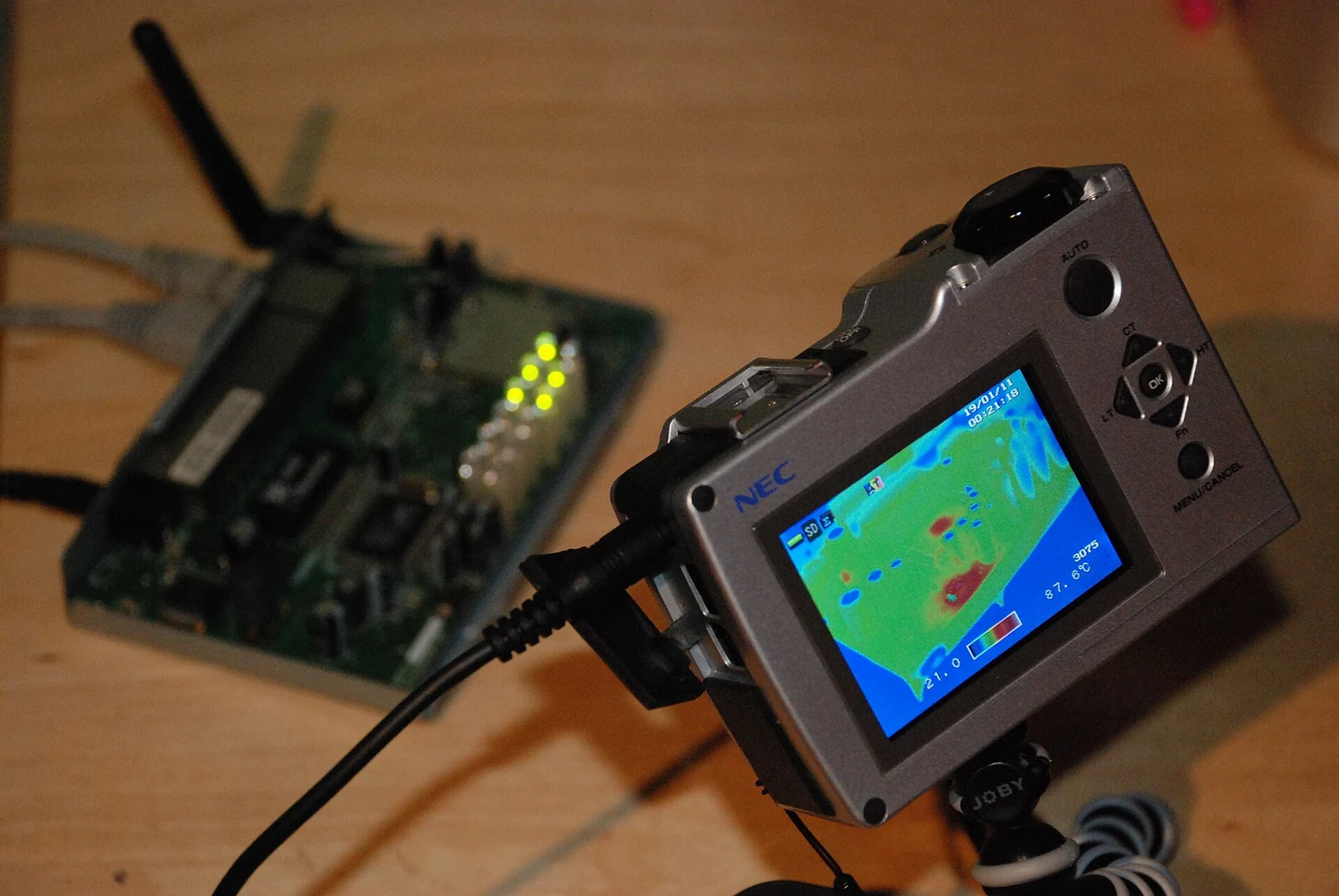
Automatic display adjustment may distribute colors over the scene currently visible. When the scene changes, the same color need not represent the same value or range as before. A viewer comparing screenshots can mistake this for a change in the asset. Record whether the display was automatic or manually bounded. Do not infer a temperature trend from color alone, particularly when unrelated hot or cold objects enter one frame and alter the displayed contrast.
Choose comparable illustrations deliberately
If a comparison requires a shared scale, confirm that the underlying data support the intended comparison and then document common display bounds. A fixed scale can help readers, but it does not correct differences in emissivity, operating conditions, geometry, or camera capability. Check that important detail remains visible and provide additional context where necessary. Avoid choosing limits solely to dramatize one finding or make two observations appear more similar than their evidence justifies.
Keep measurement and display records separate
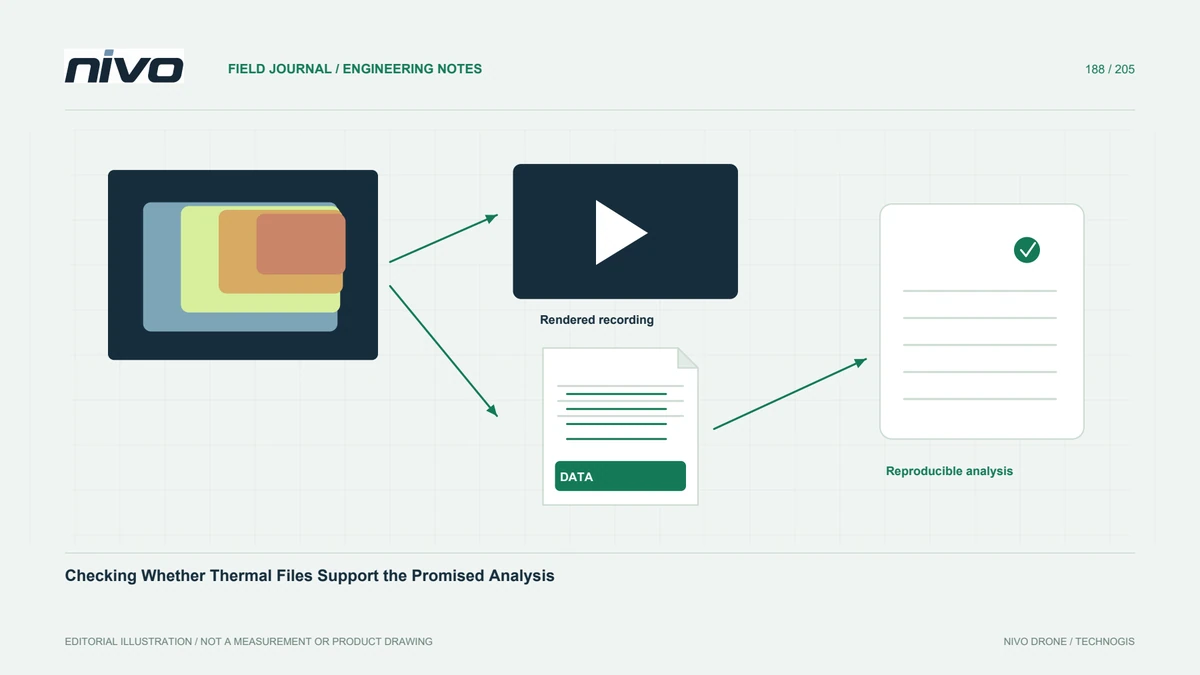
Retain original files and the analytical parameters relevant to any reported measurements. Record palette, scale, and annotation choices for exported illustrations as presentation metadata. A color-mapped video may not contain the information needed for later temperature analysis. Verify the actual payload output rather than assuming that a displayed number can be reconstructed from every screenshot. Another reviewer should be able to distinguish what was measured, what was rendered, and what remains unknown.
Review annotations and audience understanding
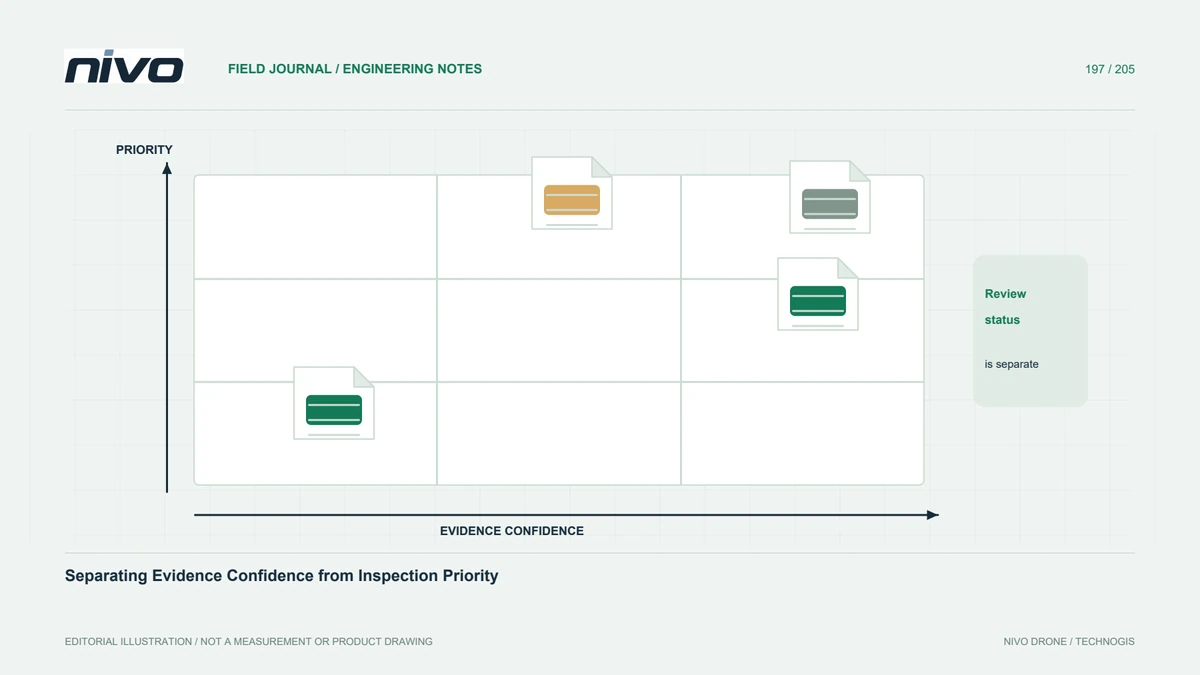
Include a readable legend where it supports the claim and explain whether values are apparent, relative, or analytically supported temperatures. Do not place labels over the critical pattern or omit context identifying the asset. Ask a recipient to interpret a sample pair without verbal coaching. If they believe brighter always means a more severe defect, improve the explanation. Presentation should guide appropriate technical review rather than allow a visually forceful palette to stand in for diagnosis.
Standardize the export procedure
Agree a reporting recipe covering original retention, scale choice, palette, contextual RGB evidence, and known comparison limits. Keep exceptions visible and version the recipe when changed. Use representative SIYI or other payload files during NiVO consultation to test the actual workflow. Acceptance should demonstrate understandable, traceable illustrations. It should not promise that one palette detects every anomaly or that applying a common scale makes observations from different conditions quantitatively equivalent.