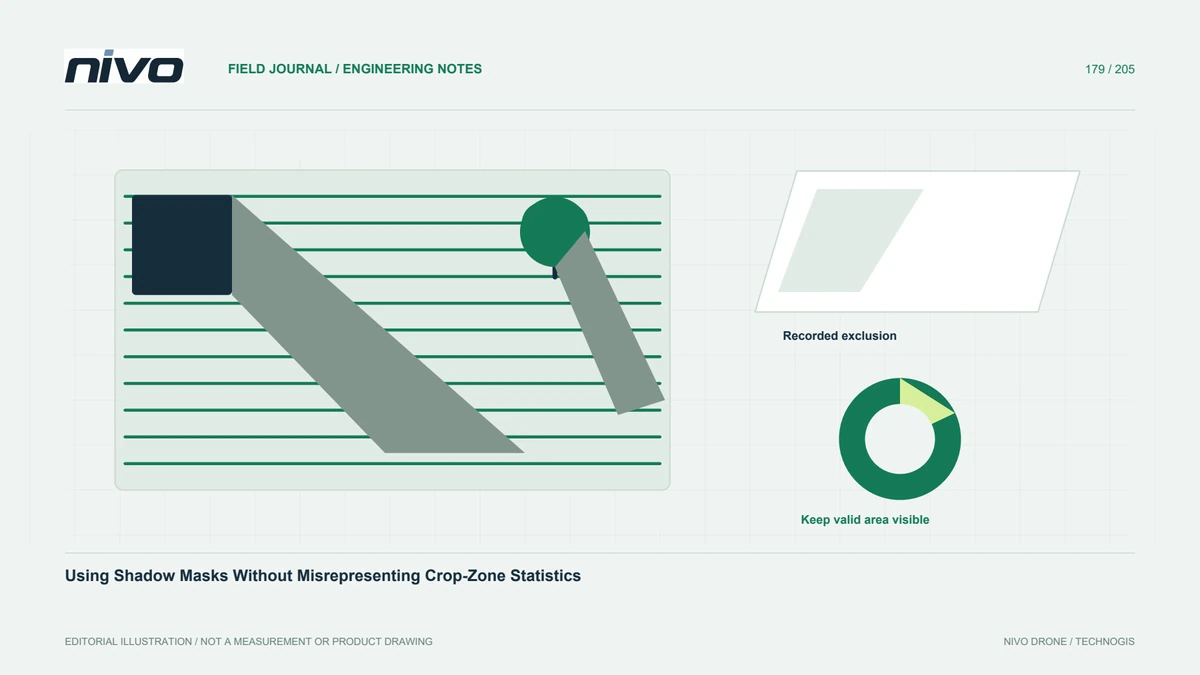
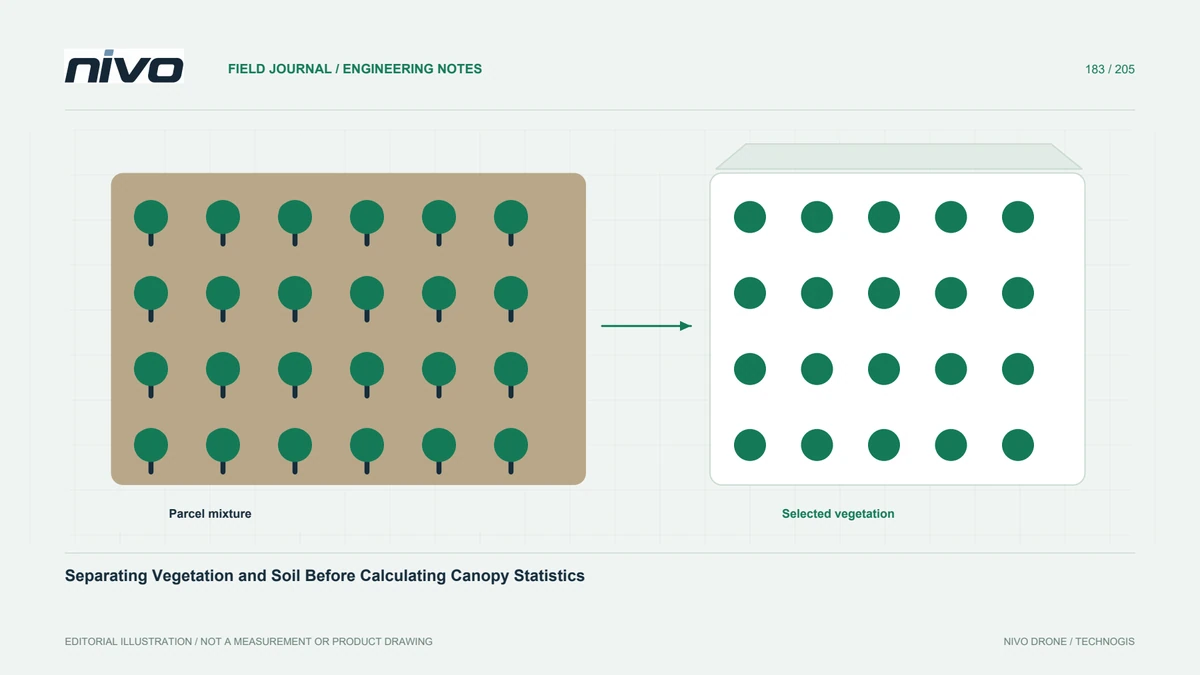
Separating Vegetation and Soil Before Calculating Canopy Statistics
Define whether a crop statistic describes the whole parcel or observed vegetation, then review masks, excluded area, mixed cover, and the consequences for comparison.
Name the population being summarized
A whole-parcel index average and an average over selected vegetation pixels answer different questions. The first includes the land-cover mixture; the second depends on how vegetation was selected. State the intended population before building a mask. Sparse early crops make this distinction especially important. Do not describe a canopy-only statistic as if it represented every part of the parcel, or compare it with an unmasked earlier result without explaining the change in analytical scope.
Choose evidence for vegetation selection
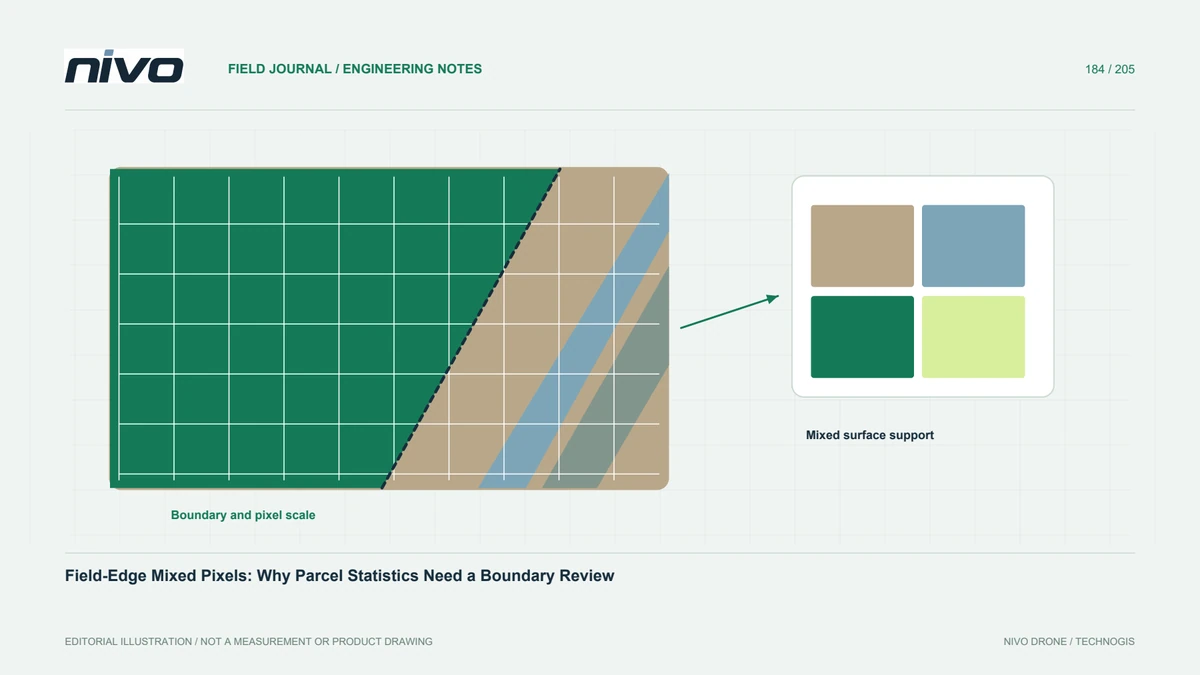
Review RGB context and the available spectral bands to identify candidate vegetation and background. MicaSense analysis examples illustrate plant and shadow masks, but a threshold remains something to evaluate for the actual dataset. Soil brightness, residue, weeds, shadows, and crop stage can affect separation. Define whether all vegetation or only the target crop belongs in the analysis. A mask that correctly includes green weeds may still be wrong for a crop-only question.
Inspect difficult examples manually
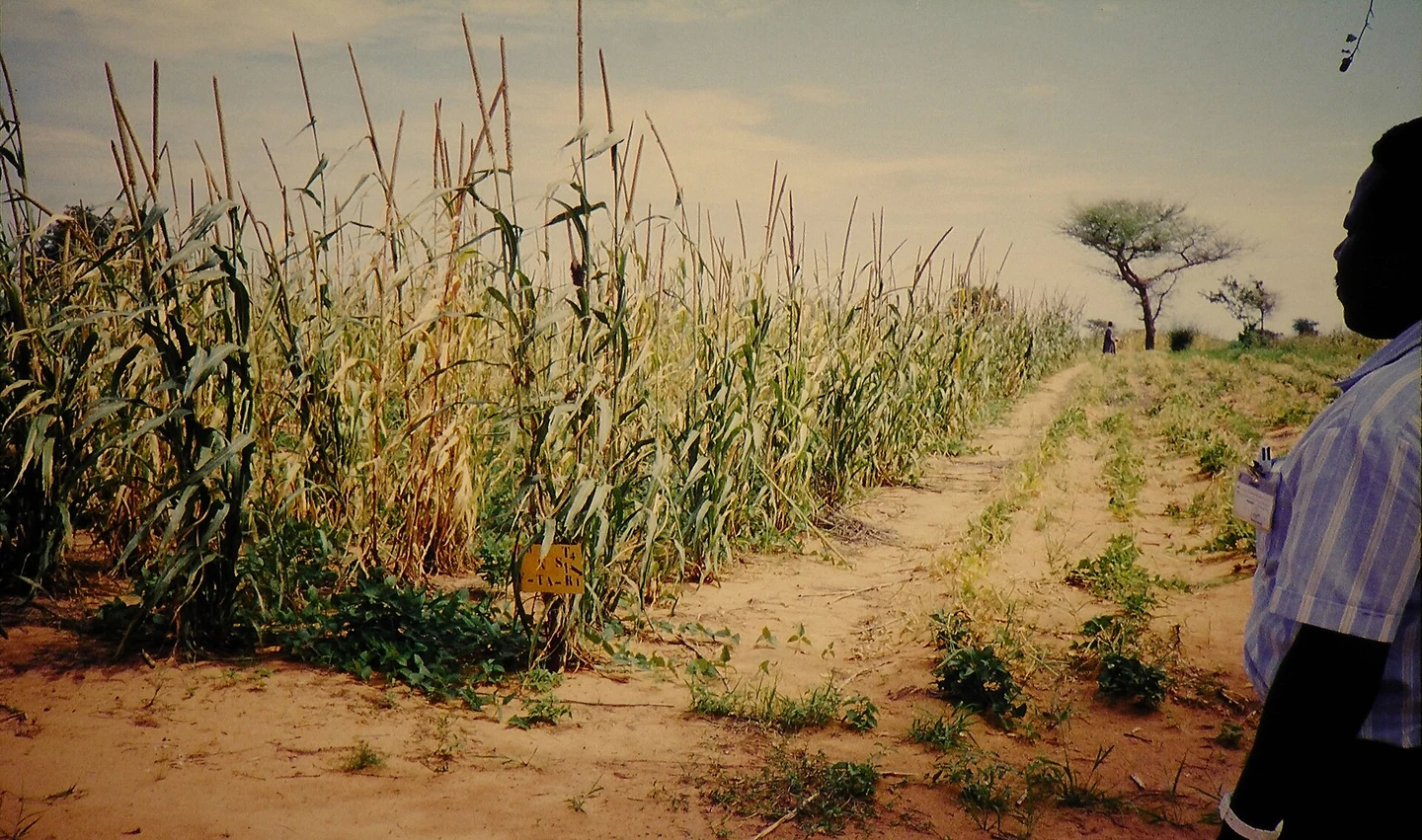
Check accepted and rejected pixels across open rows, dense canopies, field edges, and unusual surfaces. Use original imagery where the mosaic is ambiguous. Record examples of crop omitted and background retained. A visually neat mask may systematically remove small or shaded plants. Review these errors before calculating statistics for every zone. The goal is a defensible selection of observations, not the most pleasing silhouette or a minimum amount of manual review.
Preserve area and mask versions
Keep the original raster, mask, rule, software version, and any edits. Report selected vegetation area together with the summary value. A high average over a small surviving fraction is not equivalent to the same average over complete canopy coverage. If the mask changes between surveys, assess whether the comparison still concerns the same population. Retain prior versions so differences caused by revised selection can be distinguished from actual changes in the field.
Test the effect on the decision
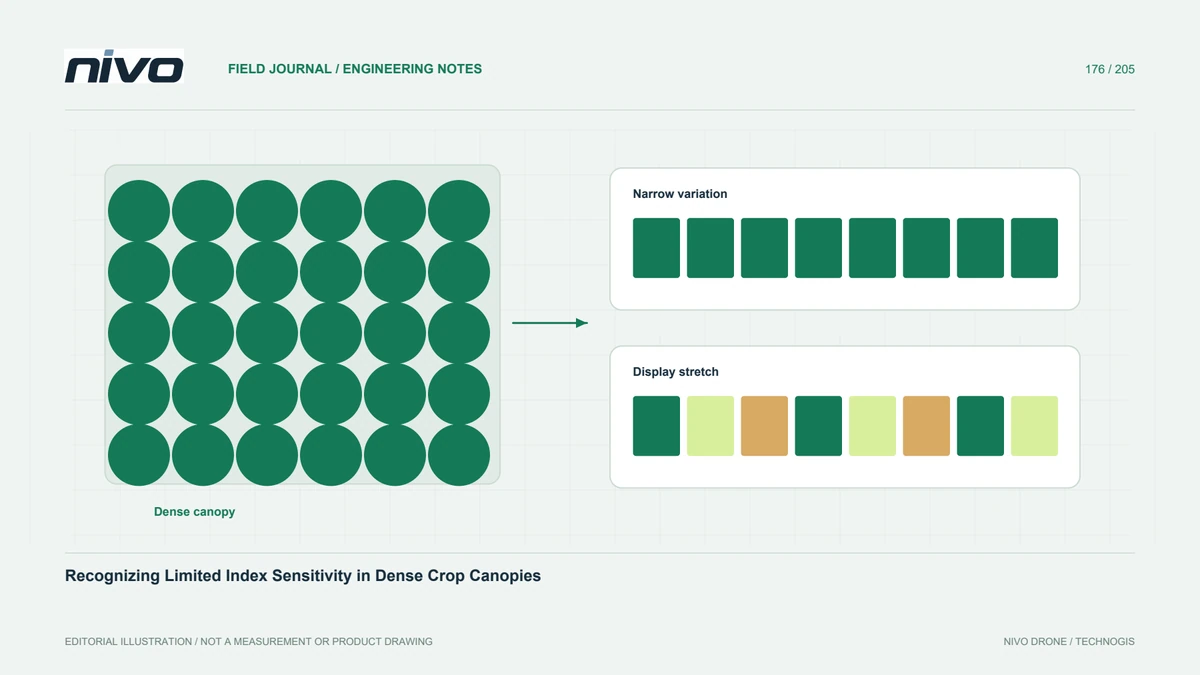
Compare relevant summaries and inspect why they differ. Ask whether the selected measure helps the defined management question or merely removes background that the manager actually needed to understand. Canopy condition and establishment completeness may require separate indicators. Do not optimize a mask to obtain an expected relationship with yield or treatment. Use independent field observations to test the interpretation, including cases where the masked map appears reassuring but cover remains sparse.
Deliver both meaning and limitations
Provide the statistic definition, selection mask, valid area, reviewed examples, and uncertainty. Make excluded regions visible rather than treating them as zero or silently omitting them. Explain how another analyst can reproduce the calculation. In NiVO multispectral consultation, specify whether the desired output concerns canopy response, cover, or both. A suitable workflow preserves that distinction through capture and analysis, instead of promising that a vegetation mask automatically isolates crop health from every background influence.