Keeping a Fixed-Focal-Length Camera Calibration Traceable
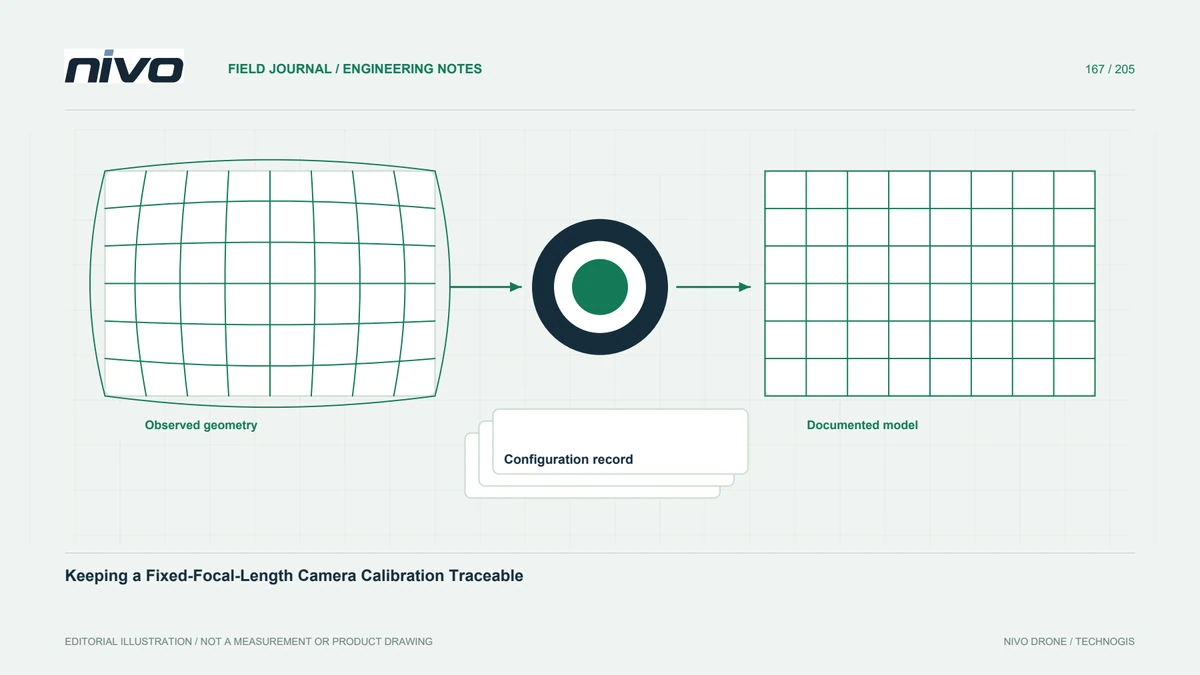
Keep lens identity, focus, image dimensions, correction settings, and calibration evidence linked so a mapping camera model remains understandable between projects.
Identify the optical arrangement
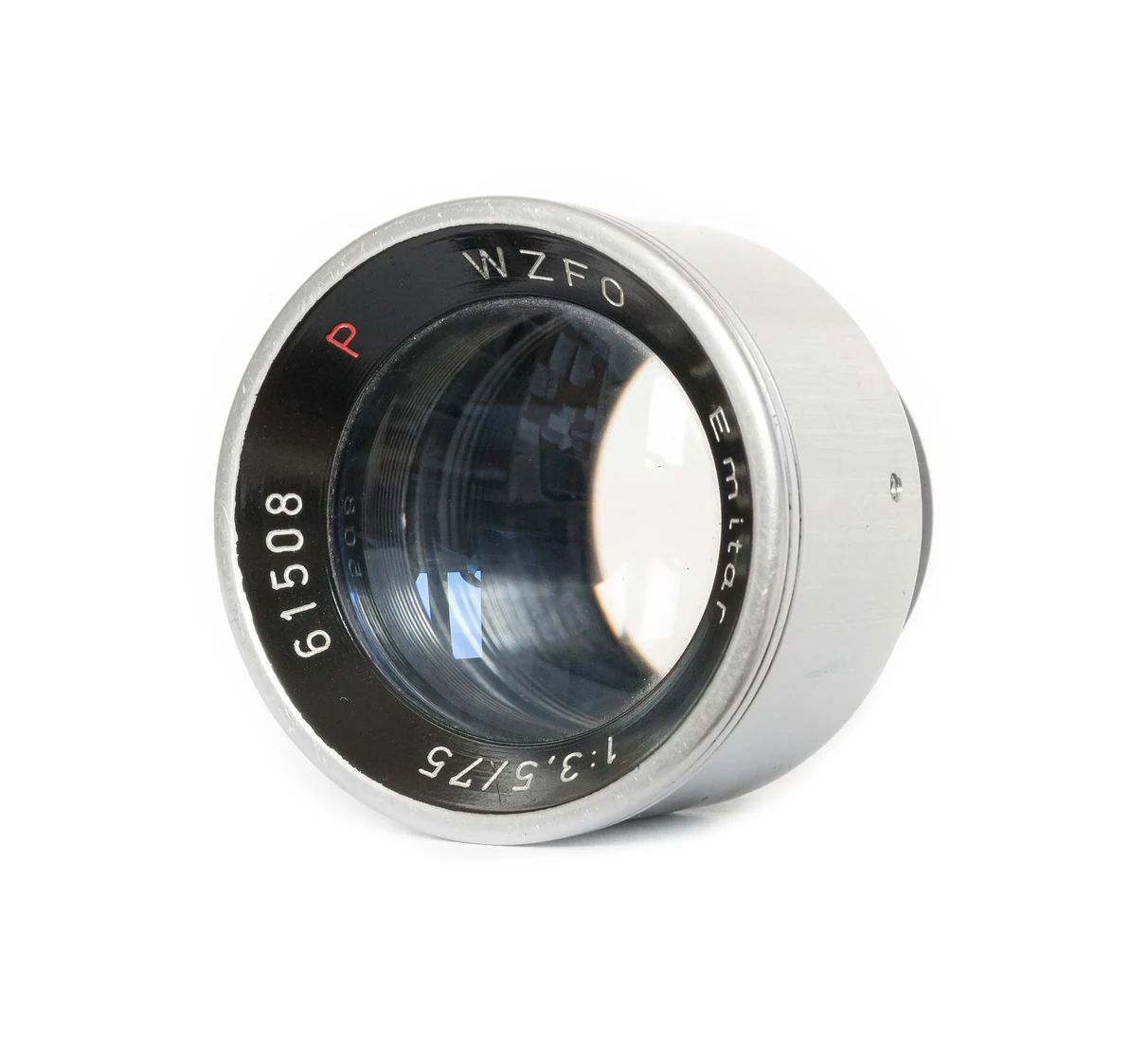
A calibration record describes a particular image-forming arrangement, not every camera carrying the same brand. Record body identity, lens identity, focal-length setting, focus procedure, and the image dimensions actually delivered for processing. A fixed-focal-length lens removes one variable but does not make the complete optical system immutable. Keep configuration photographs where they clarify the arrangement and distinguish physical equipment identity from a generic model name in the project folder.
Record correction decisions
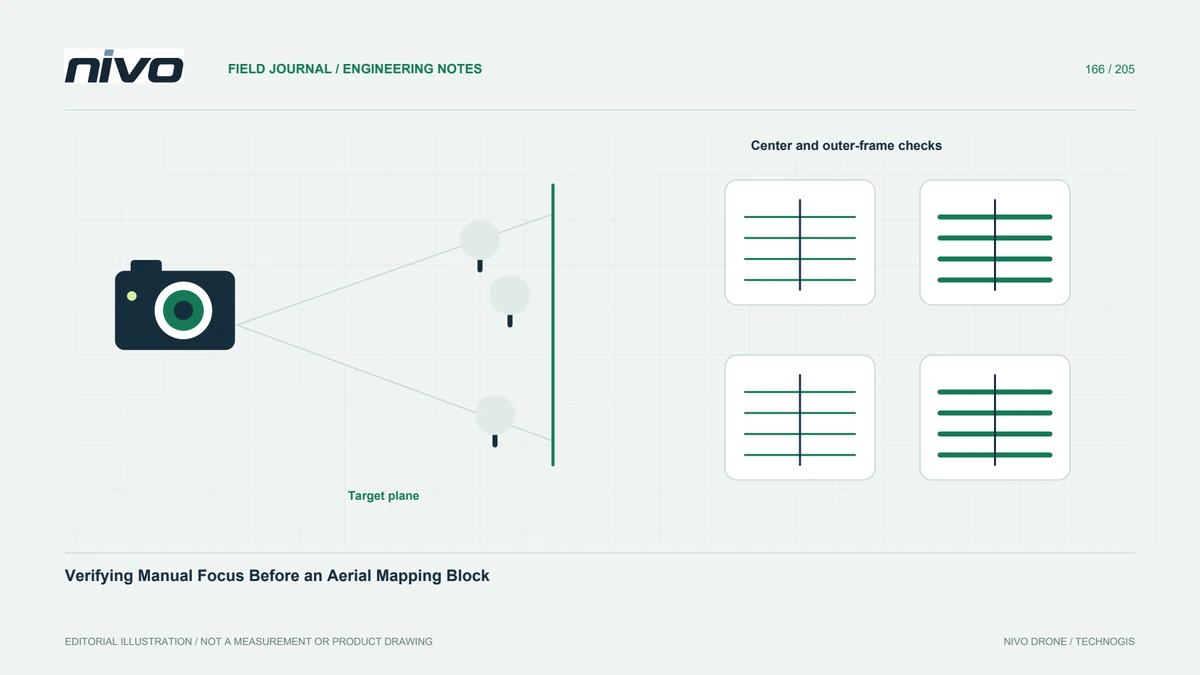
In-camera or conversion-stage lens corrections can influence the images supplied to reconstruction. Sony guidance distinguishes shading, chromatic, and distortion compensation on supported combinations; availability depends on the equipment. Determine which settings applied to the actual files, rather than copying menu instructions from another model. The processor needs to know whether the geometry has already been transformed. An undocumented correction can make an old calibration record difficult to interpret correctly.
Choose a defensible calibration workflow
Use the selected photogrammetry software's documented method and confirm what calibration parameters it estimates or accepts. A saved parameter file is not independent proof of accuracy. Plan suitable image geometry and checks for the intended project. Distinguish a laboratory or separate calibration exercise from parameters estimated during reconstruction. State which approach was used and why it fits the application, without implying that a particular software button validates the whole survey.
Investigate parameter changes
Compare new results with the prior accepted configuration, while recognizing that different image networks can estimate parameters differently. A change is a prompt for investigation, not immediate evidence of lens damage. Review focus, dimensions, correction settings, acquisition geometry, and equipment history. Avoid forcing every project to match an old number solely for visual consistency. Retain the reasoning behind accepting or rejecting an updated model so another analyst can reproduce the decision.
Link calibration to independent checks
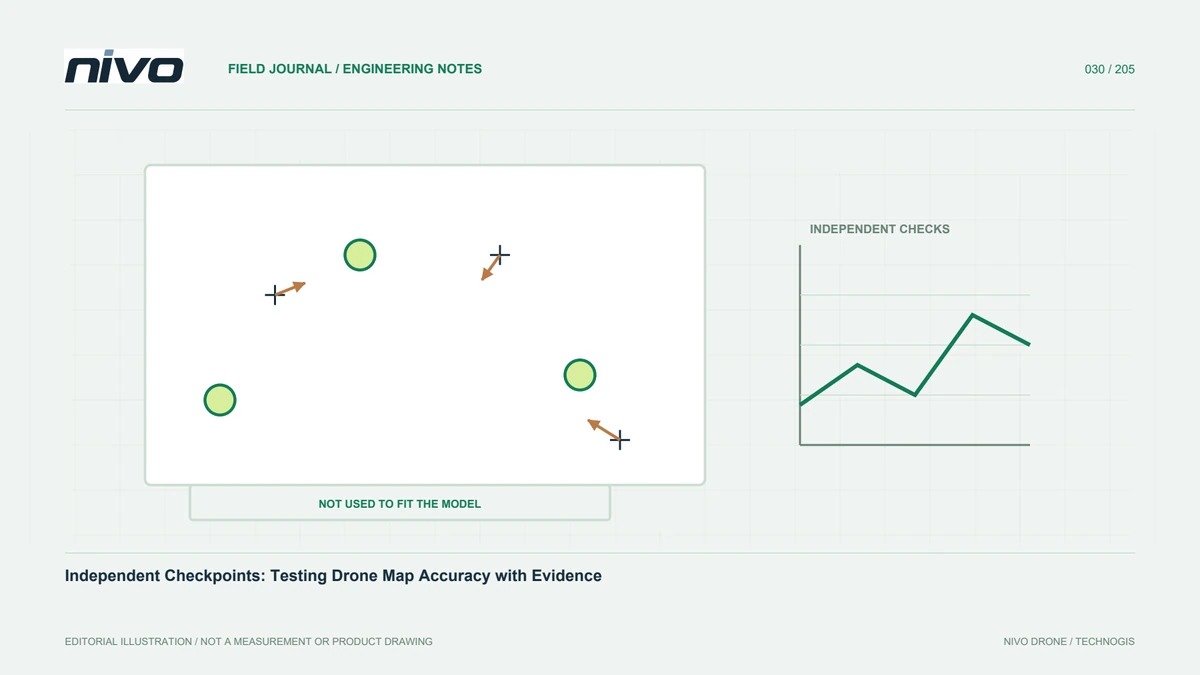
Evaluate the resulting map using suitable independent evidence and the project's reference requirements. A low internal adjustment residual does not by itself establish external accuracy. Inspect spatial patterns in discrepancies rather than only an overall summary. If problems occur near block edges or in weakly connected areas, consider acquisition geometry alongside the camera model. Keep check results linked to the specific calibration version and image set that produced the tested deliverable.
Define when reuse needs review
Document which changes require reassessment, including lens replacement, altered processing dimensions, or a different correction path. Follow equipment guidance after incidents affecting the camera. Reuse should be an explained technical decision, not an automatic consequence of finding an old file. During NiVO payload consultation, request a configuration record and a practical verification plan. The useful outcome is a traceable camera model with stated applicability, rather than a permanent accuracy guarantee attached to a lens name.